Stabbed in the Back
Germany’s generals demanded a ceasefire, then told the country the army had been stabbed in the back at home, a myth the Nazis rode to power. In 2020 the same move was called Stop the Steal, and it ended at the Capitol.
The Graphics
Swipe through the slides as they appear on Instagram and Facebook. Tap any slide to open it full size.
The Carousel
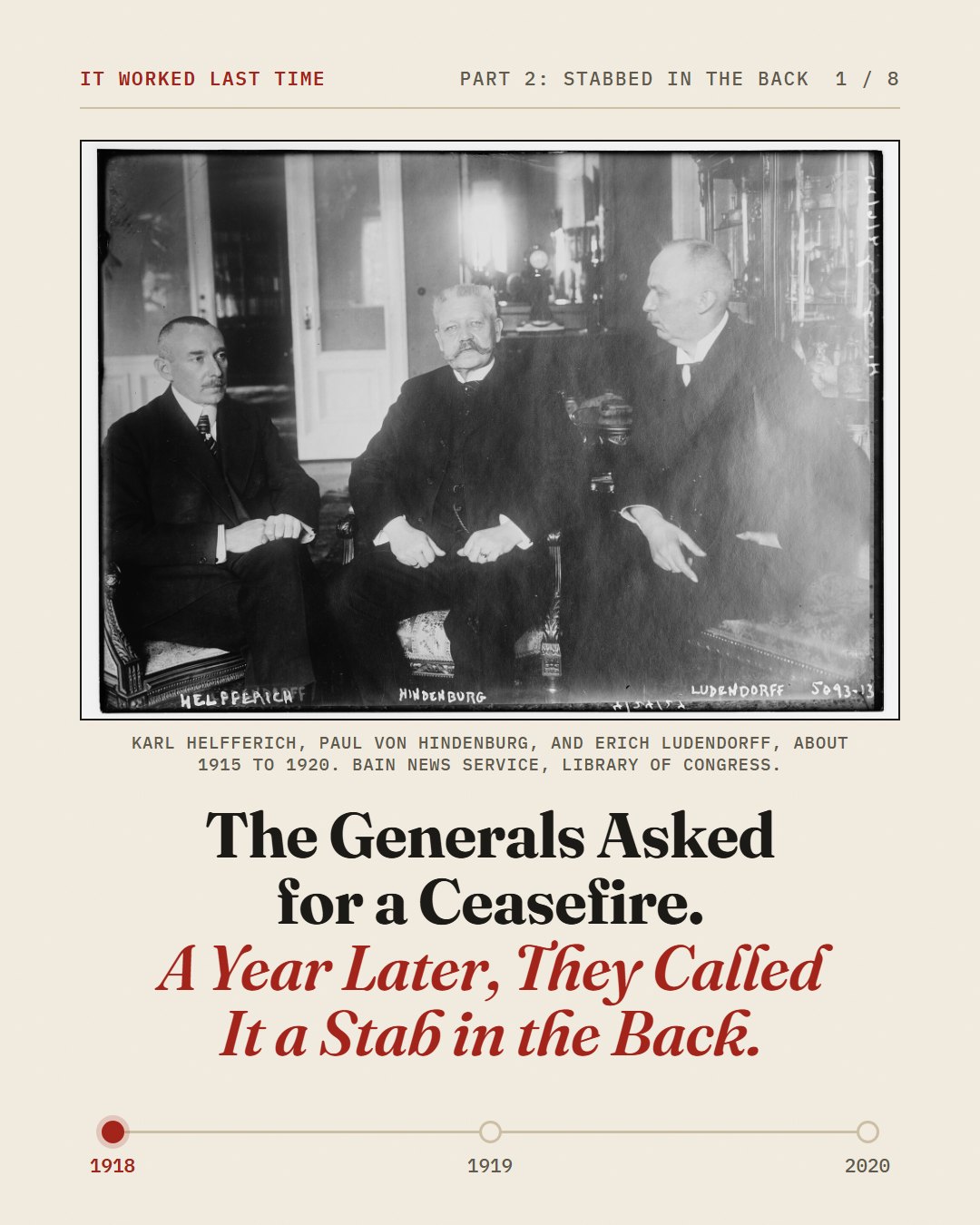
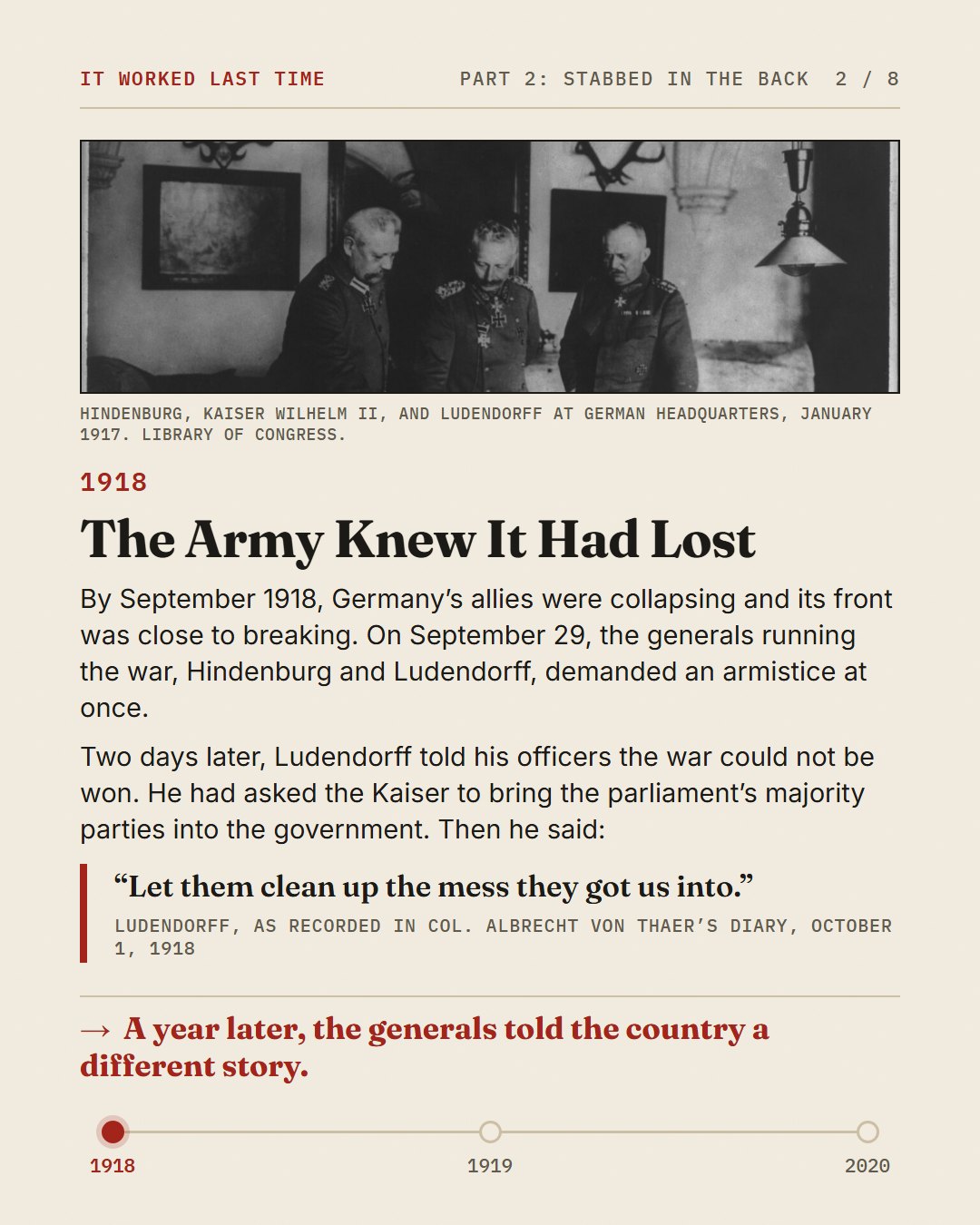
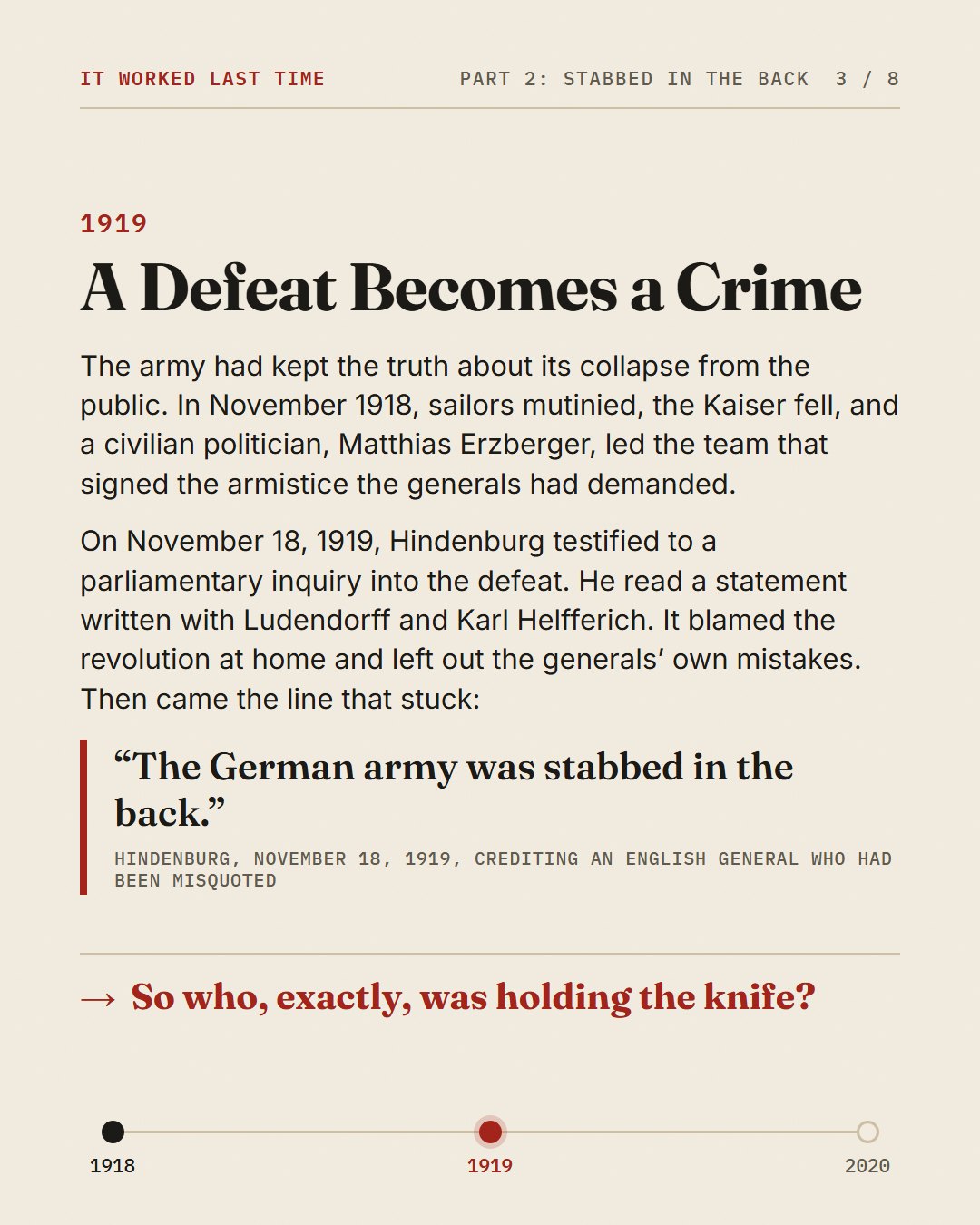
October 1, 1918: The Army Admits Defeat
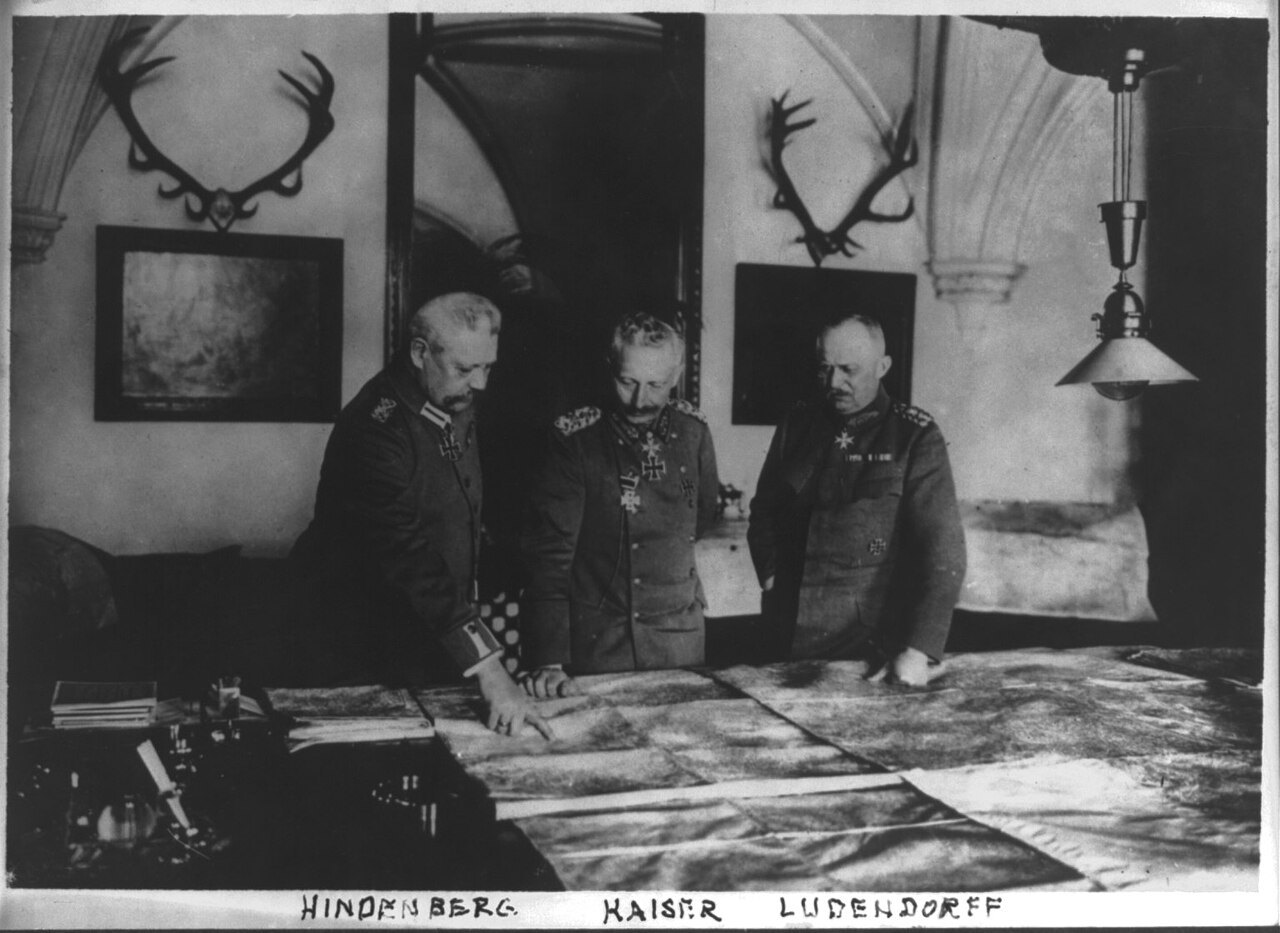
On October 1, 1918, General Erich Ludendorff walked into a room of senior officers at German army headquarters. One of them, Colonel Albrecht von Thaer, recorded the scene in his diary. Ludendorff, pale but with his head held high, told them the army was at an end, the war could no longer be won, and total defeat could probably no longer be avoided1.
Germany’s ally Bulgaria had just quit the war, and a breakthrough on the western front could come any day1. On September 29, at a meeting of Germany’s leaders with the Kaiser, the high command had demanded that the government ask for an armistice at once3. Ludendorff said he and Field Marshal Paul von Hindenburg had made that demand together. Most of the officers, Thaer wrote, had tears running down their faces1.
Then Ludendorff said something else. He had asked the Kaiser to bring the people he blamed for the situation into the government, so that they would sign the coming peace. “Let them clean up the mess they got us into,” he said, in Thaer’s record1. In the words of the German Historical Institute’s editors, bringing the parliament’s majority parties into the government would let Ludendorff “shift the responsibility for an armistice onto them”2.
There was real trouble at home. Munitions workers struck in 1918, and Ludendorff complained that socialist ideas had spread through the ranks51. But the army asked to stop on its own initiative, and it was in a hurry. “The army cannot wait another 48 hours,” Ludendorff said on October 1, and Hindenburg repeated the demand in writing on October 32.
The request went out that night2. In early November, sailors mutinied at Kiel and revolution spread6. The Kaiser abdicated, and a republic was declared. On November 11, a civilian politician, Matthias Erzberger, led the German delegation that signed the armistice at Compiègne7. Neither Hindenburg nor Ludendorff signed it.
1919: The Phrase
Most Germans had not been told how bad things were. The military had kept the truth about the collapse from the public, and many did not want to believe the army had been beaten6. A story moved into that gap.
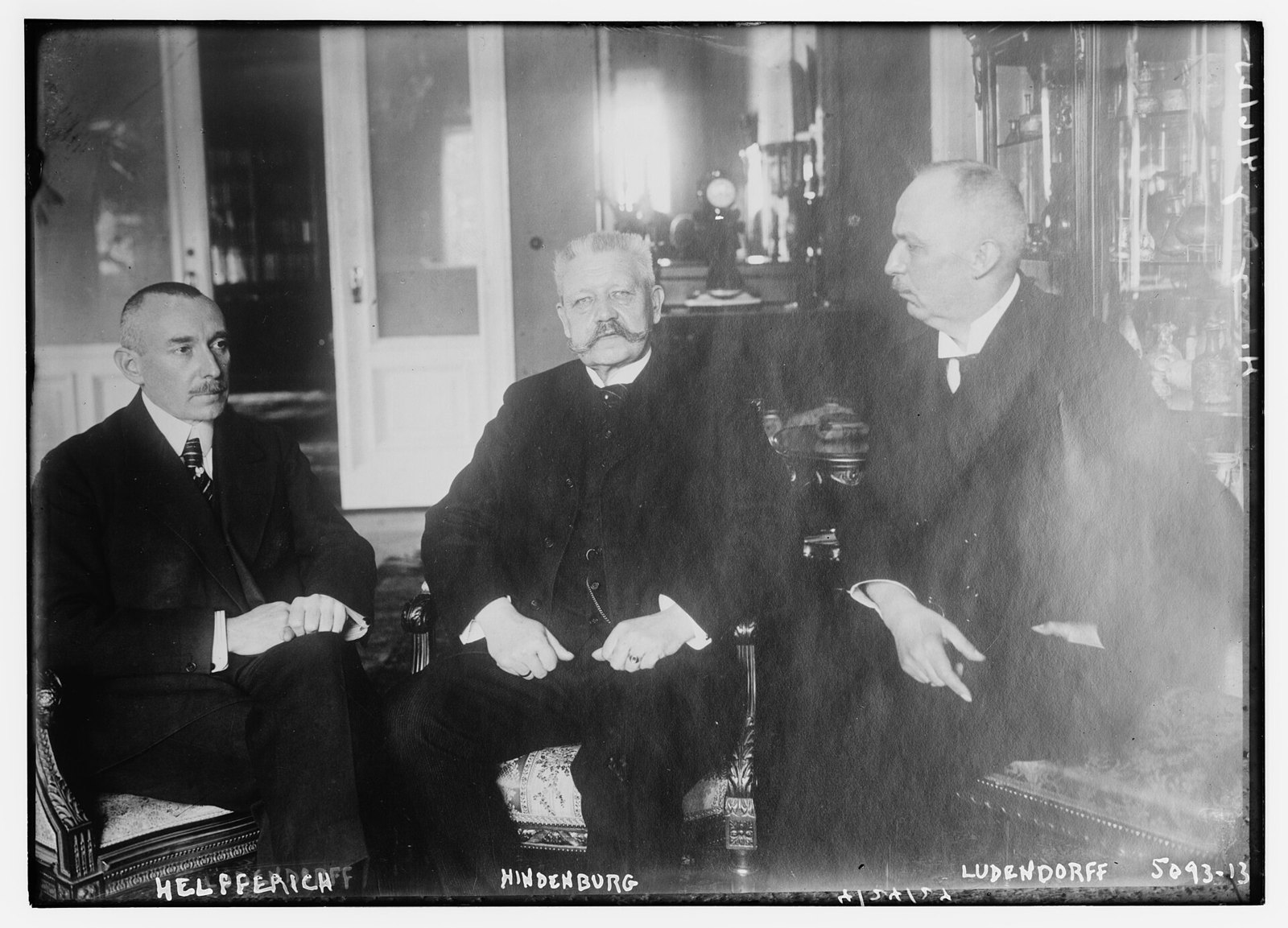
The new republic’s National Assembly set up a committee to investigate the defeat. On November 18, 1919, Hindenburg read it a declaration he had written with Ludendorff and Karl Helfferich, a former vice chancellor47. It blamed a secret campaign to weaken the fleet and the army from within, and it said the revolution had only completed the collapse4. Then came the line that outlived him: “An English general said with justice: ‘The German army was stabbed in the back’”4.
The English general had been misquoted: a Swiss newspaper twisted articles by Britain’s Frederick Maurice in December 19184. And the declaration said nothing about the blunders of the empire’s leaders or its high command4.
Read literally, the phrase says the army was never beaten from the front. It was knifed from behind by people on its own side. What it was used to mean was that the defeat was a crime, and the criminals were at home: socialists and strikers, the parties that now ran the republic, and, more and more through the 1920s, Jews56.
It worked because it handed out roles. Soldiers and their families could keep their pride, since in this story their sacrifice had been stolen, not lost. The generals could walk away from a defeat they had admitted in private. The blame landed on the civilians who had carried out the generals’ own request. Many Germans came to believe that the republic and the peace treaty were illegitimate6.
Who Held the Knife, and Who Paid

The phrase named no one, so its users supplied the names. Nationalists branded Erzberger a “November criminal” and a traitor to the people. Helfferich published a pamphlet called “Away With Erzberger” and was fined for defamation, though the 1920 trial damaged Erzberger enough that he resigned as finance minister7. In August 1921, two former naval officers shot Erzberger dead in the Black Forest7. In June 1922, two young officers from a nationalist group called the Organisation Consul shot Foreign Minister Walther Rathenau, the son of a Jewish industrialist8.
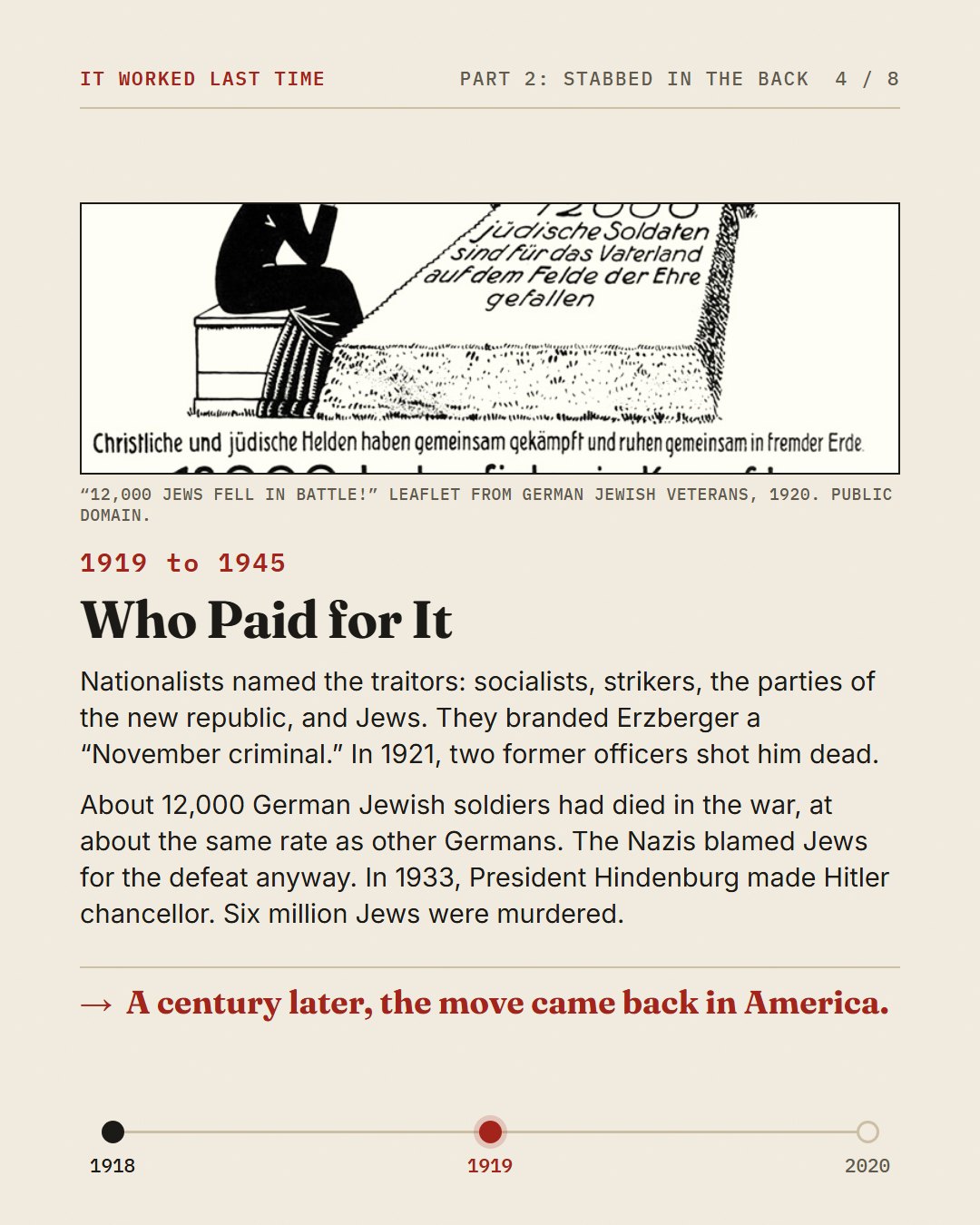
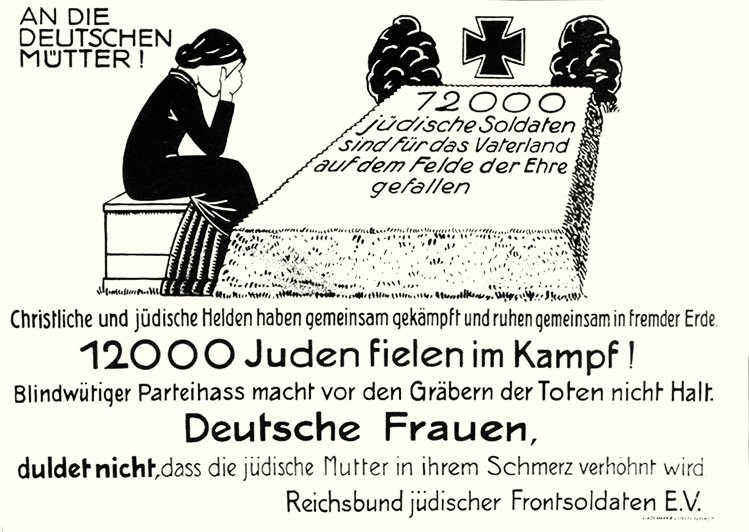
Jewish Germans had been singled out before the war ended. In October 1916, the Prussian war minister ordered a count of Jewish soldiers, and the results went unpublished, which fed the prejudice9. Reliable figures published in the early 1920s showed that Jews had fought and died at the front in virtually the same proportion as other Germans; about 12,000 were killed9. Jewish veterans answered with leaflets addressed to German mothers. It did not stop the myth10.
The Nazi Party built the myth into its message. It used the stab-in-the-back story to attack the republic and to target socialists, communists, and Jews6, and it blamed Jews in particular for Germany’s defeat10. Not even the myth’s loudest promoters were safe. Nikolaus Cossmann, the Munich publisher whose magazine ran the famous stab-in-the-back issues of 1924, was of Jewish descent. He was deported to Theresienstadt in 1942 and died there5.
On January 30, 1933, President Hindenburg, the man who had given the phrase its authority, appointed Adolf Hitler chancellor of Germany11. By the end of the Holocaust, the Nazi regime and its allies and collaborators had murdered six million European Jews10. The stab in the back did not cause all of that by itself. It did give millions of Germans a story in which their defeat was a crime committed by their neighbors, and it told them which neighbors610.
2020: Stop the Steal
The idea crossed the Atlantic in milder forms. In 1980, Ronald Reagan told veterans that young men would never again be asked to fight “a war our government is afraid to let them win”12. That version moved the blame for a lost war from the battlefield to leaders at home.
The full version came back in 2020, and it attached to a real worry: a pandemic election. Democrats were much more likely than Republicans to vote by mail, and in key states mail ballots were mostly counted after in-person votes, sometimes over days13. So the early count favored Trump and the later count favored Biden, especially in Democratic cities13. Experts called this the “red mirage” before Election Day13.
Trump’s circle planned for it. On October 31, 2020, adviser Steve Bannon told associates, in a recording later quoted by the January 6 Committee: “He’s gonna declare victory. But that doesn’t mean he’s the winner. He’s just gonna say he’s a winner”13.
Two days after the election, Trump said from the White House: “If you count the legal votes, I easily win. If you count the illegal votes, they can try to steal the election from us”19. The slogan was older. Roger Stone coined “Stop the Steal” in 2016, and on November 10, 2020, the activist Ali Alexander incorporated it as an organization15.
Read literally, “Stop the Steal” describes a theft in progress. It was used to mean that the loss was a crime committed by insiders, the people who counted the votes. The late ballots were real and were reported openly13. Like the stab in the back, the slogan turned a defeat into a crime with a culprit at home.
Supporters paid for it. The Trump campaign and the Republican National Committee raised more than $250 million after the election, much of it from small donors who were promised their money would “Stop the Steal.” The January 6 Committee found that most of it was not used for that17.
On November 12, election security officials, in a statement released by Trump’s own Cybersecurity and Infrastructure Security Agency, called the election “the most secure in American history” and said there was “no evidence that any voting system deleted or lost votes, changed votes, or was in any way compromised”20. On December 1, Attorney General William Barr told the Associated Press: “To date, we have not seen fraud on a scale that could have affected a different outcome in the election”21.
Trump and his allies filed 62 lawsuits and won one, which affected few votes and proved no fraud13. In the Pennsylvania appeal, Judge Stephanos Bibas, a Trump appointee, wrote that “calling an election unfair does not make it so. Charges require specific allegations and then proof. We have neither here”2223. The base rate was tiny: an Associated Press review of every potential fraud case in the six disputed swing states found fewer than 475, out of 25.5 million ballots cast for president, or 0.15 percent of Biden’s margin there24.
Why the Cities, and Two Women in Atlanta

The stolen-vote claims did not land evenly. They focused on Atlanta, Detroit, Philadelphia, and Milwaukee. Biden’s wins in Georgia, Michigan, Pennsylvania, and Wisconsin were powered in part by Black voters, many of them concentrated in those cities27. They were also where the biggest late batches of mail ballots came from13.
Trump pointed at them by name, calling Detroit and Philadelphia “two of the most corrupt political places anywhere in our country” and complaining that results had been “withheld from major Democrat-run locations, only to appear later”19. An affidavit in a Michigan lawsuit claimed 139 percent turnout in Detroit; actual turnout was about 51 percent13.
When the campaign paid $3 million for a partial recount in Wisconsin, it chose only Milwaukee and Dane counties25, which include most of the state’s Black population27. Biden gained 87 votes25. In Wayne County, Michigan, the canvassing board first deadlocked along party lines. Its chair, Monica Palmer, cited out-of-balance precincts and suggested certifying the results without Detroit, the largest Black-majority city in America. Officials noted that mostly white suburbs such as Livonia had similar discrepancies. The board certified the full results28.
The vote inside those cities did not match the story. By mid-November counts, Biden had about 1,000 fewer votes in Detroit than Hillary Clinton got in 2016, while Trump had gained nearly 5,000; in Philadelphia, Trump was up more than 20,000. Biden won by gaining in the suburbs26. The record cannot show what was in anyone’s mind. It does show where the claims pointed: at the cities where those states’ Black voters were concentrated, and at the people who counted their ballots2713.
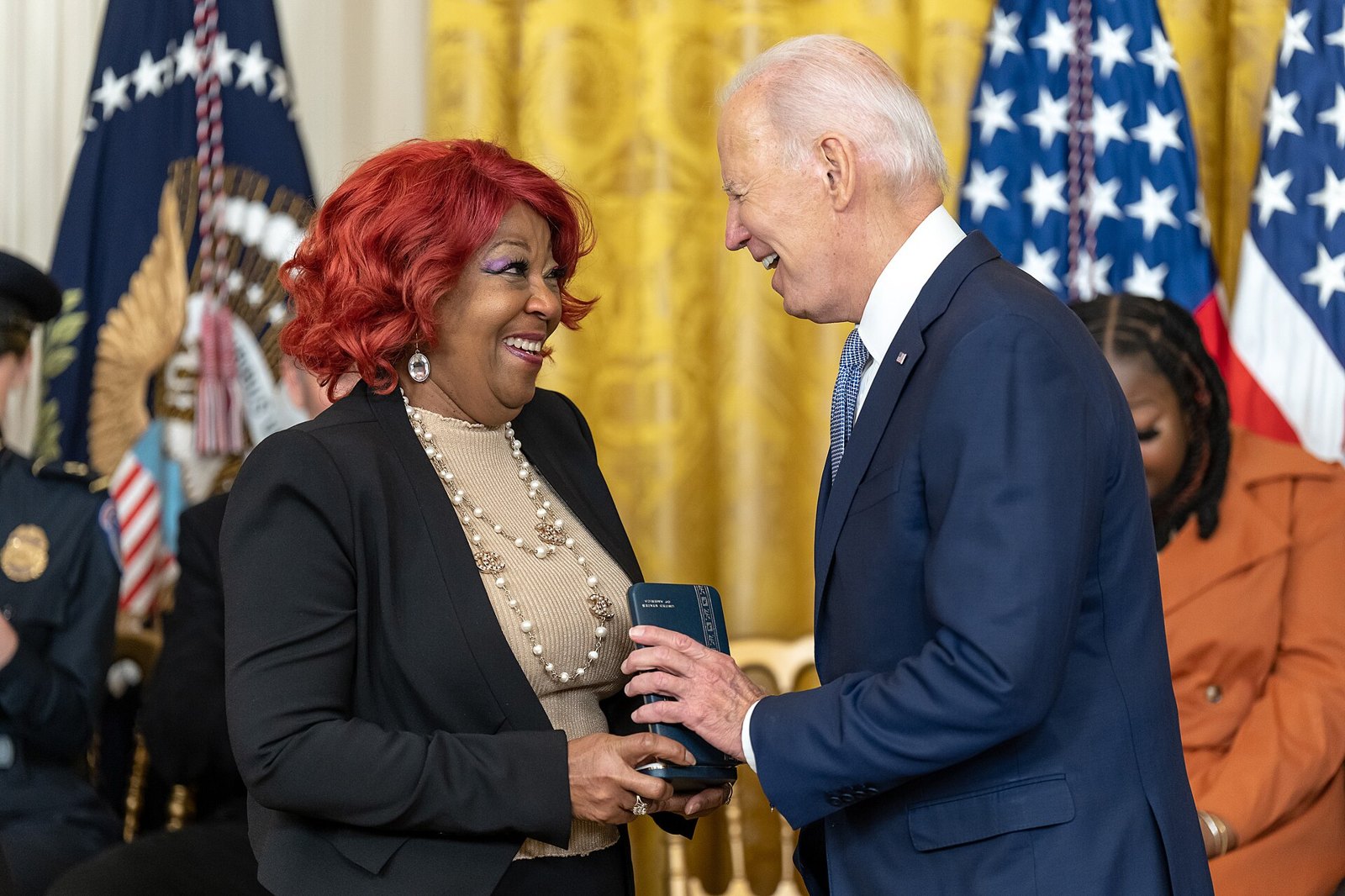
Two of those people were Ruby Freeman and her daughter, Shaye Moss, Black election workers in Fulton County, Georgia. At a Georgia legislative hearing in December 2020, Giuliani accused them of “surreptitiously passing around USB ports as if they’re vials of heroin or cocaine”1314. Moss later told Congress what her mother had handed her: “A ginger mint”29. The FBI, the Justice Department, and the Georgia Bureau of Investigation reviewed the full footage, and a hand recount confirmed that the ballots in the video were not counted twice13.
Trump mentioned Freeman by name 18 times in his January 2, 2021, call with Georgia’s secretary of state14. Hundreds of threats followed16. Moss testified that the messages wished death on her and said things like “Be glad it’s 2020 and not 1920”29. On the FBI’s advice, Freeman left her home for months14. “There is nowhere I feel safe. Nowhere,” she testified. “Do you know how it feels to have the President of the United States to target you?”29
The women sued Giuliani. In July 2023, he signed a stipulation that, for the purposes of the case, he did not contest that his factual statements about them were false30. On December 15, 2023, a jury awarded Freeman and Moss $148,169,00031. The court’s final judgment declared the statements false, defamatory, and made with actual malice32.
The Receipt

The clearest evidence of what the sellers believed came out of a lawsuit. Dominion Voting Systems, whose machines were accused on Fox of rigging the election, sued the network, and filings made public in February 2023 showed what Fox’s stars said in private3634.
On November 16, 2020, Tucker Carlson texted a producer that “Sidney Powell is lying,” referring to the Trump lawyer pushing the voting machine claims34. Laura Ingraham told Carlson that Powell was “a complete nut. No one will work with her. Ditto with Rudy”34. Sean Hannity said in a deposition: “that whole narrative that Sidney was pushing, I did not believe it for one second”34.
Under oath, Fox chairman Rupert Murdoch was asked whether some Fox commentators had endorsed the false stolen-election claims. “Yes. They endorsed,” he answered. Asked whether he could have kept Powell and Giuliani off the air, he said: “I could have. But I didn’t”35.
On March 31, 2023, Judge Eric Davis ruled that the evidence made it “CRYSTAL clear that none of the Statements relating to Dominion about the 2020 election are true”36. On April 18, with a jury already chosen, Fox settled for $787.5 million37.
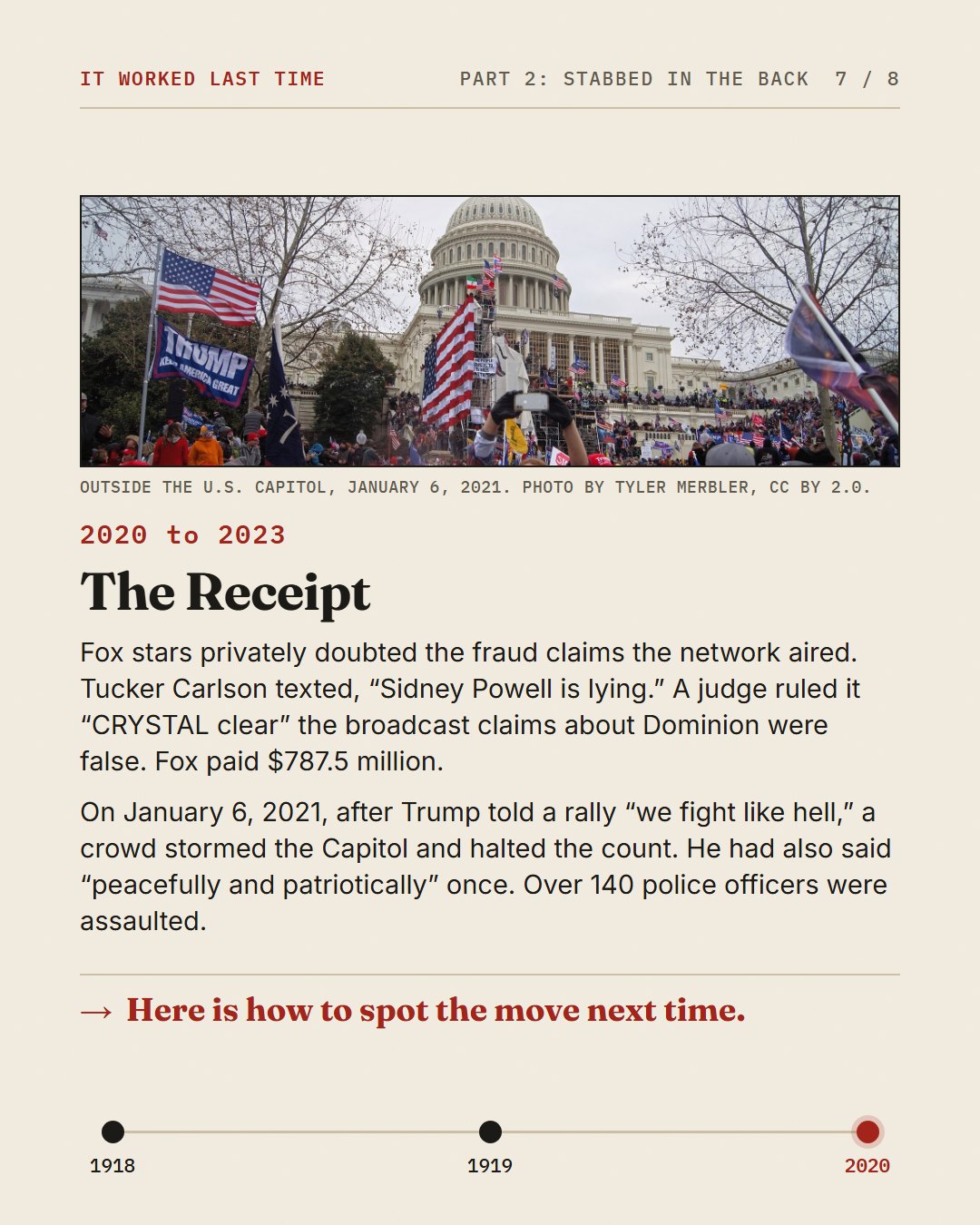
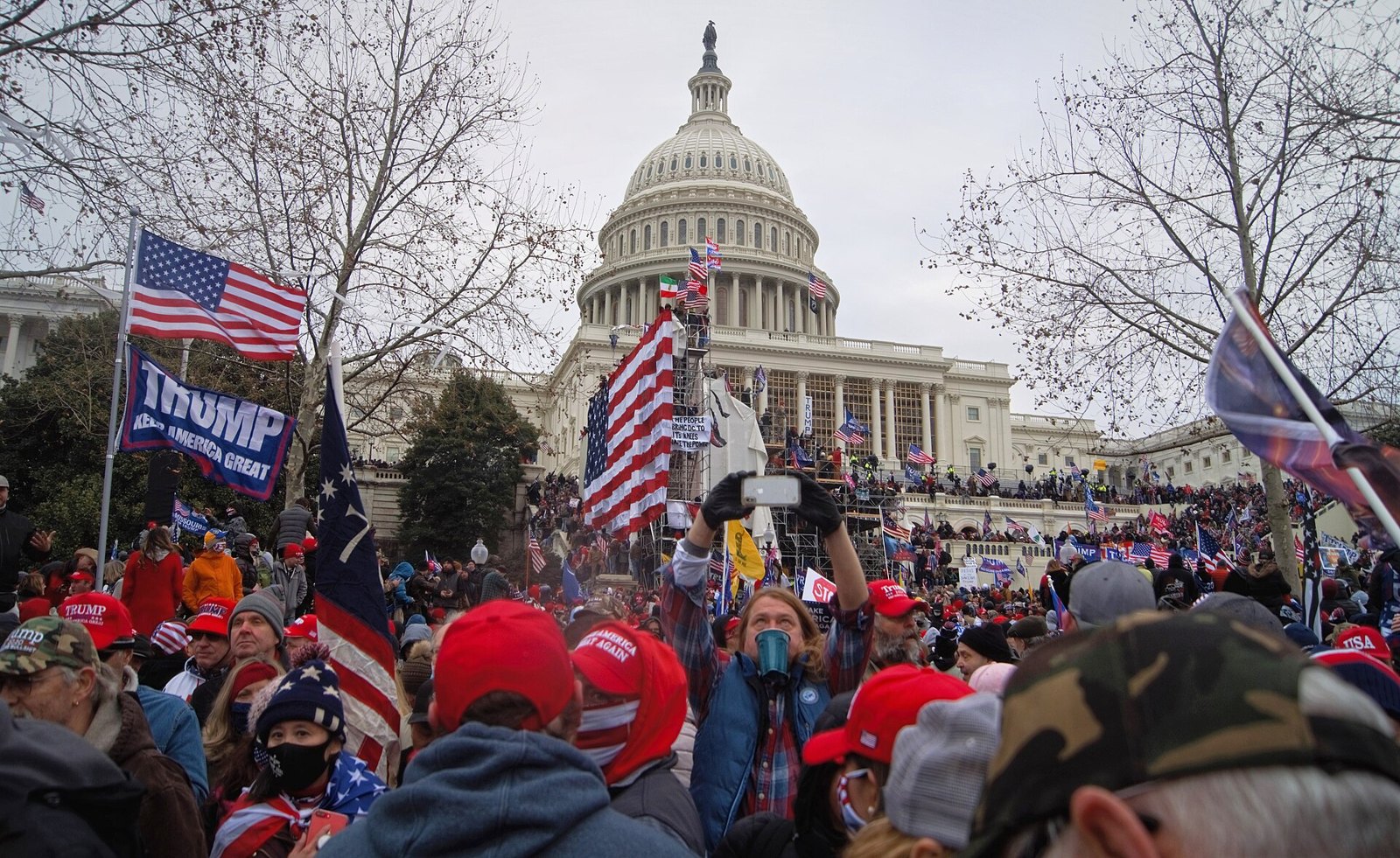
On January 6, 2021, as Congress met to count the electoral votes, Trump spoke at a rally near the White House. He used the phrase “peacefully and patriotically” once18. He also said: “We fight like hell. And if you don’t fight like hell, you’re not going to have a country anymore”16. The crowd broke into the Capitol and halted the count. Rioter Ashli Babbitt was fatally shot trying to reach the House chamber16. More than 140 police officers were assaulted38.
The Justice Department charged about 1,583 people. About 1,009 pleaded guilty, and 221 were found guilty at trial, 10 of them of seditious conspiracy38.
The Pattern
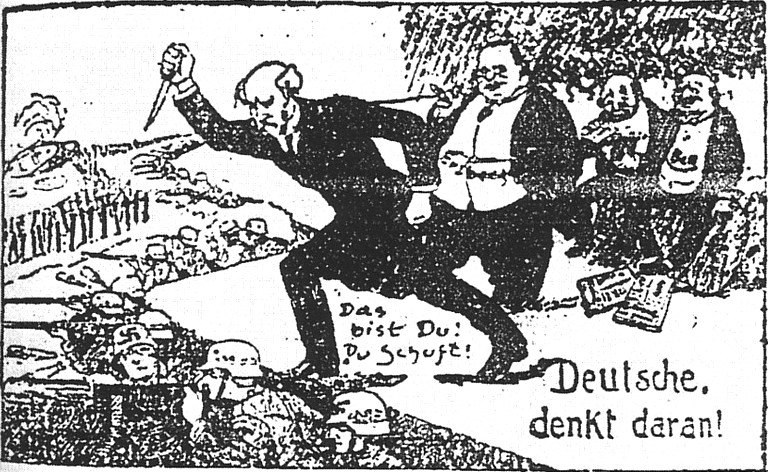

Set the two stories side by side and the steps match. First, the people at the top know the truth in private. Ludendorff told his officers the war was lost. Fox’s stars told each other that Sidney Powell was lying134.
Next, the loss is denied in public. The army was never beaten; the election was really won. Then an enemy inside the house is named as the reason: socialists, strikers, and Jews after 1918, election workers in Democratic cities in 2020.
The phrase does the accusing. “Stabbed in the back” and “Stop the Steal” both describe a crime, so anyone who repeats them is already charging someone. And the people who pay are almost never the ones who lost. They are the ones who did the plain work the loss required: the civilian who signed the armistice, and the mother and daughter who counted the ballots729.
The Rerun
On January 20, 2025, his first day back in office, President Trump signed Proclamation 10887. It commuted the sentences of 14 people convicted over January 6 and granted “a full, complete and unconditional pardon” to everyone else convicted of offenses related to that day39. It also directed the attorney general to seek dismissal of all pending cases39.
Its opening sentence reads: “This proclamation ends a grave national injustice that has been perpetrated upon the American people over the last four years and begins a process of national reconciliation”39. The proclamation does not mention the police39.
The record it set aside: about 608 people had been charged with assaulting, resisting, or impeding officers, about 174 of them with using a deadly or dangerous weapon or causing serious bodily injury to an officer. About 1,009 had pleaded guilty, and 221 had been convicted at trial38. In the proclamation, pardoning those convictions is what ends the injustice. Neither it nor the record states anyone’s intent.
Their Defense
Hindenburg’s defense was in his statement: the war had brought “a series of brilliant, unsurpassed successes,” and no guilt applied to “the good core of the army”4. Ludendorff blamed socialist ideas in the ranks1. Both described something real: there were strikes, and sailors did mutiny56. What they left out was the order of events. The army demanded the armistice on September 29; the sailors mutinied on November 336.
Trump’s stated purpose, on November 5, was “to defend the integrity of the election”19. On January 6 he used the words “peacefully and patriotically” once18. The January 6 Committee answered that even a genuine belief that the election was stolen would be no defense for ignoring the courts16.
Fox said Dominion’s filing used “cherry-picked quotes stripped of key context,” and argued that the president’s allegations were news: “The very fact of those allegations was newsworthy”34. Judge Davis ruled before trial that Fox could not rely on those arguments37. When it settled, Fox said: “We acknowledge the court’s rulings finding certain claims about Dominion to be false”37.
Giuliani kept his argument that his words were “constitutionally protected statements or opinions”30. After the verdict he said: “The absurdity of the number merely underscores the absurdity of the entire proceeding where I’ve not been allowed to offer one single piece of evidence in defense”33. The court had ruled against him on liability as a sanction for failing to hand over evidence32. The proclamation spoke of “national reconciliation”39.
How Not to Fall for It
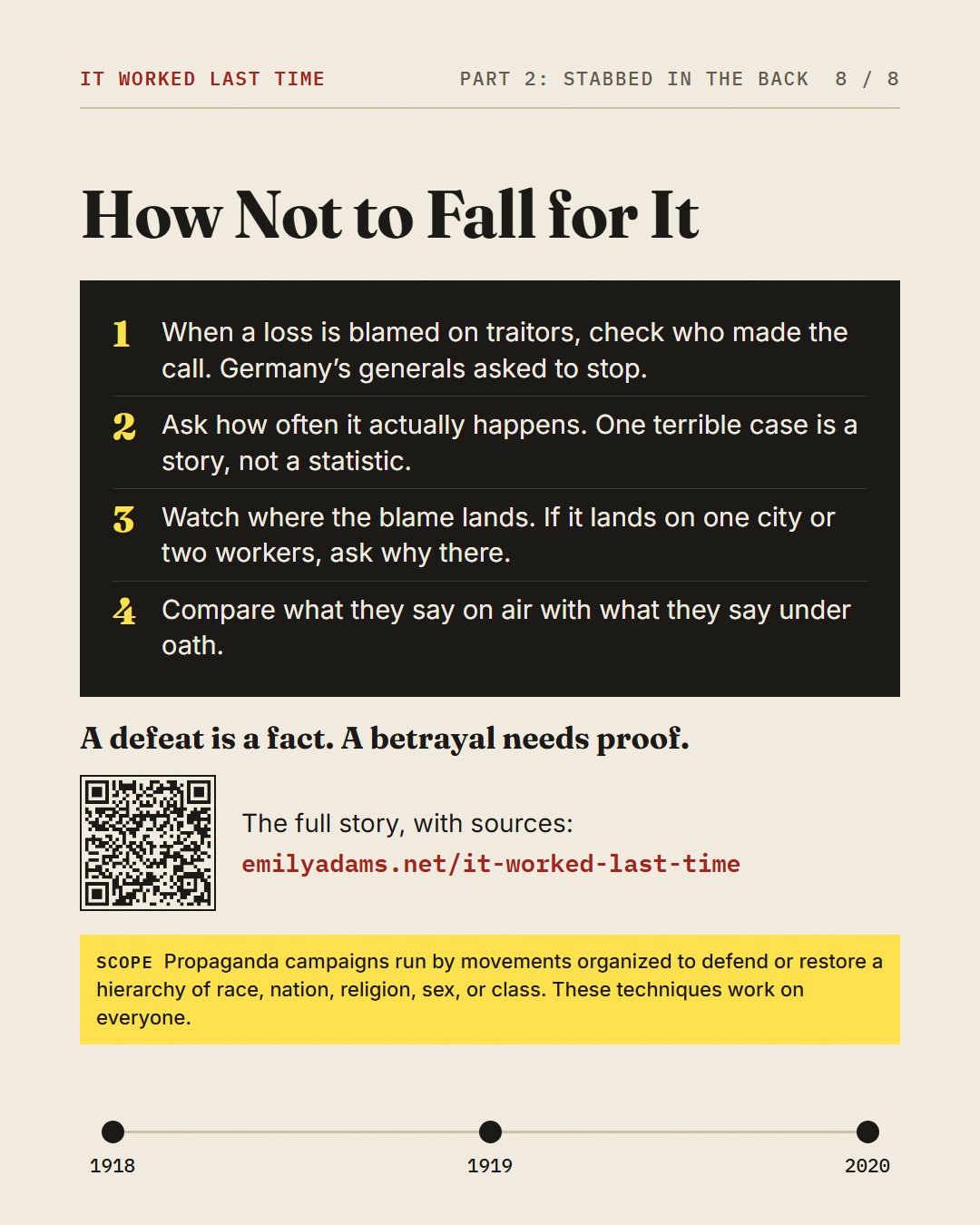
Find out who made the call. When a loss is blamed on traitors, check the record. Germany’s generals demanded the ceasefire themselves, then named who should take the blame two days later1.
Ask how often it actually happens. One terrible case is a story, not a statistic. One misread clip became a national scandal; the AP found fewer than 475 possible fraud cases among 25.5 million ballots24.
Watch where the blame lands. If it lands on one city, one group, or two named workers, ask why there, and whether the places next door had the same problem28.
Compare what they say on air with what they say under oath. Ludendorff’s officers and Fox’s own stars heard the truth before the public did134.
A defeat is a fact. A betrayal needs proof.
Propaganda campaigns run by movements organized to defend or restore a hierarchy of race, nation, religion, sex, or class. These techniques work on everyone.
Sources
- 1Erich Ludendorff Admits Defeat: Diary Entry by Albrecht von Thaer (October 1, 1918). German History in Documents and Images (German Historical Institute); trans. Jeffrey Verhey. 1918-10-01. germanhistorydocs.org/en/wilhelmine-germany-and-the-first-world-war-18
- 2Arnold Brecht on the Final Weeks of the War (Retrospective Account, 1966). German History in Documents and Images (German Historical Institute). 1966. germanhistorydocs.org/en/weimar-germany-1918-1933/ghdi:document-3820
- 3Spa Conference (29 September 1918). Wikipedia (citing Renouvin 1934, Fischer 1970, and others). 1918-09-29. en.wikipedia.org/wiki/Spa_Conference_(29_September_1918)
- 4Paul von Hindenburg's Testimony before the Parliamentary Investigatory Committee ("The Stab in the Back"). German History in Documents and Images; translation from The Weimar Republic Sourcebook (University of California Press, 1994). 1919-11-18. germanhistorydocs.org/en/weimar-germany-1918-1933/ghdi:document-3829
- 5The Stab in the Back (April 1924). German History in Documents and Images. 1924-04. germanhistorydocs.org/en/weimar-germany-1918-1933/the-stab-in-the-back
- 6Hindenburg Spreads "Stab-in-the-Back" Myth. United States Holocaust Memorial Museum, Holocaust Encyclopedia. 1919-11-18. encyclopedia.ushmm.org/content/en/timeline-event/holocaust/before-1933
- 7Matthias Erzberger, 1875 to 1921 (biography). Deutsches Historisches Museum, LeMO. dhm.de/lemo/biografie/matthias-erzberger
- 8Walther Rathenau, 1867 to 1922 (biography). Deutsches Historisches Museum, LeMO. dhm.de/lemo/biografie/walther-rathenau
- 912 of 12,000: Fallen German-Jewish Soldiers in the First World War. Jewish Museum Berlin. 2016. jmberlin.de/en/12-of-12000-introduction
- 10Introduction to the Holocaust. United States Holocaust Memorial Museum, Holocaust Encyclopedia. encyclopedia.ushmm.org/content/en/article/introduction-to-the-holocaus
- 11Hitler Comes to Power. United States Holocaust Memorial Museum, Holocaust Encyclopedia. encyclopedia.ushmm.org/content/en/article/hitler-comes-to-power
- 12Peace: Restoring the Margin of Safety (VFW Convention, Chicago). Ronald Reagan Presidential Library. 1980-08-18. reaganlibrary.gov/archives/speech/peace-restoring-margin-safety
- 13Final Report, Chapter 1: The Big Lie (pp. 195 to 258). House Select Committee to Investigate the January 6th Attack on the United States Capitol, H. Rept. 117-663. 2022-12-22. govinfo.gov/content/pkg/GPO-J6-REPORT/pdf/GPO-J6-REPORT.pdf
- 14Final Report, Chapter 2: "I Just Want to Find 11,780 Votes" (pp. 280 to 307). House Select Committee to Investigate the January 6th Attack on the United States Capitol. 2022-12-22. govinfo.gov/content/pkg/GPO-J6-REPORT/pdf/GPO-J6-REPORT.pdf
- 15Final Report, Chapter 6: "Be There, Will Be Wild!" (p. 502). House Select Committee to Investigate the January 6th Attack on the United States Capitol. 2022-12-22. govinfo.gov/content/pkg/GPO-J6-REPORT/pdf/GPO-J6-REPORT.pdf
- 16Final Report, Executive Summary (pp. 45 to 101). House Select Committee to Investigate the January 6th Attack on the United States Capitol. 2022-12-22. govinfo.gov/content/pkg/GPO-J6-REPORT/pdf/GPO-J6-REPORT.pdf
- 17Final Report, Appendix 3: The Big Rip-off (p. 770). House Select Committee to Investigate the January 6th Attack on the United States Capitol. 2022-12-22. govinfo.gov/content/pkg/GPO-J6-REPORT/pdf/GPO-J6-REPORT.pdf
- 18Final Report, Chapter 7 (p. 586). House Select Committee to Investigate the January 6th Attack on the United States Capitol. 2022-12-22. govinfo.gov/content/pkg/GPO-J6-REPORT/pdf/GPO-J6-REPORT.pdf
- 19Remarks on the Presidential Election (DCPD-202000836). Daily Compilation of Presidential Documents, GovInfo. 2020-11-05. govinfo.gov/content/pkg/DCPD-202000836/html/DCPD-202000836.htm
- 20Joint Statement from Elections Infrastructure Government Coordinating Council and the Election Infrastructure Sector Coordinating Executive Committees. Cybersecurity and Infrastructure Security Agency. 2020-11-12. cisa.gov/news-events/news/joint-statement-elections-infrastructure-gov
- 21Barr: No evidence of fraud that'd change election outcome. Associated Press (Michael Balsamo), via WHYY. 2020-12-01. whyy.org/articles/barr-no-evidence-of-fraud-thatd-change-election-outc
- 22Donald J. Trump for President, Inc. v. Secretary Commonwealth of Pennsylvania, No. 20-3371 (not precedential). U.S. Court of Appeals for the Third Circuit. 2020-11-27. www2.ca3.uscourts.gov/opinarch/203371np.pdf
- 23Bibas, Stephanos (judicial biography). Federal Judicial Center. fjc.gov/history/judges/bibas-stephanos
- 24Far too little vote fraud to tip 2020 election to Trump, AP review finds. Associated Press (Christina A. Cassidy), via FOX6. 2021-12-15. fox6now.com/news/far-too-little-vote-fraud-to-tip-2020-election-to-tru
- 25Biden Gains 87 Net Votes In Partial Wisconsin Recount Requested By Trump. NPR. 2020-11-28. npr.org/2020/11/28/939645865/biden-gains-votes-in-recount-of-milwaukee
- 26Trump's fraud accusations make no sense. The suburbs, not the cities, are why he lost. (analysis by Harry Enten). CNN. 2020-11-17. amp.cnn.com/cnn/2020/11/17/politics/trump-suburbs-analysis
- 27Trump election challenges sound alarm among voters of color. Associated Press, via WTTW. 2020-11-22. news.wttw.com/2020/11/22/trump-election-challenges-sound-alarm-among-v
- 28Facing Calls of Racism, Wayne County Canvassers Reverse Course, Approve Ballots. WDET 101.9 (Detroit public radio). 2020-11-18. wdet.org/?p=45960
- 29Hearings on the January 6th Investigation (June 21, 2022 hearing). U.S. House Select Committee, GovInfo CHRG-117hhrg50139. 2022-06-21. govinfo.gov/content/pkg/CHRG-117hhrg50139/html/CHRG-117hhrg50139.htm
- 30Freeman v. Giuliani, No. 1:21-cv-03354, ECF 84-2, Nolo Contendre Stipulation. U.S. District Court for the District of Columbia, via CourtListener. 2023-07-25. storage.courtlistener.com/recap/gov.uscourts.dcd.238720/gov.uscourts.d
- 31Freeman v. Giuliani, ECF 135, Verdict Form. U.S. District Court for the District of Columbia, via CourtListener. 2023-12-15. storage.courtlistener.com/recap/gov.uscourts.dcd.238720/gov.uscourts.d
- 32Freeman v. Giuliani, ECF 142, Final Judgment. U.S. District Court for the District of Columbia, via CourtListener. 2023-12-18. storage.courtlistener.com/recap/gov.uscourts.dcd.238720/gov.uscourts.d
- 33Rudy Giuliani hit with $148M verdict for defaming two Georgia election workers. NBC News. 2023-12-15. nbcnews.com/politics/politics-news/rudy-giuliani-hit-148m-verdict-defa
- 34Off camera, Fox hosts doubted 2020 election fraud claims. Associated Press (Randall Chase), via News4JAX. 2023-02-17. news4jax.com/business/2023/02/17/off-camera-fox-hosts-doubted-2020-ele
- 35Murdoch acknowledges some Fox hosts 'endorsed' false election claims. Associated Press, via PBS NewsHour. 2023-02-27. pbs.org/newshour/nation/murdoch-acknowledges-some-fox-hosts-endorsed-f
- 36US Dominion, Inc. v. Fox News Network, LLC, C.A. No. N21C-03-257 EMD, Memorandum Opinion on Summary Judgment. Superior Court of the State of Delaware. 2023-03-31. courts.delaware.gov/Opinions/Download.aspx?id=345820
- 37Fox settles Dominion defamation lawsuit for $787.5M, avoiding trial. Reuters, via KSL. 2023-04-18. ksl.com/article/50623721
- 3848 Months Since the Jan. 6 Attack on U.S. Capitol. U.S. Attorney's Office for the District of Columbia, U.S. Department of Justice. 2025-01-06. justice.gov/usao-dc/48-months-jan-6-attack-us-capitol
- 39Proclamation 10887: Granting Pardons and Commutation of Sentences for Certain Offenses Relating to the Events at or Near the United States Capitol on January 6, 2021. Federal Register, 90 FR 8331. 2025-01-20. govinfo.gov/content/pkg/FR-2025-01-29/html/2025-01950.htm
Image Credits
- Helfferich, & Hindenburg, & Ludendorff. Bain News Service. Between about 1915 and 1920. No known restrictions on publication (Library of Congress, Bain Collection); public domain, via Wikimedia Commons. Source
- General Paul von Hindenburg, Kaiser Wilhelm II, and General Erich Ludendorff standing at a table, examining large maps, at the German General Headquarters. Unknown photographer (Library of Congress, Prints and Photographs Division). January 1917. No known restrictions on publication in the U.S. (Library of Congress); public domain, via Wikimedia Commons. Source
- An die deutschen Mütter! (To German Mothers!), leaflet commemorating 12,000 fallen Jewish soldiers. Reichsbund jüdischer Frontsoldaten (Reich Federation of Jewish Front-Line Soldiers). 1920. Public domain (published before 1931), via Wikimedia Commons. Source
- Stab-in-the-back cartoon. Unknown artist. About 1924. Public domain (published before 1931), via Wikimedia Commons. Source
- President Joe Biden presents the Presidential Citizens Medal to Ruby Freeman. Adam Schultz, The White House. 2023-01-06. Public domain (official White House photograph, U.S. government work), via Wikimedia Commons. Source
- Outside the U.S. Capitol during the January 6, 2021 attack (DSC09254-2, retouched). Tyler Merbler. 2021-01-06. CC BY 2.0 (attribution: Tyler Merbler), via Wikimedia Commons. Source