What Theocracy Is
A government in which clergy, or officials regarded as divinely guided, hold power, and religious law shapes the legal system. Britannica defines it as government by divine guidance or by officials who are regarded as divinely guided. In many theocracies, it says, government leaders are members of the clergy and the state’s legal system is based on religious law (the definition).
Theocratic rule was typical of early civilizations, Britannica says, and the Enlightenment marked its end in most Western countries (the Western exit). It names three contemporary examples: Saudi Arabia, Iran and the Vatican.
Who Rules: Clergy, or Those Said to Be Divinely Guided
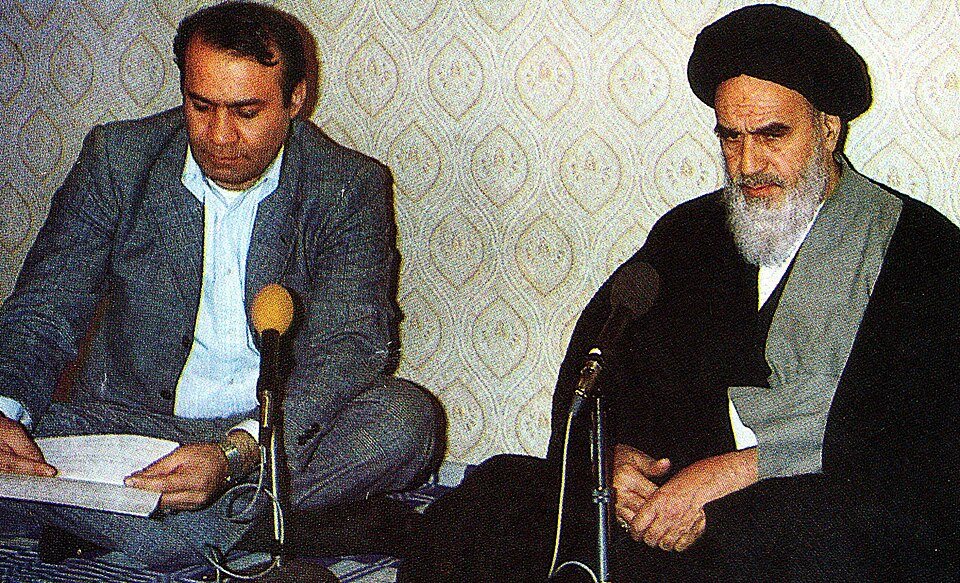
The Islamic Republic of Iran is the clearest working case. Freedom House says ultimate power rests with the supreme leader, who has no fixed term, commands the armed forces and appoints the head of the judiciary, the heads of state broadcast media and the Expediency Council (how the system is built). He also appoints six of the twelve members of the Guardian Council, which disqualifies candidates it deems insufficiently loyal to the clerical establishment (the vetting).
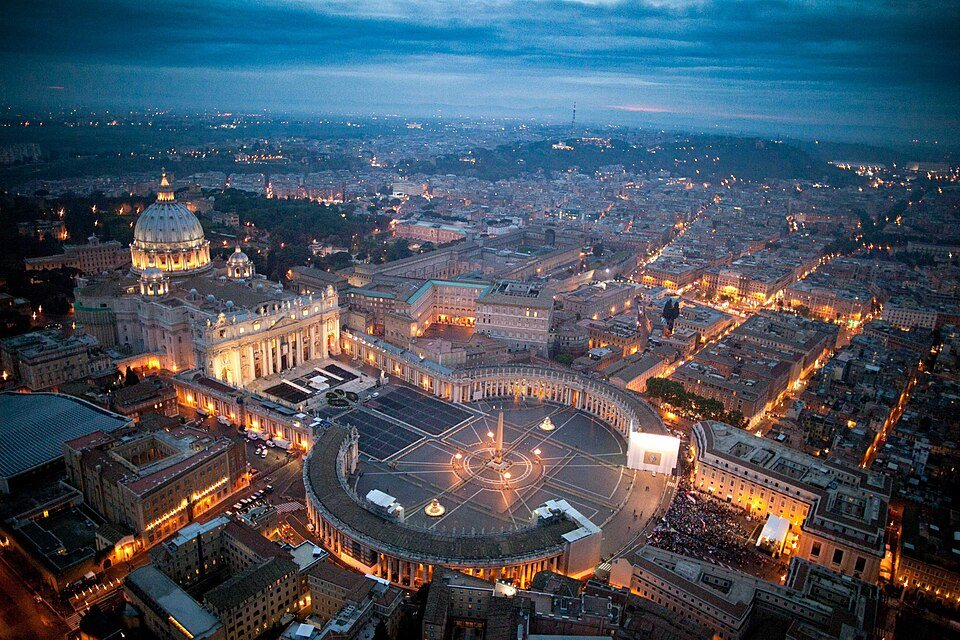
In Vatican City the pope holds sovereignty and, Britannica says, absolute executive, legislative and judicial powers (Vatican City). In Afghanistan the Taliban leader exercises unlimited political authority and rules by decree (the emirate). Until 1959 the Dalai Lama was both the spiritual and the temporal ruler of Tibet (Tibet).
Who Owns It: No Single Economic Model
Theocracy is a theory of who rules, not of who owns. The three cases the sources describe differ: Vatican City is a tiny state of 0.44 square kilometers and about 882 people in 2024, the Papal States were a territory of central Italy ruled by the pope (the Papal States), and Iran has an elected parliament operating under clerical vetting.
The sources used here do not rank these economies, so the card marks the ownership question as varying by branch.
The Claim to Rule
The claim is that authority comes from the divine, and that those who know the divine law should apply it. Britannica says successful monarchs were believed to have a sacred right to rule: some were regarded as gods, some were crowned by priests, and some, like the caliphs, led both religion and politics (sacred rule). Medieval European kings assumed the status of God’s representatives on earth.
Modern Iran gave the claim a constitutional form. Britannica says Ruhollah Khomeini articulated a populist form of government overseen by a spiritual authority (the revolution). In Tibet the claim was reincarnation: the Dalai Lama is considered a reincarnated lama, the same enlightened being across lives stretching back more than 600 years.
What It Promises and What It Asks
Theocracies promise a government answerable to a higher law, and a society ordered around a shared faith. Britannica says in many theocracies the legal system is based on religious law. The Iranian revolution found expression in Shi’i Islam, which many supporters considered a unifying element of Iranian identity and culture.
What it asks is deference to clerical judgment. Freedom House rates Iran 10 out of 100 and Afghanistan 8, both Not Free, and Saudi Arabia 9 (the scores). In Iran, Freedom House says elections are held regularly but fall short of democratic standards because the Guardian Council disqualifies candidates; turnout in the March 2024 parliamentary vote was 41 percent, the lowest on record.
A Short History of Theocracy
Britannica says theocratic rule was typical of early civilizations. In the early Middle Ages, traditions of theocratic kingship drew on Roman and Christian precedents, and the 11th-century Gregorian Reform and Investiture Controversy undermined those claims. The papacy, meanwhile, acquired its own state. The Donation of Pippin in 756 gave the pope the basis for temporal power, and the Papal States lasted from 756 to 1870.
In Tibet, Britannica says, the practice of succession by reincarnation arose in the Kagyu school in the 13th century and was adopted by the Gelukpa school, whose leaders, the Dalai Lamas, ruled Tibet until 1959. Italy annexed the rest of the Papal States by 1870, and the popes remained voluntary “prisoners of the Vatican” for nearly 60 years until the Lateran Treaty of 1929 recognized Vatican City’s sovereignty.
The modern revival came in Iran. The revolution of 1978 to 1979 toppled the monarchy on February 11, 1979 and led to an Islamic republic. Britannica says Khomeini’s program was put to a referendum and received broad support, after which the clerical class sidelined its left-wing and intellectual allies and conservative hard-liners gradually consolidated control.
The Forms of Theocracy
The forms differ in who the clergy are and how they hold office. In Iran, a jurist stands at the top of an elected-but-vetted system: the Assembly of Experts, 88 clerics elected by popular vote for eight-year terms, appoints the supreme leader, though Freedom House says his decisions appear to go unchallenged by it. In the Vatican, a single elected pope is an absolute sovereign in a city-state. In Tibet, a reincarnating lineage ruled. In Afghanistan, an armed movement runs the state as an emirate.
Britannica also lists Saudi Arabia, whose own classification is disputed (the debate).
Where It Rules and Where It Ruled
Britannica names Saudi Arabia, Iran and the Vatican as contemporary examples. Afghanistan under the Taliban since August 2021 is described by Freedom House as an emirate ruled by decree. Historical cases include the Papal States and Tibet under the Dalai Lamas, and the early-civilization theocracies Britannica says were typical.
A separate question is how many governments favor a religion without being ruled by clergy. Pew counted 22 percent of countries with an official state religion as of 2015, 27 of them with Islam and 13 with Christianity, and about 40 more governments that unofficially favor one faith (the Pew count).
The Case for It and the Case Against It
“Any country with a state religion is a theocracy.”
Britannica defines theocracy by rule through divinely guided officials, often clergy, under religious law. Pew counts an official religion as a separate measure: 22 percent of countries had one as of 2015, and 13 of them named a Christian church, including nine European nations.
Supporters argue that law should rest on divine authority and that rulers should be answerable to it. In Iran, Britannica says, Khomeini’s alternative to the shah’s autocracy was put to a referendum and received broad support. The revolution drew participants from the secular left to the religious right who wanted an end to autocracy and foreign interference.
Critics point to what followed. Freedom House says the unelected institutions under the supreme leader, including the security forces and the judiciary, play a major role in suppressing dissent, and that executions surged in 2025, with Amnesty International reporting more than 1,000 by September (Iran in 2025). In Afghanistan, Freedom House says the Taliban suspended all political and civic rights and abolished representative bodies, with women and minorities facing the most severe curbs.
What Theocracy Is Not
“Iran is a pure dictatorship of the clergy.”
Freedom House says Iran holds elections regularly and has an elected parliament and president, but that the unelected Guardian Council disqualifies candidates and ultimate power rests with the supreme leader and the unelected institutions under his control.
It is not the same as a state religion. Pew’s count of countries with an official faith is much larger than the short list of clerical states. It is not the same as monarchy, though sacred kingship blended the two, and Freedom House calls Saudi Arabia an absolute monarchy while Britannica lists it as a theocracy example.
It is not secular government, in which religious and political authority are separate, the arrangement Britannica says followed the Enlightenment in most Western countries.
Theocracy Today
In Freedom House’s 2026 ratings, Iran scores 10 out of 100 (down from 11), Afghanistan 8 (up from 6) and Saudi Arabia 9, all Not Free. Iran’s Assembly of Experts and parliamentary elections of March 2024 were dominated by hard-liners after the Guardian Council banned prominent centrist candidates, including former president Hassan Rouhani. Britannica says protests against the Islamic Republic have recurred since the disputed 2009 election.
The Dalai Lama, the exiled 14th holder of the title, confirmed in 2025 that a 15th will follow him. The pope remains the sovereign of Vatican City, a state of about 882 people. Whether a government favors a faith, how free its people are and who actually holds power are three separate questions, and the Pew, Freedom House and Britannica material above each answers a different one.