The Germanic World

Germany and the Germanic World:
History, Habits, and Holidays

Two thousand years of German-speaking history, from the Saxons of the north to the Alps and across to Krakow, with the customs that survive, the ones that are younger than they look, and what America kept and forgot.

November 18, 2026 · Emily Adams · 69 Nodules · 153 Sources
How to Read This: every glowing word opens a branch. Branches hold more glowing words. Follow any trail as deep as it goes.

A People Named by Outsiders

For most of its history there was no Germany, only peoples who spoke related languages across the forests and coasts of northern Europe. The left no written account of themselves in the Roman age, so the first portrait of them was drawn by a Roman, for Romans.
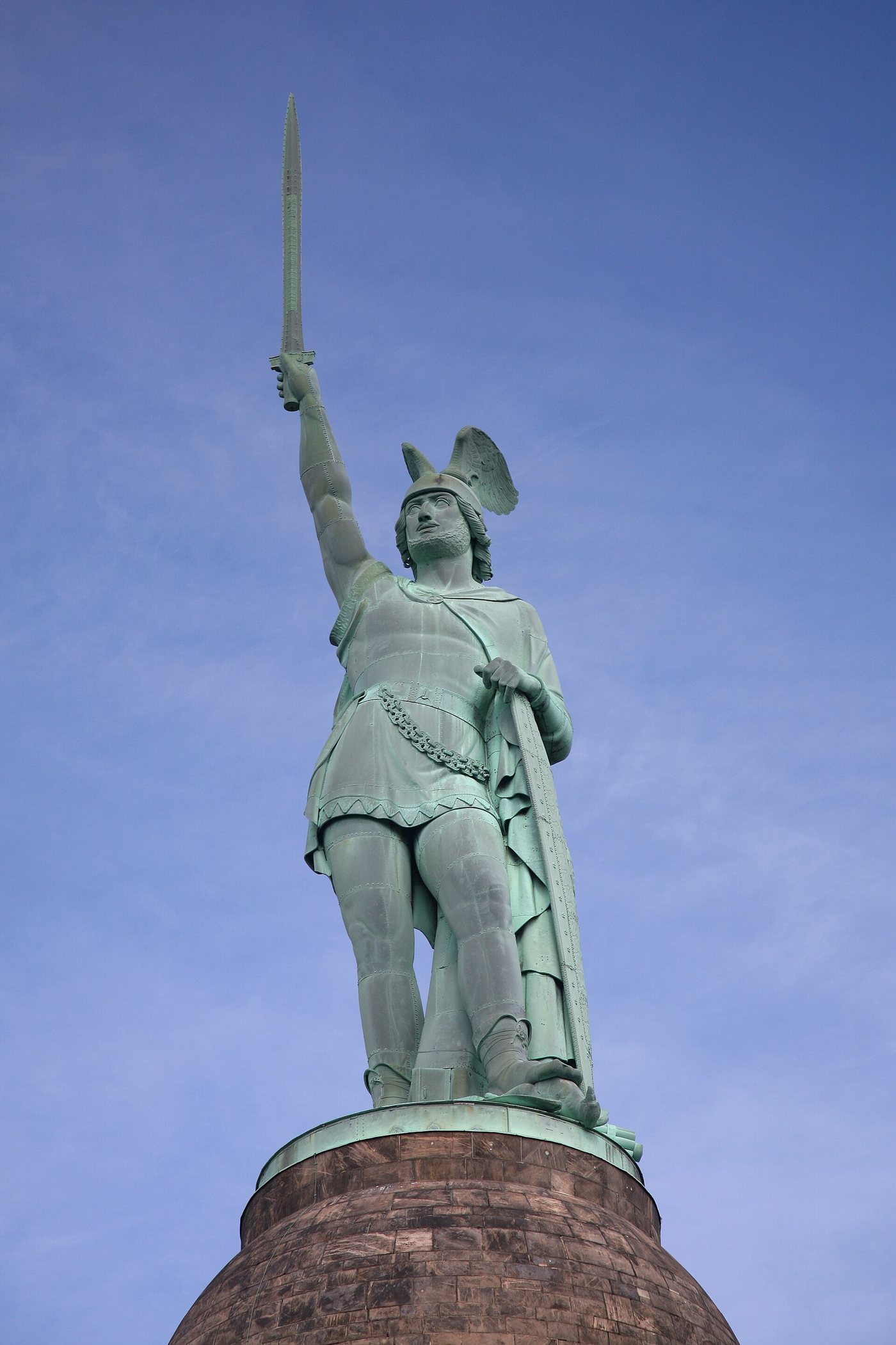
Colossal copper statue of a helmeted warrior raising a sword above the treetops
The Hermann Monument near Detmold, completed in 1875 to honor Arminius.Daniel Schwen, Public domain, via Wikimedia Commons

That portrait is the , published in 98 CE. It described the tribes as brave, plain-living, and unmixed with other peoples, and it was aimed at the Rome of his own day as much as at the north. Eighteen centuries later the flattery would be read as a birth certificate.

The tribes entered Roman memory for good in 9 CE, when a Cheruscan prince who spoke Latin and knew Roman tactics destroyed three legions in the . Rome never subdued the lands east of the Rhine. They stayed outside the empire and outside the written record for centuries more.

The North: Saxons, Sea Traders, and Low German

The northwest belonged to the Saxons, whose language was spoken across the plain west of the Elbe. In the early Middle Ages many people from these coasts crossed the North Sea, and a 2022 genetic study of early graves measured how large was. Those who stayed kept their gods until Charlemagne spent thirty-three years on , which ended with baptism required by law on pain of death.
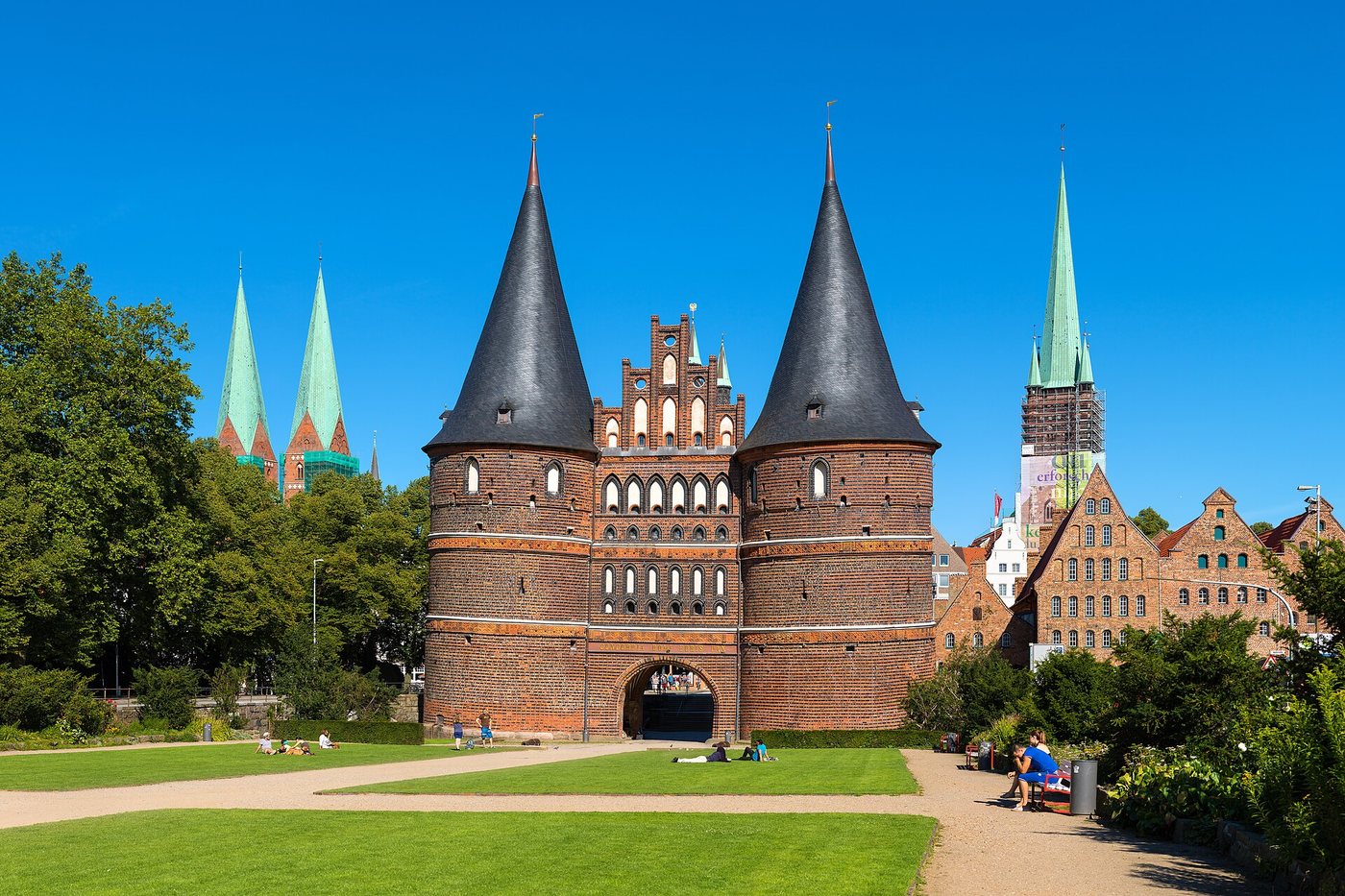
Brick city gate with two round towers and conical roofs
The Holstentor, the brick city gate of Lübeck, photographed in 2015.Christian Wolf ( www.c-w-design.de ), CC BY-SA 3.0 de, via Wikimedia Commons

About a generation later a poet retold the gospels in Old Saxon as , a life of Christ in the alliterative verse of the old songs. Its language closely resembles Old English. Its descendant, , is still spoken across northern Germany.

Low German was once a language of power. From the twelfth century its merchants built the , an alliance of trading cities led by Lübeck with offices from London to Novgorod. The north remains a region of brick-built port cities and civic clubs. Its summer high point is the , the marksmen’s festival, and its coast keeps of its own.

The Center: Empire, Print, and Reformation

Central Germany, from the Rhine through Hesse and Thuringia to Saxony, was the crossroads of the , which lasted from 800 to 1806. It had an emperor, but real power drifted to a loose federation of princes and electors. That looseness shaped what followed: strong regions, many small capitals, and local loyalties that outlived the empire.
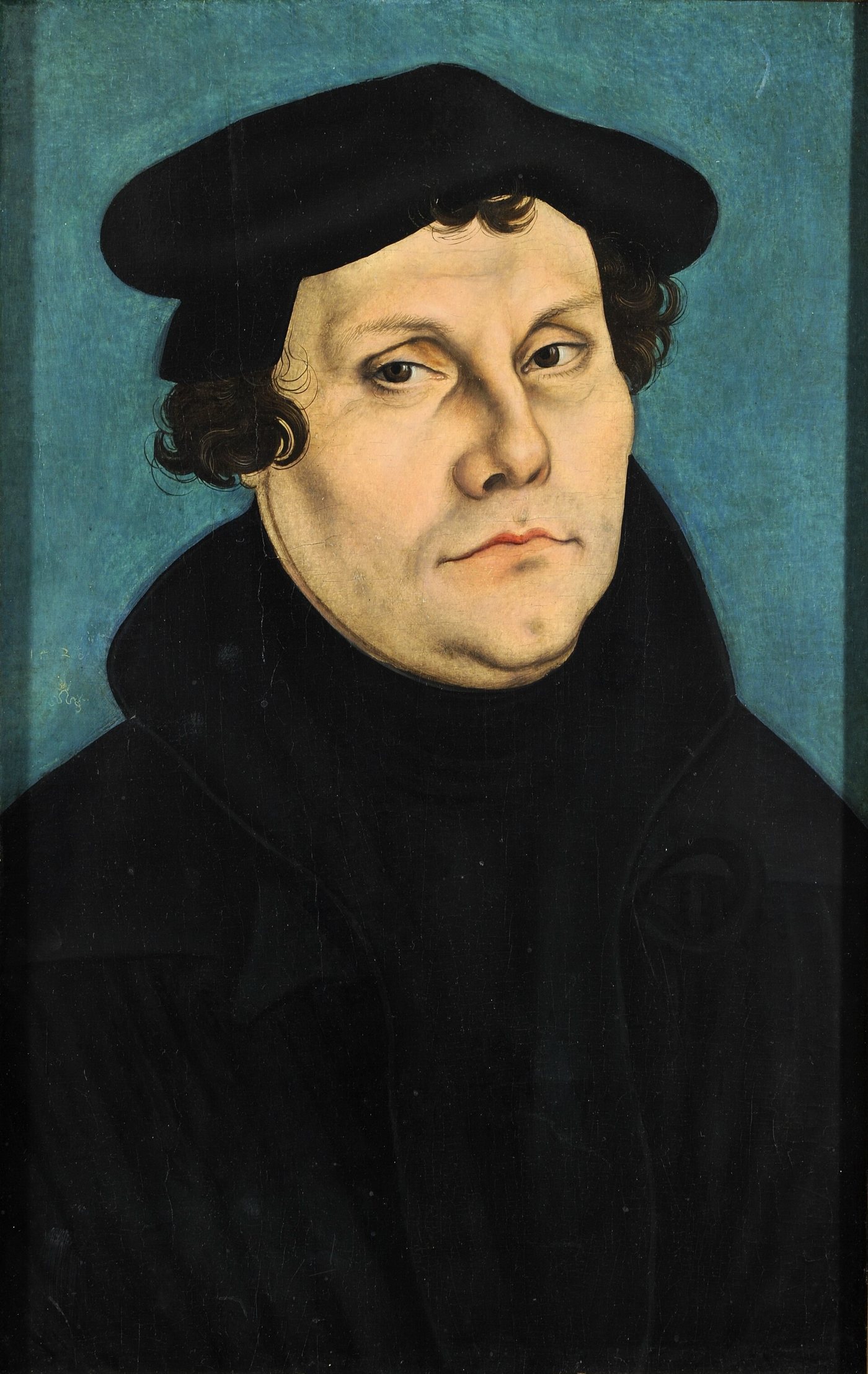
Painted portrait of a man in a black robe and cap against a plain background
Martin Luther, painted by Lucas Cranach the Elder in 1528.Lucas Cranach the Elder, Public domain, via Wikimedia Commons

Two events in this region changed Europe. In Mainz, about 1455, finished printing a Bible with movable metal type. In Wittenberg in 1517, issued ninety-five theses against the sale of indulgences, and the printing presses spread his words. In exile at Wartburg Castle he produced , and his dialect became the basis of the standard language.

The Reformation also brought war. Peasants who heard a promise of justice in the new teaching rose in 1524 and were crushed in . A century later the cut the population by an estimated 15 to 20 percent. In its aftermath grew , a Lutheran movement of personal faith and practical charity, and the church music of . The region’s best-known folk custom is darker in legend than in practice: in the Harz Mountains.

The South: Bavaria, Swabia, Switzerland, and Austria

In the south the dialects belong to the Upper German group, Bavarian and Alemannic, which also covers Austria and German-speaking Switzerland. Bavaria supplies the images the world takes for all of Germany. began in Munich in 1810 as a royal wedding party, and the beer rule known as the was a Bavarian decree of 1516 long before it was a national boast.
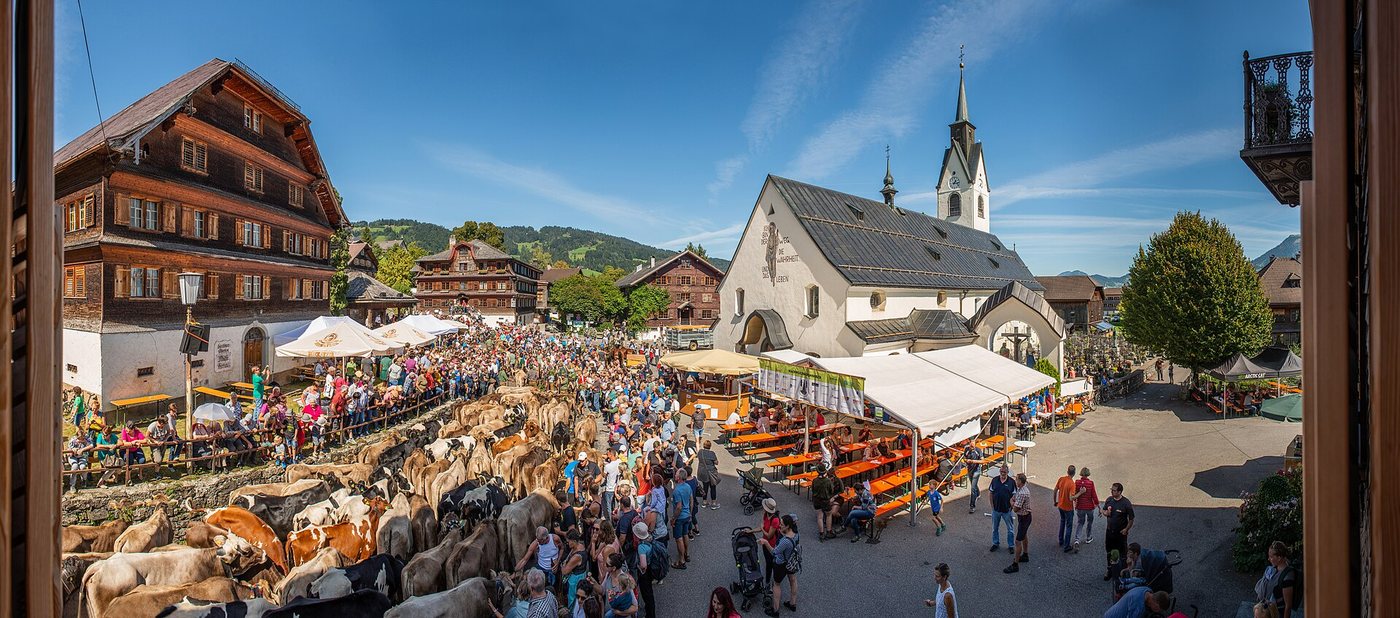
Wide view of decorated cattle and herders gathered in an Alpine village
Cattle gathered after the drive down from the alp at Schwarzenberg, Vorarlberg, September 2019.Feel free to use my photos, but please mention me as the author and if you want send me a message . or ( rufre@lenz-nenning.at ), CC BY-SA 4.0, via Wikimedia Commons

Swabia and the Alemannic southwest have a different character. Their carnival, the , is a procession of carved wooden masks that looks nothing like the parades of the Rhineland. Their civic conscience is expressed in the , the sweeping week, by which residents take turns cleaning stairs and pavements.

The Alps tie southern Germany to Austria and German-speaking Switzerland. Herds still climb to high pasture in late spring and come down decorated in autumn in the . Two Swiss cantons still decide their laws by show of hands in an open-air . Austria gave the world , first sung near Salzburg in 1818, and the Alpine valleys kept , the horned companion who walks beside Saint Nicholas.

Many States, One Late Nation

After the Thirty Years’ War the German lands remained a patchwork of territories. The one that grew into a great power was , a northern kingdom ruled from Berlin. Liberals tried to unite the country by vote in , when an elected assembly met in Frankfurt and offered an imperial crown to the Prussian king. He refused it. Unification came instead under Prussian leadership, and the German Empire was proclaimed in 1871 in the French palace of Versailles.
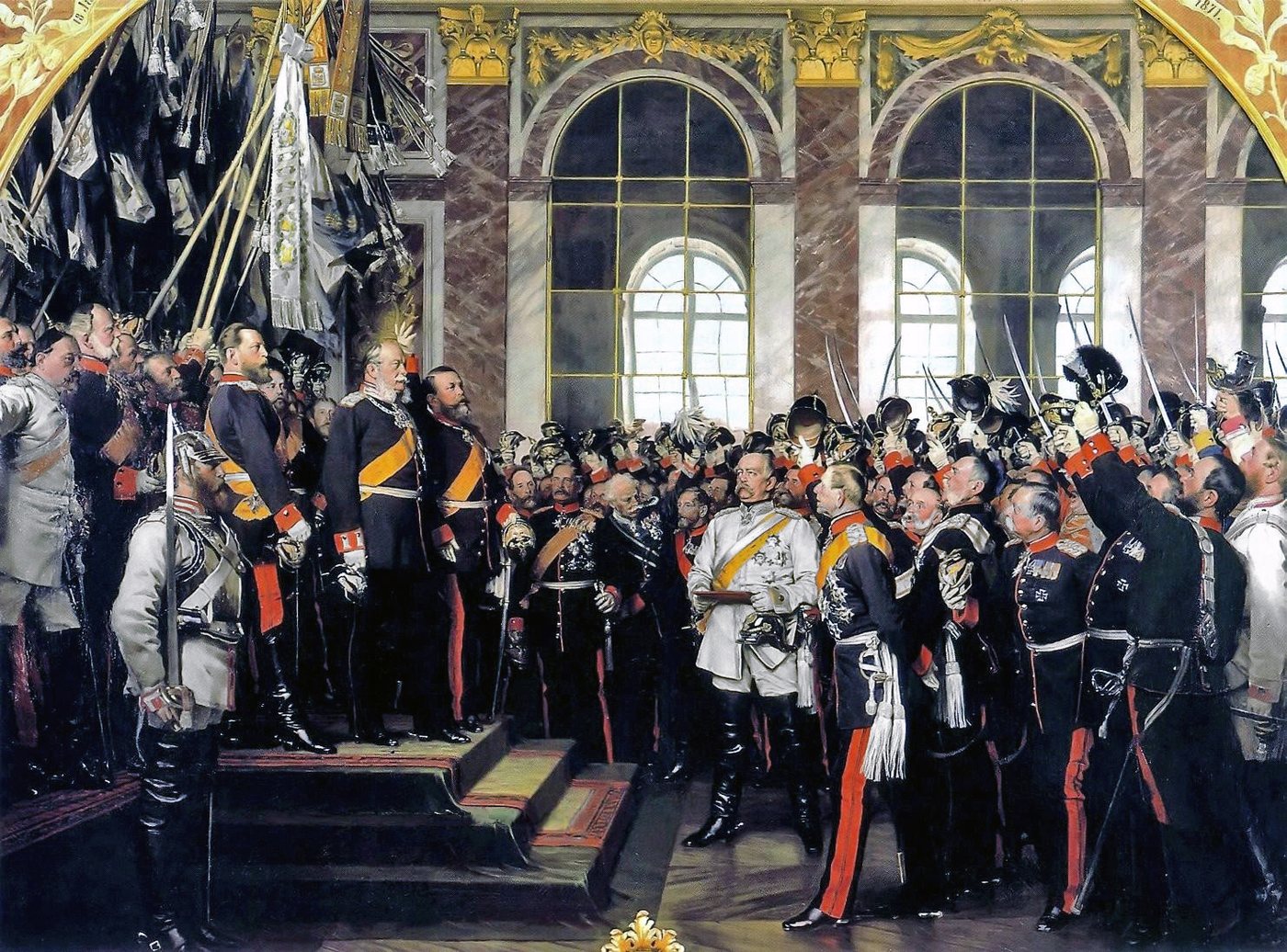
Painting of uniformed officers raising swords and helmets in a mirrored palace hall
Anton von Werner’s 1885 painting of the proclamation of the German Empire at Versailles on January 18, 1871.Anton von Werner, Public domain, via Wikimedia Commons

Germany was a culture long before it was a state. While politics stayed small, thought and music did not. of Königsberg set the terms for modern philosophy. designed a university in which professors both teach and do research, the pattern most universities now follow. , born in Bonn, wrote the melody that became the anthem of the European Union.

That order of events mattered. A nation that arrived late, with a ready-made cultural pride, went looking for an ancient past to match. It found one in Tacitus, in the Teutoburg Forest, and in costume.

The Year in Customs

The German year is marked by customs more than by dates, and it begins in the dark. The four weeks of bring the wreath, the calendar, and the Christmas market. The is the tradition’s most successful export, and after the Reformation gift-giving moved from Saint Nicholas Day to Christmas Eve.
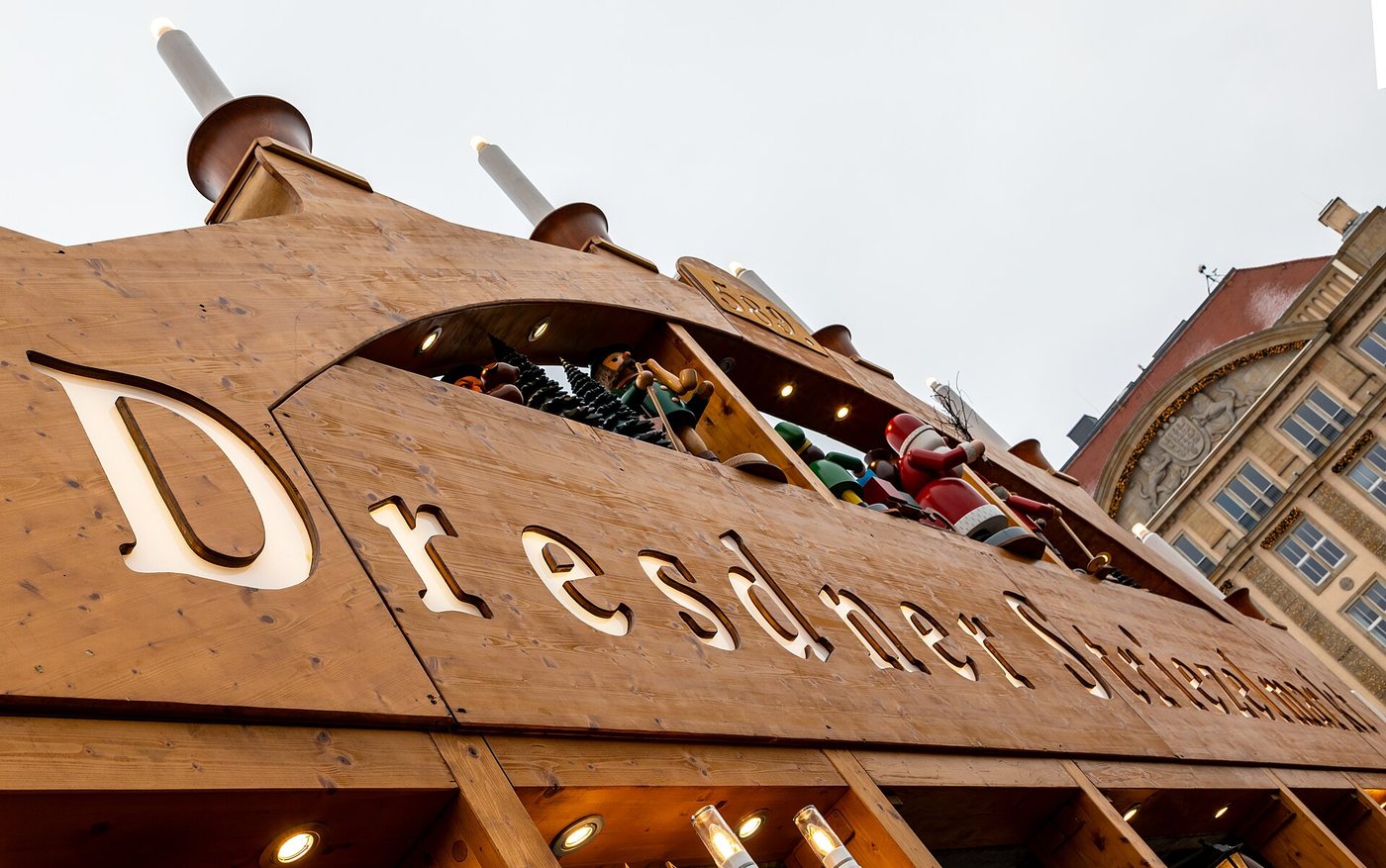
Night view of lit market stalls and a tall Christmas pyramid on a city square
The Striezelmarkt in Dresden, December 2023.Dietmar Rabich, CC BY-SA 4.0, via Wikimedia Commons

Carnival turns the order upside down before Lent. In Cologne, Düsseldorf, Bonn, and Aachen the season opens on November 11 and peaks on Rose Monday. Easter follows with , an egg-bringing animal first recorded in German lands in 1682, and with .

The last night of April belongs to witches and bonfires, and the first of May to the maypole. Summer is the season of marksmen’s festivals. In autumn come the cattle drives, and on November 11 children carry lanterns through the streets for . Then the wreath is lit again.

Everyday Habits

Some German habits have no festival and need none. The working day ends with a word, and the afternoon may pause for cake: are rituals of drawing a line around work. The same instinct appears in the reputation for rules, and in a constitution that protects Sunday as a day of rest. Both belong to .

Social life runs through clubs. Germany counts more than 628,000 registered associations, and the , the registered club, is the basic unit of sport, song, gardening, carnival, and hiking.

Craft is treated as knowledge. , with more than 3,000 registered varieties, sits on the national register of intangible cultural heritage. Many young people enter the , which divides an apprenticeship between a paying employer and a vocational school.

Traditions Younger Than They Look

The Claim

“These traditions are ancient and have been handed down unchanged since pagan times.”

The Reply, Ready to Paste

Most have dates. The Advent wreath is credited to a Hamburg children’s home in 1839. The first printed Advent calendar appeared in 1903. Cologne’s Rose Monday parade began in 1823 and Oktoberfest in 1810. The Easter hare first appears in writing in 1682. Germany’s own heritage registers and the Library of Congress record all of it.

Much of what looks ancient in German-speaking Europe dates from the nineteenth century, when a society moving to cities began to collect, tidy, and stage its own folklore. The Advent wreath, the printed Advent calendar, the organized carnival parade, and Oktoberfest all have founding dates, and all of them fall after 1800.
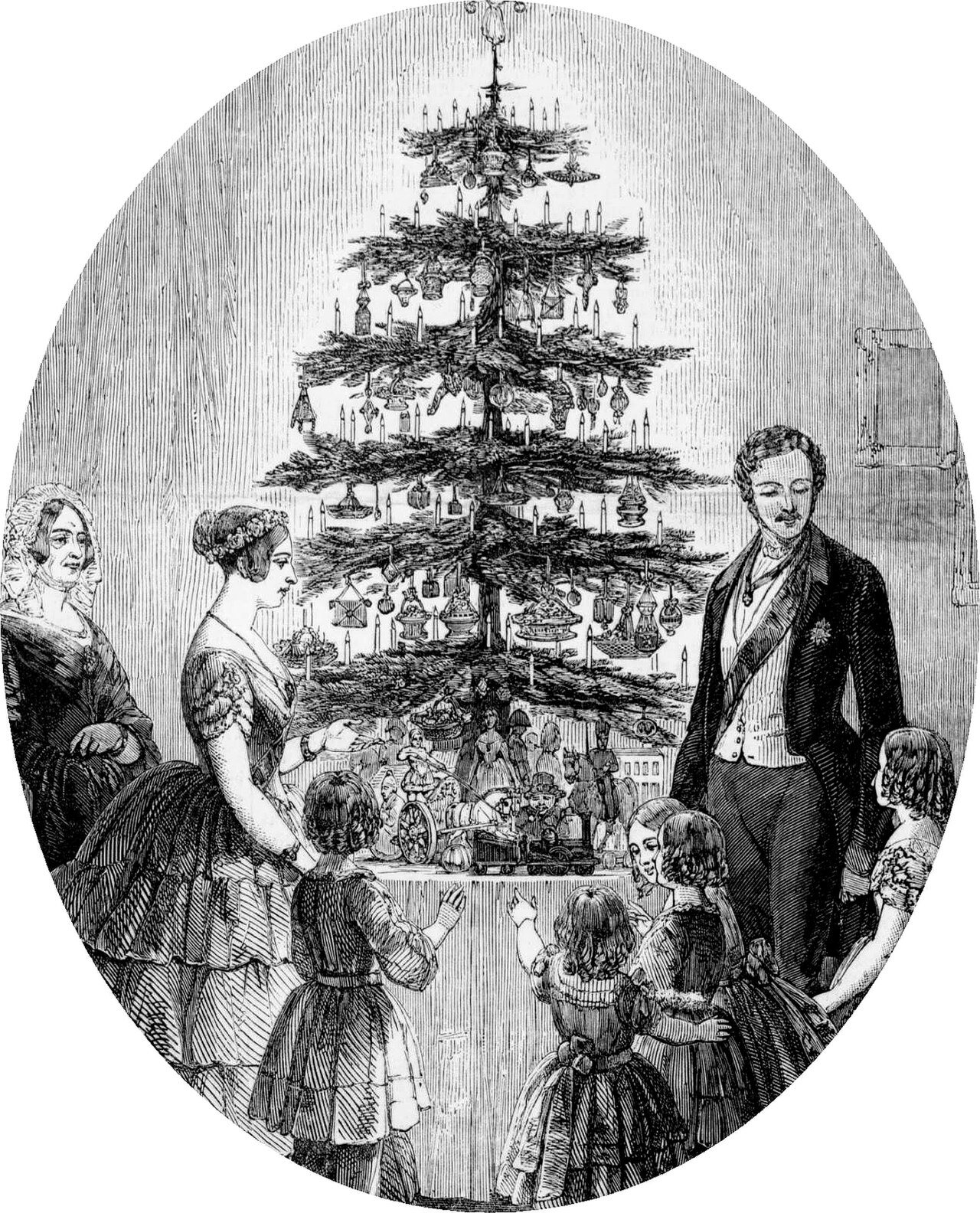
Engraving of a family gathered around a candlelit tree on a table
The royal family around the Christmas tree at Windsor Castle, from the Illustrated London News, 1848.Joseph Lionel Williams, Public domain, via Wikimedia Commons

Costume is the clearest case. The dirndl and lederhosen now sold as timeless Bavarian dress were taken up by , worn by city women at summer retreats, and reshaped again under the Nazis.

The pattern repeats elsewhere. The beer decree of 1516 did not mention yeast. The colossal statue of Arminius near the Teutoburg Forest stood by 1875. In Krakow, the legend told to every visitor about the trumpeter’s broken call first appeared in an American book of the 1920s.

None of this makes the customs false. A tradition is something people keep doing together, and a wreath lit since 1839 is a real tradition. The dates matter because the claim of unbroken ancient descent has been used as a weapon, and it is usually untrue.

How the Fairy Tales Were Edited

The same century produced Germany’s most famous book. were young librarians and language scholars who set out to preserve what they believed was the voice of the people before it was lost. Their Children’s and Household Tales appeared in two volumes in 1812 and 1815.
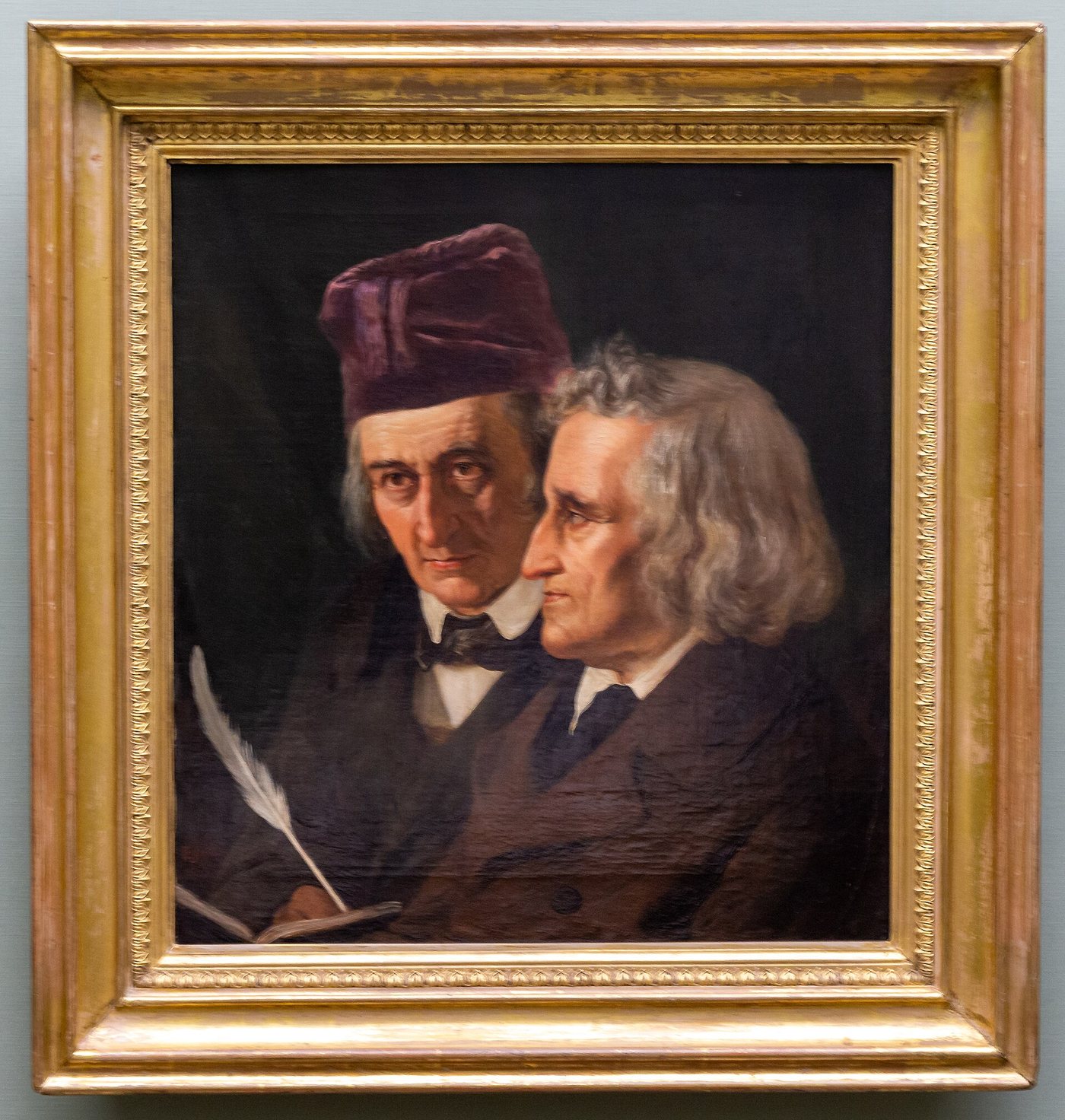
Double portrait of two elderly men in dark coats, one seated and one standing
Jacob and Wilhelm Grimm, painted by Elisabeth Jerichau-Baumann in 1855.Elisabeth Baumann, Public domain, via Wikimedia Commons

The first edition was never meant for children, and it reads that way: short, sparse, and sometimes cruel. Over seven editions to 1857 the brothers, Wilhelm above all, . They lengthened them, added Christian motifs, concealed a pregnancy in Rapunzel, and dropped stories that seemed too foreign or too harsh. The book the world knows is the last edition.

The tales were also less purely German than the brothers hoped. The German UNESCO commission describes the collection as the first systematic record of European and Near Eastern oral tale traditions. The stories are a meeting point of cultures, edited by two scholars into the form of a national treasure.

Germans in America, and How They Became Invisible

The Claim

“My ancestors came here and learned English right away. Today’s immigrants refuse to.”

The Reply, Ready to Paste

University of Wisconsin researchers checked the 1910 census. In Hustisford, Wisconsin, 24 percent of adults still spoke only German, many of them born in the United States. German speakers kept their own schools, churches, and newspapers for generations. English won in the end, as it does now.

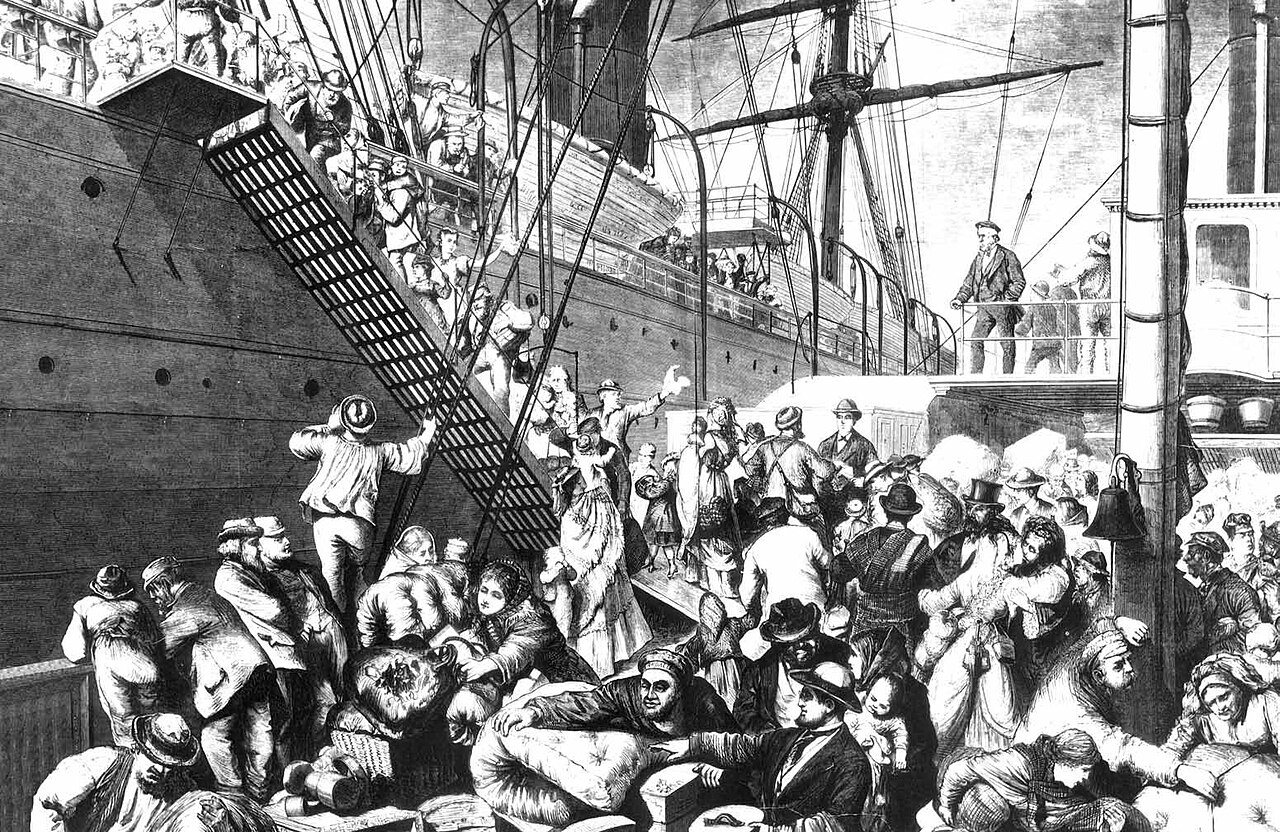
Between 1820 and 1929 the United States recorded about 5.9 million arrivals from Germany. The . The earliest came for religious freedom and founded the communities of the . By 1751 they were numerous enough that complained they would never adopt the English language or customs.
Engraving of families with bundles and trunks crowding a quay beside a steamship
German emigrants boarding a steamer in Hamburg for New York, from Harper’s Weekly, November 7, 1874.published in Harper’s Weekly, (New York) November 7, 1874, Public domain, via Wikimedia Commons

The failed revolutions of 1848 sent over a generation of democrats. The best known was , who became a Union general, a senator, and a cabinet secretary. His wife, , opened the first kindergarten in the United States in Watertown, Wisconsin, in 1856. German brewers built , and German habits became American ones so thoroughly that their origin was forgotten. The Christmas tree, the Easter bunny, the hot dog, and the kindergarten are all part of .

Then the country turned on them. After the United States declared war on Germany in 1917, drove the language out of schools and newspapers. In April 1918 a mob in Illinois lynched , a German-born baker. Nebraska made it a crime to teach children in any language but English before the eighth grade, a law the Supreme Court struck down in in 1923.

German Americans answered by blending in. Forty-five million Americans reported German ancestry in the 2020 census, close to the number reporting English, yet few people think of them as a group at all. is a story about pressure as much as about assimilation.

Immigration From Germany by Decade, 1820s to 1920s
1820s5,753
1830s124,726
1840s385,434
1850s976,072
1860s723,734
1870s751,769
1880s1,445,181
1890s579,072
1900s328,722
1910s174,227
1920s386,634

Source: U.S. Department of Homeland Security, Yearbook of Immigration Statistics 2022, Table 2. Persons obtaining lawful permanent resident status, by country of last residence.

Stolen Symbols and the Work of Remembering

The Nazi movement dressed itself in the Germanic past. It praised Tacitus as a bible, took runes for its insignia, and turned a good-luck sign found across the ancient world into its flag. That is the reason some old symbols cannot be used innocently today, and the reason the real history is worth knowing in detail.
Field of gray concrete slabs of differing heights in a city center
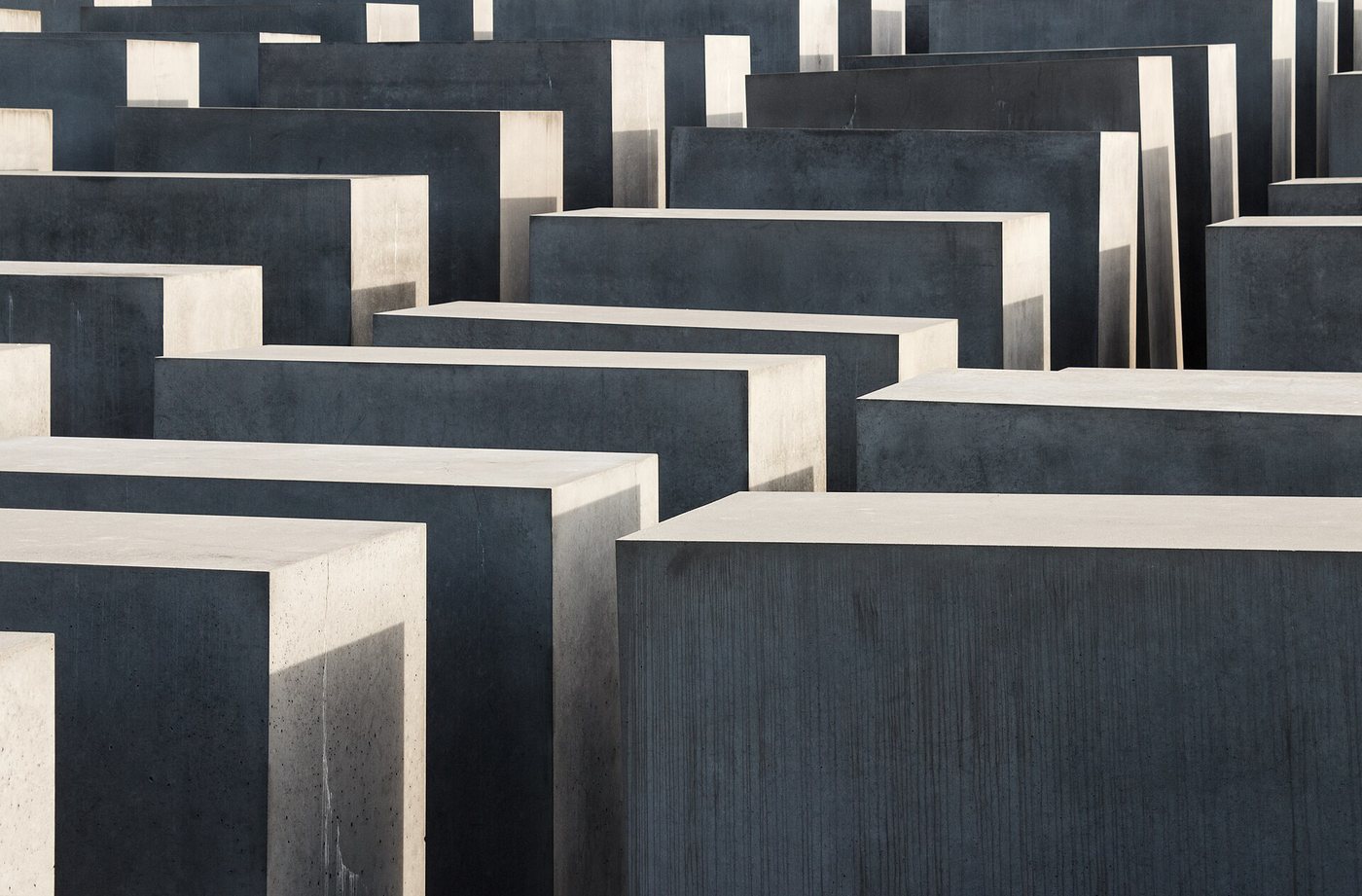
The field of stelae at the Memorial to the Murdered Jews of Europe in Berlin, July 2014.Slaunger, CC BY-SA 3.0, via Wikimedia Commons

After 1945 Germans did not confront these crimes at once. Acceptance of responsibility came slowly, over decades, and it produced the that visitors now see: a memorial to the murdered Jews of Europe in the center of Berlin, documentation centers on the sites of Nazi offices, and more than 116,000 , brass stones set in the pavements of the streets where victims lived. Denying or approving of the genocide in public is a crime under .

What the model offers is a way to treat national shame as a civic duty and not as an insult. It is also contested at home. In a national survey taken in October 2024, slightly more respondents agreed than disagreed that it was time to draw a line under the Nazi era, and the director of the Buchenwald memorial reports that desecration has grown more frequent. as the last survivors die.

German history holds an unusual double record: of a people targeted by propaganda in America in 1917, and of a state that made propaganda a ministry in 1933. The are the same in both directions.

Southern Poland: Krakow and the Highlands

Southeast of the German lands, on the upper Vistula, lies a region whose history is bound to theirs. Krakow was the capital of the Polish kings, a medieval merchant town with the largest market square in Europe. In 1772 Austria annexed the country to its south and east and ruled it from Vienna as , a Habsburg province that gained wide autonomy after 1867. Krakow itself was under Austrian control for most of the period from 1795 to 1918.
Brick Gothic church with two unequal towers on a large market square
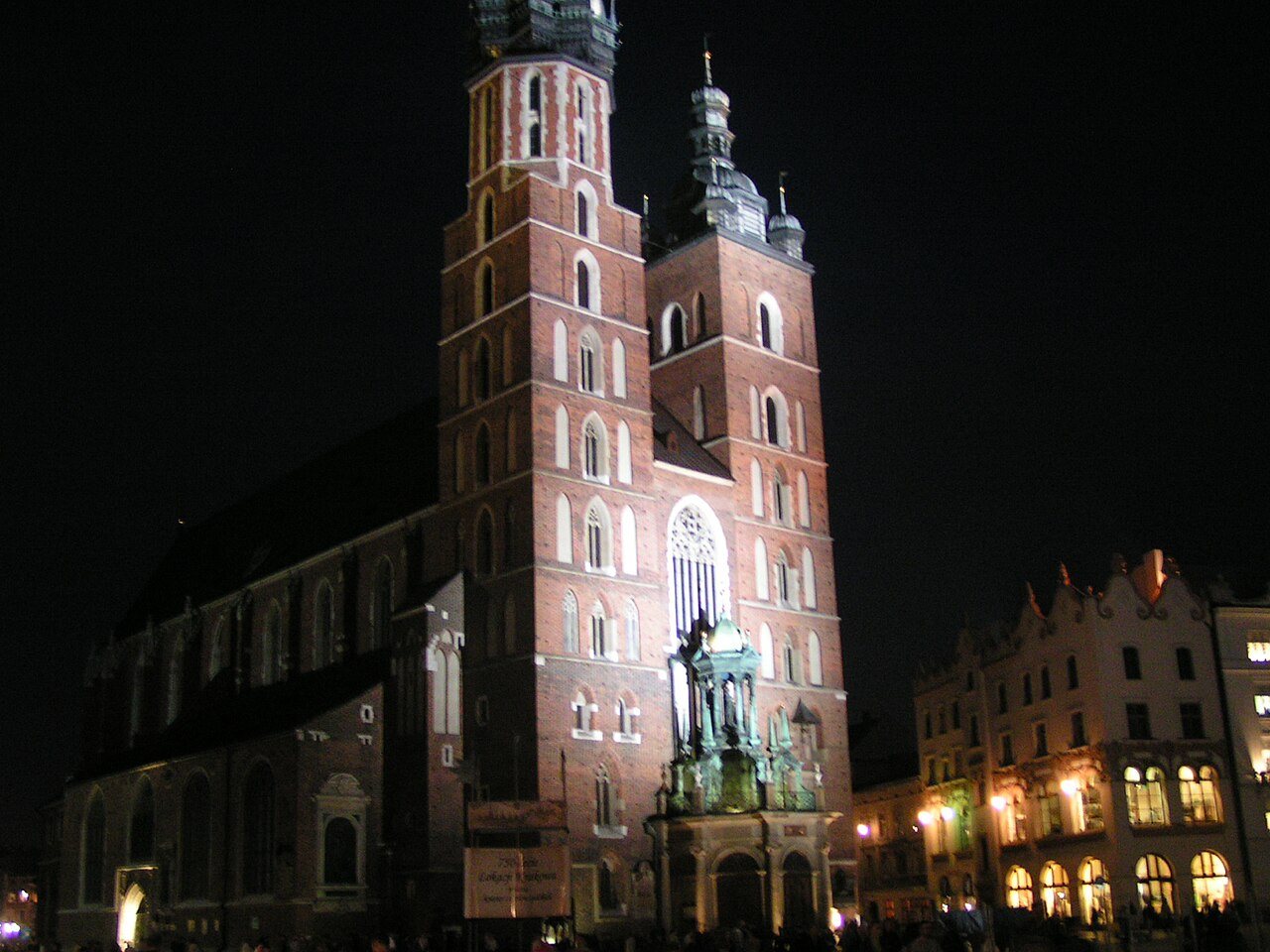
St. Mary’s Basilica on the Main Market Square in Krakow.Andrzej Harassek, CC BY-SA 3.0, via Wikimedia Commons

The city lives by its : a dragon under the castle hill, a trumpet call that breaks off in the middle of the melody, and a rider in Tatar costume on a hobby horse who parades each year after Corpus Christi. Each December its craftsmen carry glittering models of the city’s towers to the square for the , a tradition on the UNESCO list.

To the south rise the Tatra Mountains and the country of the , the highlanders, whose building traditions inspired a Polish national style in the 1890s. The calendar here turns on , the solemn supper of Wigilia and the water fights of Śmigus-Dyngus.

Under partition millions of Poles emigrated. The reached the same Midwestern cities the Germans had settled a generation earlier, and in Milwaukee the two became the city’s largest and second-largest communities.

The Trail Map

Every nodule in one place. Choose one and the page opens the trail that leads to it.

Sources

Every source cited in the branches, in alphabetical order.

  1. Anti-Defamation League, Hate Symbols Database: Othala Rune
  2. Bachhaus Eisenach, Welcome to the Bachhaus
  3. BBC Travel, What Makes Germans So Orderly? (2020)
  4. Beethoven-Haus Bonn, Beethoven: Biography
  5. Britannica, Battle of the Teutoburg Forest
  6. Britannica, Carl Schurz
  7. Britannica, Charlemagne
  8. Britannica, Christmas Tree
  9. Britannica, Galicia (Historical Region, Eastern Europe)
  10. Britannica, German Language
  11. Britannica, Germanic Peoples
  12. Britannica, Germany: The Thirty Years’ War and the Peace of Westphalia
  13. Britannica, Hamburger
  14. Britannica, Holy Roman Empire
  15. Britannica, Hot Dog
  16. Britannica, Kraków
  17. Britannica, Krampus
  18. Britannica, Low German Language
  19. Britannica, Peasants’ War
  20. Britannica, Pennsylvania German
  21. Britannica, Pietism
  22. Britannica, Prussia
  23. Britannica, Walpurgis Night
  24. Britannica, Widukind
  25. Britannica, Zakopane
  26. Bundesverfassungsgericht, Opening of Shops in Berlin on All Four Sundays in Advent Is Not Constitutional (2009)
  27. City of Dresden, Dresdner Striezelmarkt (2026)
  28. City of Munich, Oktoberfest.de: Lederhosen, From Scandal at Church Service to Must-Have
  29. City of Munich, Oktoberfest.de: The History of Oktoberfest
  30. City of Nuremberg, Christkindlesmarkt: History of the Market
  31. Cornell Law School Legal Information Institute, Meyer v. State of Nebraska, 262 U.S. 390 (1923)
  32. Culture.pl (Adam Mickiewicz Institute), Polish Christmas Eve Traditions
  33. Culture.pl (Adam Mickiewicz Institute), The Hejnał Trumpet Call of Kraków: Fact vs Fiction
  34. Culture.pl (Adam Mickiewicz Institute), Śmigus-Dyngus: Poland’s National Water Fight Day
  35. Das Rauhe Haus, Geschichte des Rauhen Hauses: Der Adventskranz
  36. Deutsche UNESCO-Kommission, Biikebrennen
  37. Deutsche UNESCO-Kommission, Deutsche Brotkultur
  38. Deutsche UNESCO-Kommission, Gemeinwohlorientierte Sportvereinskultur
  39. Deutsche UNESCO-Kommission, Handwerkliches Bierbrauen
  40. Deutsche UNESCO-Kommission, Hochalpine Allgäuer Alpwirtschaftskultur in Bad Hindelang
  41. Deutsche UNESCO-Kommission, Kinder- und Hausmärchen der Brüder Grimm
  42. Deutsche UNESCO-Kommission, Martinstradition im Rheinland
  43. Deutsche UNESCO-Kommission, Niederdeutsches Theater
  44. Deutsche UNESCO-Kommission, Osterräderlauf in Lügde
  45. Deutsche UNESCO-Kommission, Ostfriesische Teekultur
  46. Deutsche UNESCO-Kommission, Rheinischer Karneval mit all seinen lokalen Varianten
  47. Deutsche UNESCO-Kommission, Schwäbisch-Alemannische Fastnacht
  48. Deutsche UNESCO-Kommission, Schützenwesen in Deutschland
  49. Deutsche Welle, 8 Ways You Know It’s Advent in Germany (2017)
  50. Deutsche Welle, Dirndl or No? How Barbie Impacts Germany’s Oktoberfest (2023)
  51. Deutsche Welle, How Two German Feasts Set on November 11 Are Connected (2025)
  52. Deutsche Welle, Never Again: Holocaust Remembrance Under Pressure (2026)
  53. Deutsche Welle, The Legend of St. Nick (2006)
  54. Deutsche Welle, What’s the Deal With the Luxury Advent Calendar Craze? (2025)
  55. Deutsche Welle, Why St. Nicholas Puts Candy in Boots (2023)
  56. Deutsche Welle, Word of the Week: Feierabend (2011)
  57. Deutscher Brauer-Bund, Reinheitsgebot
  58. Deutsches Brotinstitut, Die Deutsche Brotkultur
  59. Deutsches Historisches Museum, LeMO: Reichsgründung 1871
  60. Deutsches Historisches Museum, LeMO: Revolution 1848
  61. deutschland.de, Dual Vocational Training System
  62. deutschland.de, German Dialects: The Sound of Plattdeutsch
  63. deutschland.de, Germany and Coffee and Cake, Beer and Currywurst
  64. deutschland.de, That’s Why We Love Hiking
  65. deutschland.de, The Culture of Remembrance in Germany (2015)
  66. deutschland.de, World War II and Holocaust: Germany’s Culture of Remembrance (2019)
  67. Die Hanse (Hanseatic League of Cities), Alliance of Cities
  68. Die Hanse (Hanseatic League of Cities), The Hanseatic Day
  69. Die Hanse (Hanseatic League of Cities), The Origins
  70. Die Hanse (Hanseatic League of Cities), Trading Posts
  71. European Union, European Anthem
  72. EVZ Foundation and Bielefeld University, MEMO Study 2025: Gedenkanstoß (Call to Remember)
  73. Federal Institute for Vocational Education and Training (BIBB), The Dual System
  74. Federal Ministry of Justice, Basic Law for the Federal Republic of Germany (English Translation)
  75. Federal Ministry of Justice, German Criminal Code (English Translation), Section 130
  76. Fordham University Internet History Sourcebooks, Charlemagne: Capitulary for Saxony (775 to 790)
  77. Fordham University Internet History Sourcebooks, Einhard: The Life of Charlemagne (c. 830)
  78. Fordham University Internet History Sourcebooks, Tacitus: Germania (98 CE)
  79. Francke Foundations, Halle, Francke Foundations
  80. German Historical Institute Washington, German History in Documents and Images: Causes and Effects of Emigration From Germany (1870s to 1880s)
  81. German Historical Institute Washington, German History in Documents and Images: Estimated Casualties During the Thirty Years’ War
  82. German Historical Institute Washington, German History in Documents and Images: From the Reformations to the Thirty Years’ War (1500 to 1648)
  83. German Historical Institute Washington, German History in Documents and Images: Martin Luther, Ninety-Five Theses (1517)
  84. German Historical Institute Washington, German History in Documents and Images: The Holy Roman Empire (1648 to 1815)
  85. German Historical Institute Washington, German History in Documents and Images: The Twelve Articles of the Swabian Peasants (1525)
  86. German National Tourist Board, Carnival Celebrations in Germany
  87. German National Tourist Board, Discover the German Bread Culture
  88. German National Tourist Board, Hiking in Germany
  89. German National Tourist Board, Ten Regional Traditions Celebrated Throughout Germany
  90. German National Tourist Board, The Germans and Their Beer
  91. German National Tourist Board, The Harz Witches’ Trail
  92. Grimmwelt Kassel, Grimmwelt
  93. Humboldt-Universität zu Berlin, History
  94. Kraków Travel (City of Kraków), Lajkonik
  95. Kraków Travel (City of Kraków), Let’s Go to the Tower of St Mary’s (2017)
  96. Kraków Travel (City of Kraków), On the Trail of the Wawel Dragon
  97. Library of Congress, Folklife Today: On the Bunny Trail, In Search of the Easter Bunny (2016)
  98. Library of Congress, The Germans in America: Chronology
  99. Library of Congress, The Gutenberg Bible
  100. National Archives, Founders Online: Benjamin Franklin, Observations Concerning the Increase of Mankind (1751)
  101. National Endowment for the Humanities, How the Grimm Brothers Saved the Fairy Tale (2015)
  102. National Geographic, The Small Swiss Canton Where People Still Vote by Hands in the Air
  103. National Geographic, Why Do We Have Christmas Trees? The Surprising History Behind This Holiday Tradition (2020)
  104. Nature, The Anglo-Saxon Migration and the Formation of the Early English Gene Pool (2022)
  105. NPR, During World War I, U.S. Government Propaganda Erased German Culture (2017)
  106. NPR, Germany’s Beer Purity Law Is 500 Years Old. Is It Past Its Sell-By Date? (2016)
  107. Phi Beta Kappa, The Key Reporter: A Most Dangerous Book (2014)
  108. SalzburgerLand Tourismus, Silent Night: The World-Famous Song From SalzburgerLand
  109. Schützenfest Hannover, Schützenfest Hannover
  110. Smithsonian Magazine, The Ambush That Changed History (2006)
  111. Southern Illinois University Edwardsville, Madison Historical: Lynching of Robert Prager (1918)
  112. Stanford Encyclopedia of Philosophy, Immanuel Kant (2024 revision)
  113. Stanford Encyclopedia of Philosophy, Wilhelm von Humboldt
  114. Stanford University Department of Classics, A Most Dangerous Book: Tacitus’s Germania From the Roman Empire to the Third Reich
  115. Stiftung Denkmal für die ermordeten Juden Europas, Memorial to the Murdered Jews of Europe
  116. Stolpersteine (Stiftung Spuren, Gunter Demnig), Facts and Figures
  117. Stuttgarter Zeitung, Kehrwoche: Anwohner müssen Schnee räumen (2026)
  118. SWI swissinfo.ch, Appenzell Inner Rhodes Holds Annual Assembly (2018)
  119. SWI swissinfo.ch, Swiss Traditional Open-Air Voting Resumes After Pandemic Hiatus (2021)
  120. Tatra Museum, The Museum of Zakopane Style at Villa Koliba
  121. Thomanerchor Leipzig, St. Thomas Choir of Leipzig
  122. U.S. Census Bureau, Over Half of White Population Reported Being English, German or Irish (2023)
  123. U.S. Department of Homeland Security, Yearbook of Immigration Statistics 2022, Table 2
  124. UNESCO Intangible Cultural Heritage, Alpine Pasture Season (2023)
  125. UNESCO Intangible Cultural Heritage, Basel Carnival (2017)
  126. UNESCO Intangible Cultural Heritage, Idea and Practice of Organizing Shared Interests in Cooperatives
  127. UNESCO Intangible Cultural Heritage, Nativity Scene (Szopka) Tradition in Krakow (2018)
  128. UNESCO Intangible Cultural Heritage, Schemenlaufen, the Carnival of Imst, Austria (2012)
  129. UNESCO World Heritage Centre, Aachen Cathedral
  130. UNESCO World Heritage Centre, Bryggen
  131. UNESCO World Heritage Centre, Hanseatic City of Lübeck
  132. UNESCO World Heritage Centre, Historic Centre of Kraków
  133. UNESCO World Heritage Centre, Luther Memorials in Eisleben and Wittenberg
  134. UNESCO World Heritage Centre, Wartburg Castle
  135. UNESCO World Heritage Centre, Wooden Churches of Southern Małopolska
  136. United States Holocaust Memorial Museum, History of the Swastika
  137. United States Holocaust Memorial Museum, Nazi Propaganda
  138. University of Queensland, O Christmas Tree: From Humble Roots to a Decorated Festive Icon (2022)
  139. University of Southern California Polish Music Center, Timothy J. Cooley: Authentic Troupes and Inauthentic Tropes, Performance Practice in Górale Music
  140. University of Texas at Austin Linguistics Research Center, Old Saxon Online: Introduction to Old Saxon
  141. University of Wisconsin-Madison News, Study Debunks Myth That Early Immigrants Quickly Learned English (2008)
  142. University of Wisconsin-Milwaukee, Encyclopedia of Milwaukee: Brewing
  143. University of Wisconsin-Milwaukee, Encyclopedia of Milwaukee: German-Language Media
  144. University of Wisconsin-Milwaukee, Encyclopedia of Milwaukee: Germans
  145. University of Wisconsin-Milwaukee, Encyclopedia of Milwaukee: Kindergarten Education
  146. University of Wisconsin-Milwaukee, Encyclopedia of Milwaukee: Poles
  147. Watertown Historical Society, First Kindergarten
  148. ZiviZ im Stifterverband, ZiviZ-Survey
  149. Österreichische UNESCO-Kommission, Perchten in Gastein
  150. Österreichische UNESCO-Kommission, Silent Night, the Christmas Carol
  151. Österreichische UNESCO-Kommission, The Öblarner Krampusspiel
  152. Österreichische UNESCO-Kommission, Three-Step Alpine Transhumance in the Bregenz Forest
  153. Österreichische UNESCO-Kommission, Viennese Coffee House Culture

Image Credits

  1. The Hermann Monument near Detmold, completed in 1875 to honor Arminius. Daniel Schwen. Public domain. Wikimedia Commons. Resized.
  2. The Holstentor, the brick city gate of Lübeck, photographed in 2015. Christian Wolf ( www.c-w-design.de ). CC BY-SA 3.0 de. Wikimedia Commons. Resized.
  3. Martin Luther, painted by Lucas Cranach the Elder in 1528. Lucas Cranach the Elder. Public domain. Wikimedia Commons. Resized.
  4. Cattle gathered after the drive down from the alp at Schwarzenberg, Vorarlberg, September 2019. Feel free to use my photos, but please mention me as the author and if you want send me a message . or ( rufre@lenz-nenning.at ). CC BY-SA 4.0. Wikimedia Commons. Resized.
  5. Anton von Werner’s 1885 painting of the proclamation of the German Empire at Versailles on January 18, 1871. Anton von Werner. Public domain. Wikimedia Commons. Resized.
  6. The Striezelmarkt in Dresden, December 2023. Dietmar Rabich. CC BY-SA 4.0. Wikimedia Commons. Resized.
  7. The royal family around the Christmas tree at Windsor Castle, from the Illustrated London News, 1848. Joseph Lionel Williams. Public domain. Wikimedia Commons. Resized.
  8. Jacob and Wilhelm Grimm, painted by Elisabeth Jerichau-Baumann in 1855. Elisabeth Baumann. Public domain. Wikimedia Commons. Resized.
  9. German emigrants boarding a steamer in Hamburg for New York, from Harper’s Weekly, November 7, 1874. published in Harper’s Weekly, (New York) November 7, 1874. Public domain. Wikimedia Commons. Resized.
  10. The field of stelae at the Memorial to the Murdered Jews of Europe in Berlin, July 2014. Slaunger. CC BY-SA 3.0. Wikimedia Commons. Resized.
  11. St. Mary’s Basilica on the Main Market Square in Krakow. Andrzej Harassek. CC BY-SA 3.0. Wikimedia Commons. Resized.
  12. A page of the Munich manuscript of the Heliand, the Old Saxon gospel poem of about 830. München, BSB, Cgm 25, fol. 5r. Public domain. Wikimedia Commons. Resized.
  13. The wooden wharf houses of Bryggen in Bergen, Norway, once a Hanseatic office. JoachimKohler-HB. CC BY-SA 4.0. Wikimedia Commons. Resized.
  14. The Library of Congress copy of the Gutenberg Bible, printed in Mainz about 1455. MC BSU. CC0. Wikimedia Commons. Resized.
  15. Title page of a 1525 printing of the Twelve Articles of the Swabian peasants. Unknown author Unknown author. Public domain. Wikimedia Commons. Resized.
  16. Johann Sebastian Bach, painted by Elias Gottlob Haussmann in 1746. Elias Gottlob Haussmann. Public domain. Wikimedia Commons. Resized.
  17. The Narrensprung, the jesters’ parade in Rottweil, in 1912. Unknown author Unknown author. Public domain. Wikimedia Commons. Resized.
  18. The Landsgemeinde, the open-air assembly of Canton Glarus, in 2009. Marc Schlumpf, www.icarus-design.ch. CC BY-SA 3.0. Wikimedia Commons. Resized.
  19. A manuscript of Silent Night in the hand of Joseph Mohr. Joseph Mohr; Franz Xaver Gruber. Public domain. Wikimedia Commons. Resized.
  20. A greeting card from the 1900s reading Gruss vom Krampus, greetings from Krampus. Unknown author Unknown author. Public domain. Wikimedia Commons. Resized.
  21. The National Assembly meeting in Frankfurt’s Paulskirche in 1848, in a contemporary lithograph. from a contemporary drawing of the Parliament in 1848; after a drawing by Ludwig von Elliot. Public domain. Wikimedia Commons. Resized.
  22. The Easter fountain in Bieberbach, Franconia, decorated with thousands of painted eggshells. Edbruynzeels. CC BY-SA 4.0. Wikimedia Commons. Resized.
  23. A maypole in Malching, Bavaria, photographed in 2023. Kritzolina. CC BY-SA 4.0. Wikimedia Commons. Resized.
  24. The building of Margarethe Schurz’s 1856 kindergarten in Watertown, Wisconsin, now a museum. Sa magnuson33. CC BY-SA 3.0. Wikimedia Commons. Resized.
  25. The Wawel Dragon statue below Wawel Hill in Krakow. Guillaume Speurt from Vilnius, Lithuania. CC BY-SA 2.0. Wikimedia Commons. Resized.
  26. A Krakow nativity scene at the annual competition on the Main Square, December 2006. user:cancre. CC BY-SA 2.5. Wikimedia Commons. Resized.
  27. Villa Koliba in Zakopane, the first house built in the Zakopane Style, photographed in 2009. Agnieszka Baranowska. CC BY 2.0. Wikimedia Commons. Resized.
0 / 69 Explored Trail Map