What Populism, Nationalism and Nativism Are
The three words are often used as if they were one. Britannica treats them as different things. Populism is a program or movement that champions, or claims to champion, the common person against a real or perceived elite (populism). Nationalism is the ideology that an individual’s loyalty to the nation-state surpasses other interests (nationalism). Nativism prioritizes native-born or long-established residents over immigrants (nativism).
Britannica says plainly that nativism is not equivalent to patriotism, nationalism or populism, though those who hold it tend to call themselves “patriots,” “nationalists” or “populists” (the labels). Each is also not a regime. It is a style, a loyalty or a stance that can sit inside a democracy, a monarchy or a dictatorship.
Populism: The People Against the Establishment
Britannica says populism usually combines elements of the left and the right, opposing large business and financial interests but also frequently being hostile to established liberal, socialist and labor parties. It can be democratic or authoritarian. In its most democratic form it seeks to defend ordinary citizens through reform rather than revolution. In the United States the term was applied to the Populist, or People’s, Party of 1892, many of whose demands, such as a progressive tax system, were later adopted as laws or amendments, and whose call for direct democracy through initiatives and referenda became reality in a number of states (the People’s Party).
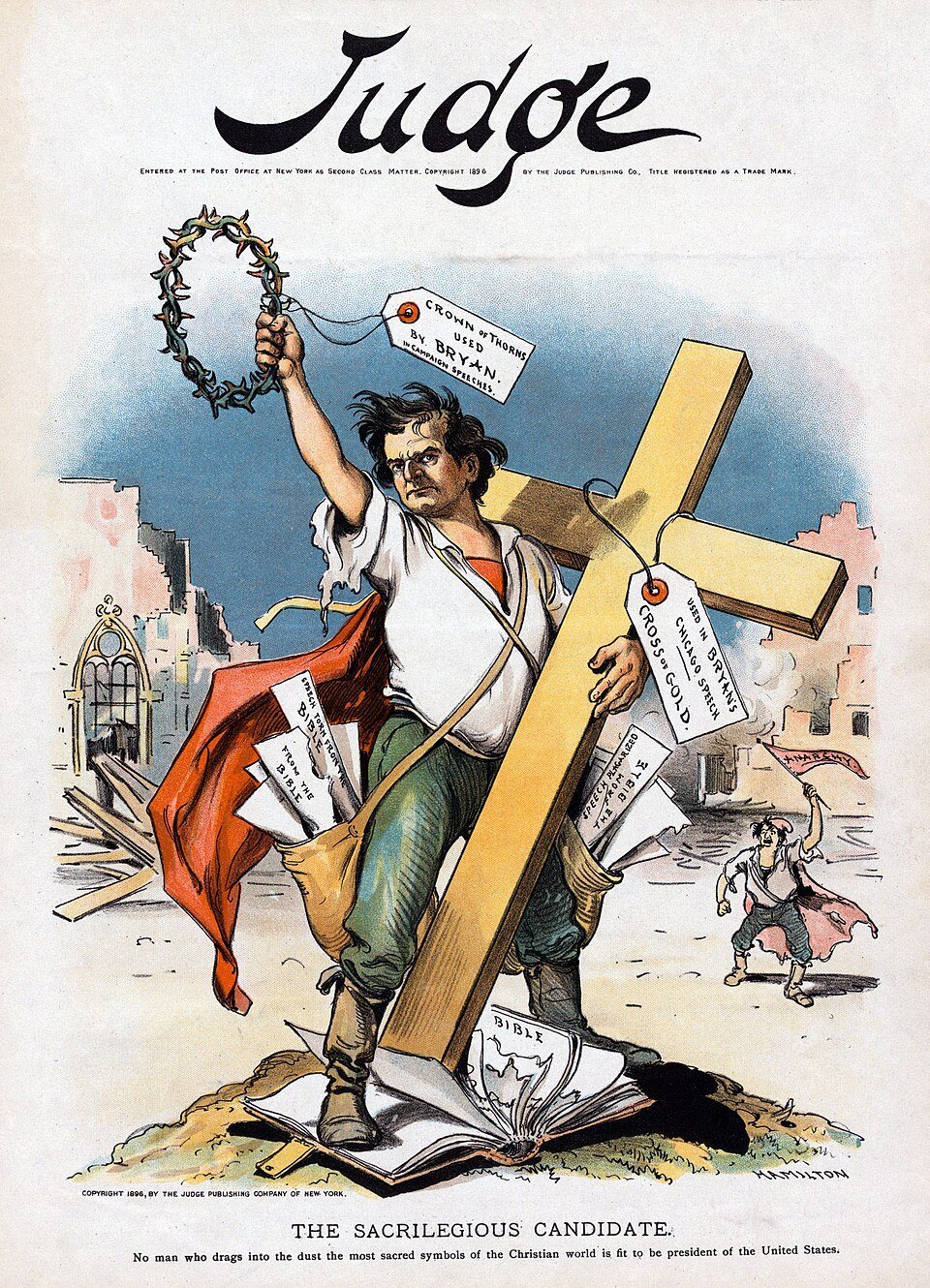
In its contemporary understanding, Britannica says, populism is more often associated with authoritarian politics built around charismatic leaders who claim to embody the will of the people, with parties losing importance and elections serving to confirm the leader’s authority (the authoritarian turn). In the second half of the 20th century it was identified with Latin American leaders such as Juan Perón, Getúlio Vargas and Hugo Chávez (Perón), and in the early 21st century populist authoritarian regimes arose in Turkey, Poland and Hungary, among others. The word is also used as an insult (the argument over the word).
Pew’s 2026 study finds right-wing populism has gained influence across Europe in the decade since Brexit (the Pew study), and Timbro’s index puts the average support for populist and authoritarian parties in Europe at 26.9 percent (the Timbro index).
Nationalism: Loyalty to the Nation-State
Britannica says nationalism is a modern movement. People were always attached to native soil and tradition, but it was not until the end of the 18th century that it became a generally recognized sentiment molding public and private life, and the American and French revolutions may be regarded as its first powerful manifestations (a modern movement). Before it, loyalty went to the city-state, the feudal lord, the dynasty or the religious group, and for the first 15 centuries of the Common Era the ideal was the universal world-state, not the nation (loyalty before the nation).
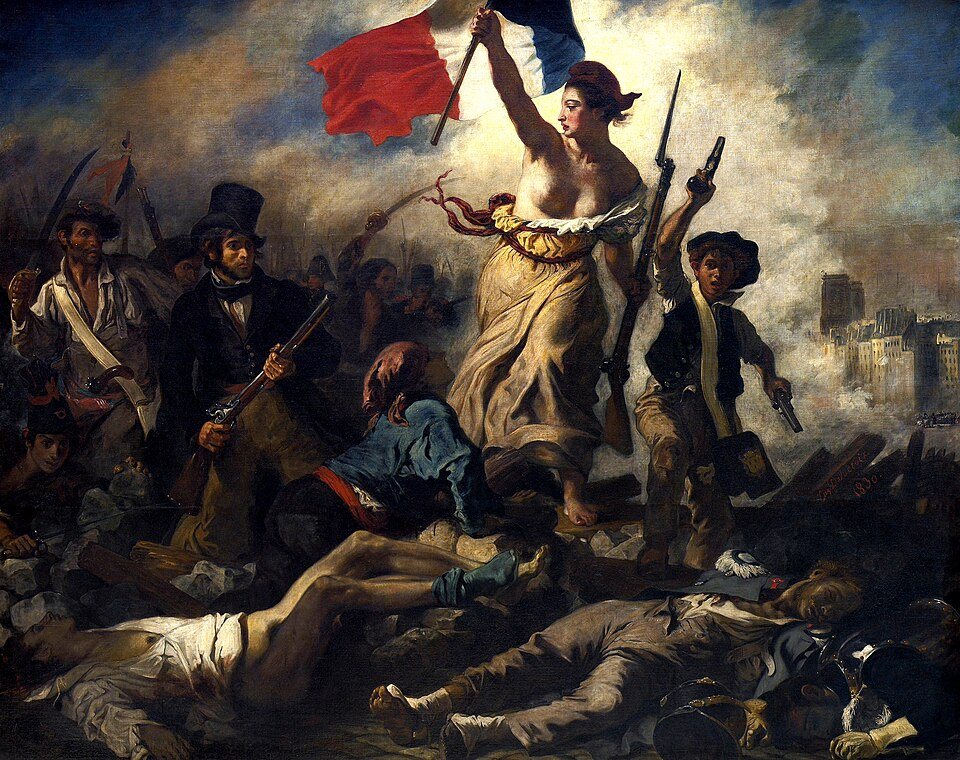
Poets and scholars led with cultural nationalism, reforming the mother tongue and delving into the national past (cultural nationalism). Its first political form was liberal. American nationalism was a fight for liberty and individual rights, and French nationalism, with the slogan “Liberty, equality, fraternity,” held that nations are constituted by the self-determination of their members (liberal nationalism). German nationalism turned the other way, stressing instinct against reason and historical difference against common aspirations, and Bismarck unified Germany on a conservative and authoritarian basis (the German turn).
The 19th century was the age of nationalism in Europe, the 20th the age of national movements in Asia and Africa. Britannica says nationalism disintegrated the Habsburg and Ottoman empires, and after World War I new nation-states rose from the ruins of the Habsburg and Romanov empires (the empires fall).
Nativism: Natives First
Britannica defines nativism as an ideology, government policy or political stance that prioritizes the interests of native-born or long-established residents over those of immigrants, typically by restricting immigration. Its rationales, Britannica says, are preserving national, cultural or religious identity and protecting jobs, and immigrants are often made scapegoats for crime, unemployment and housing shortages. It adds that most economists agree, on ample data, that immigration is consistently a net economic positive for developed countries (the economic claim).
In white-majority societies including France and the United States, Britannica says, many nativists have embraced replacement theory, a far-right conspiracy theory alleging that elites are systematically replacing white citizens with nonwhite immigrants (replacement theory). Its American record includes the Chinese Exclusion Act of 1882 and the internment of roughly 120,000 Japanese Americans after Executive Order 9066 in 1942 (the exclusion laws, the internment).
Populism, Nationalism and Nativism Today
Pew’s May 2026 survey describes a continent where right-wing populist parties have become a regular feature of the landscape. France’s National Rally holds 123 of 577 Assembly seats, up from two in 2016. Germany’s AfD holds 150 of 630 Bundestag seats, up from zero. Italy’s Giorgia Meloni became prime minister in 2022. There were setbacks too: Viktor Orbán’s Fidesz lost Hungary’s April 2026 election after four straight wins.
Timbro’s 2024 index, covering the 60 most relevant populist or authoritarian parties in Europe, put average support at 26.9 percent, a historic high that had not grown for five years, with growth on the right and a decline on the radical left. Britannica says authoritarian populism has been among the biggest drivers of recent autocratization.