Emily Adams Creative
Need to Know

They said it was safe.

Twelve times the U.S. military and federal government exposed service members, their families, and civilians to something dangerous, then hid it, played it down, or lied about it. Here is what they said, what the record shows, and what happened next.

12Cases, from World War II to 2021
79 YearsFrom the first mustard gas tests to Red Hill
1991The year the Agent Orange Act passed, twenty years after the spraying stopped
Part 1

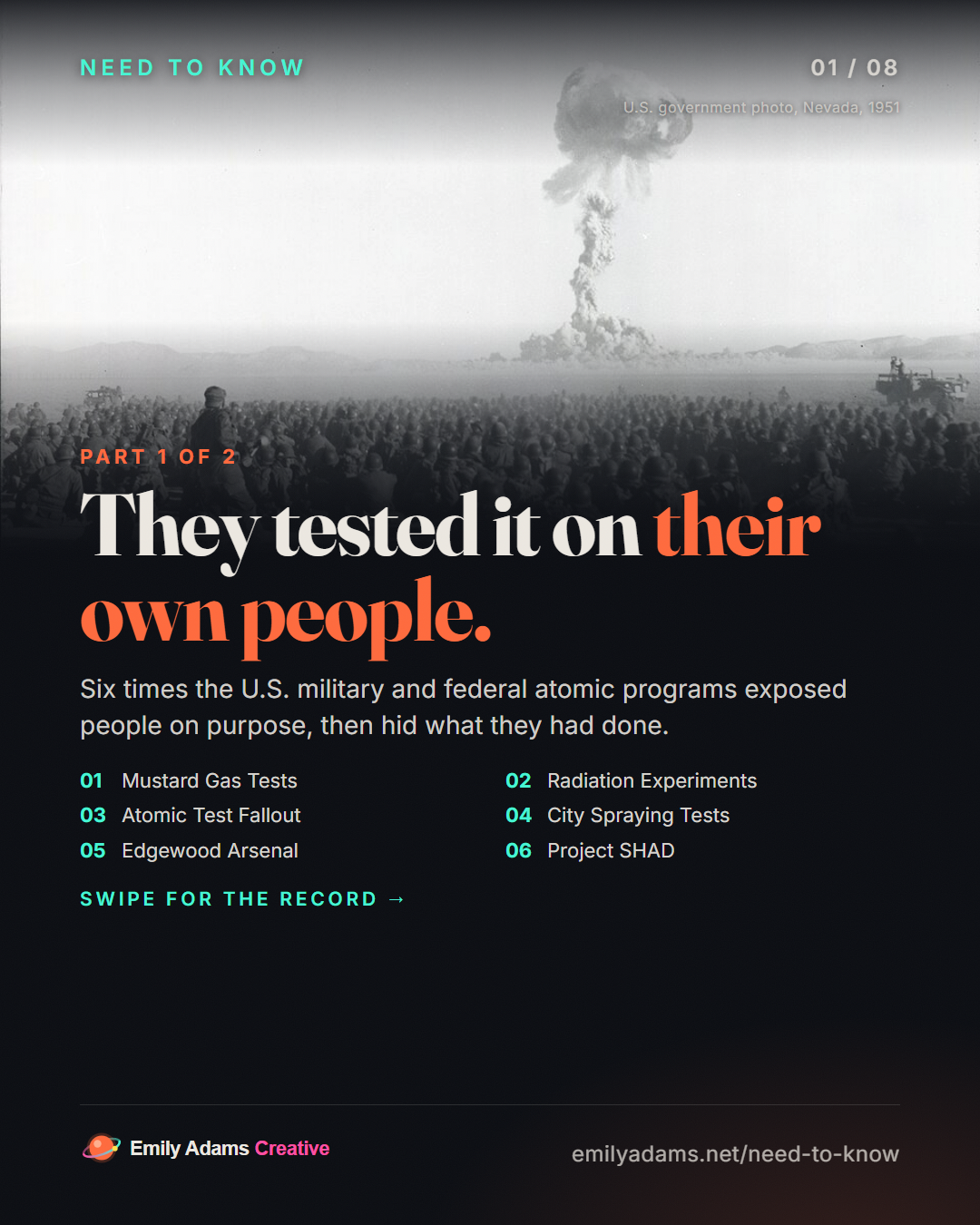
They Tested It on People

None of these were accidents. Each was a planned test or experiment, and the people exposed were not told the truth about it.

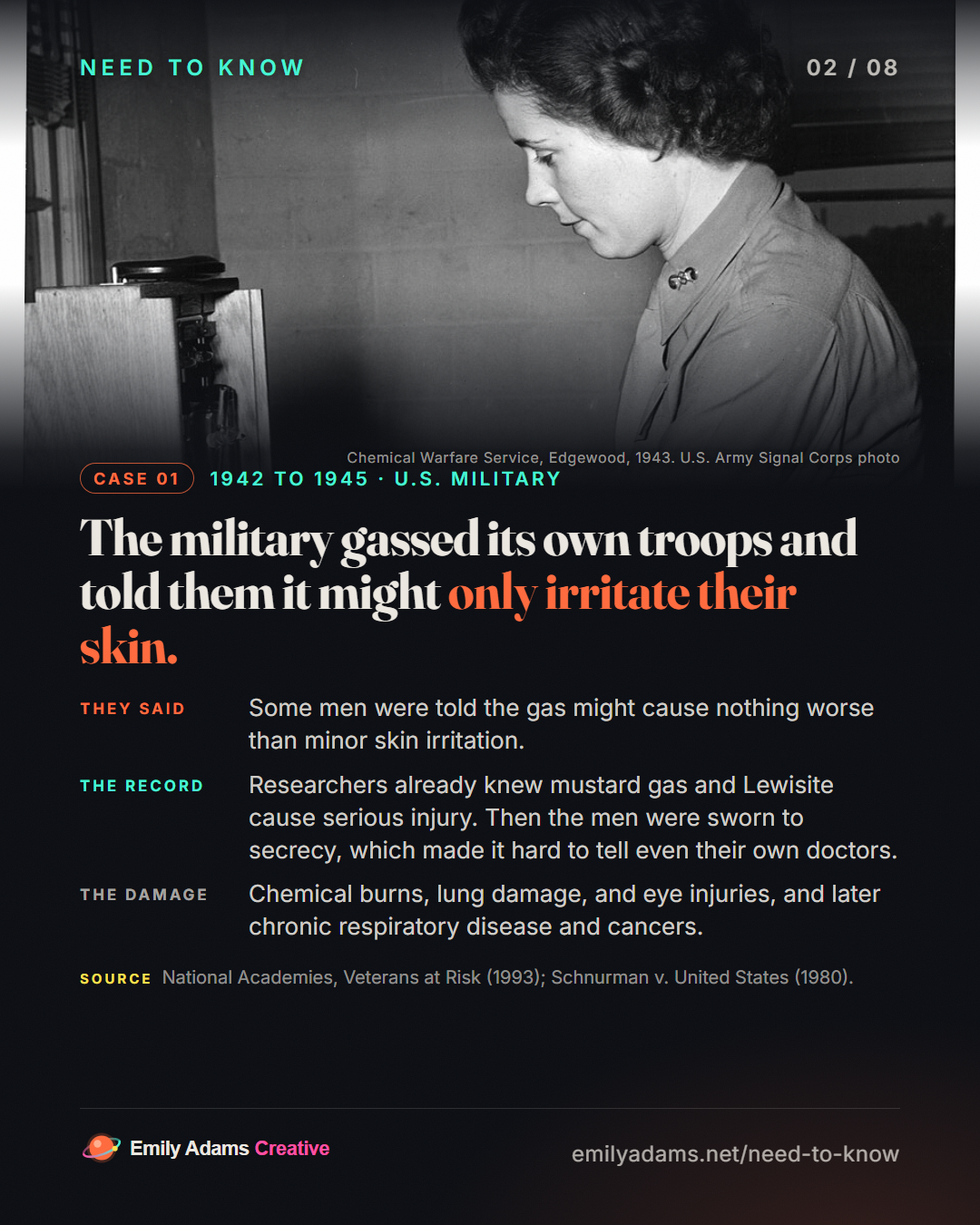
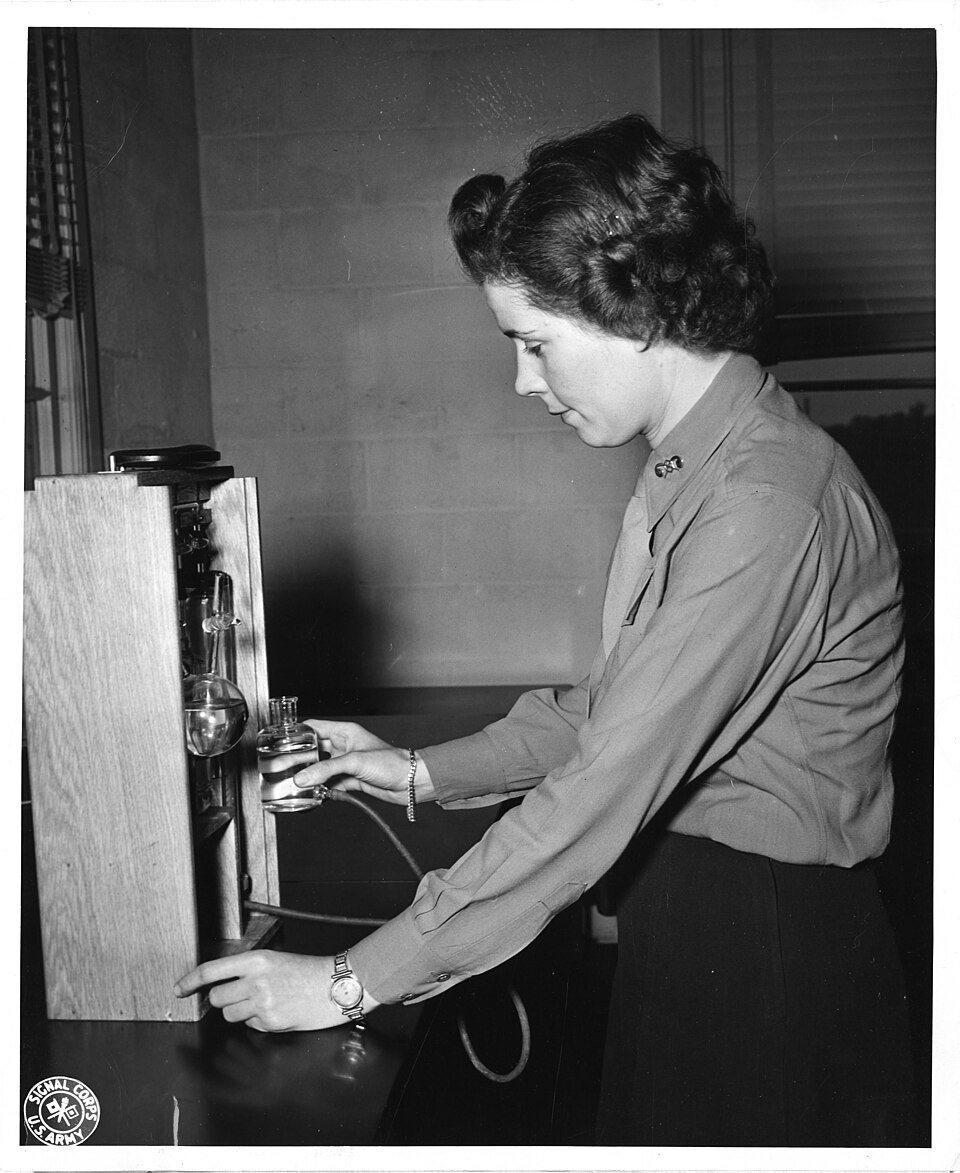
A uniformed woman officer adjusts glass flasks on a wooden laboratory apparatus.
Women's Army Corps Lt. Margaret V. Dunham at laboratory equipment in the Chemical Warfare Service Medical Division, Edgewood Arsenal, Maryland, 1943. U.S. Army Signal Corps photo. U.S. Army Signal Corps, via Smithsonian Institution, No restrictions. Source.
Case 011942 to 1945 · U.S. Military

World War II Mustard Gas Experiments

The military gassed its own troops and told them it might only irritate their skin.

They Said
Some men were told the gas might cause nothing worse than minor skin irritation.
The Record
Researchers already knew mustard gas and Lewisite cause serious injury. Then the men were sworn to secrecy, which made it hard to tell even their own doctors.
The Damage
Chemical burns, lung damage, and eye injuries, and later chronic respiratory disease and cancers.

During World War II, U.S. military researchers deliberately exposed service members to mustard gas, Lewisite, and related chemical agents to study chemical warfare. The danger was not a mystery. These agents had been used as weapons, and the researchers running the tests understood they could cause serious injury.

Some of the men were told something else: that exposure might produce only minor skin irritation. Afterward, secrecy rules bound them, which made it hard to tell doctors, or anyone, what had been done to them. Military researchers knowingly understated the danger to the people they were testing.

The Record
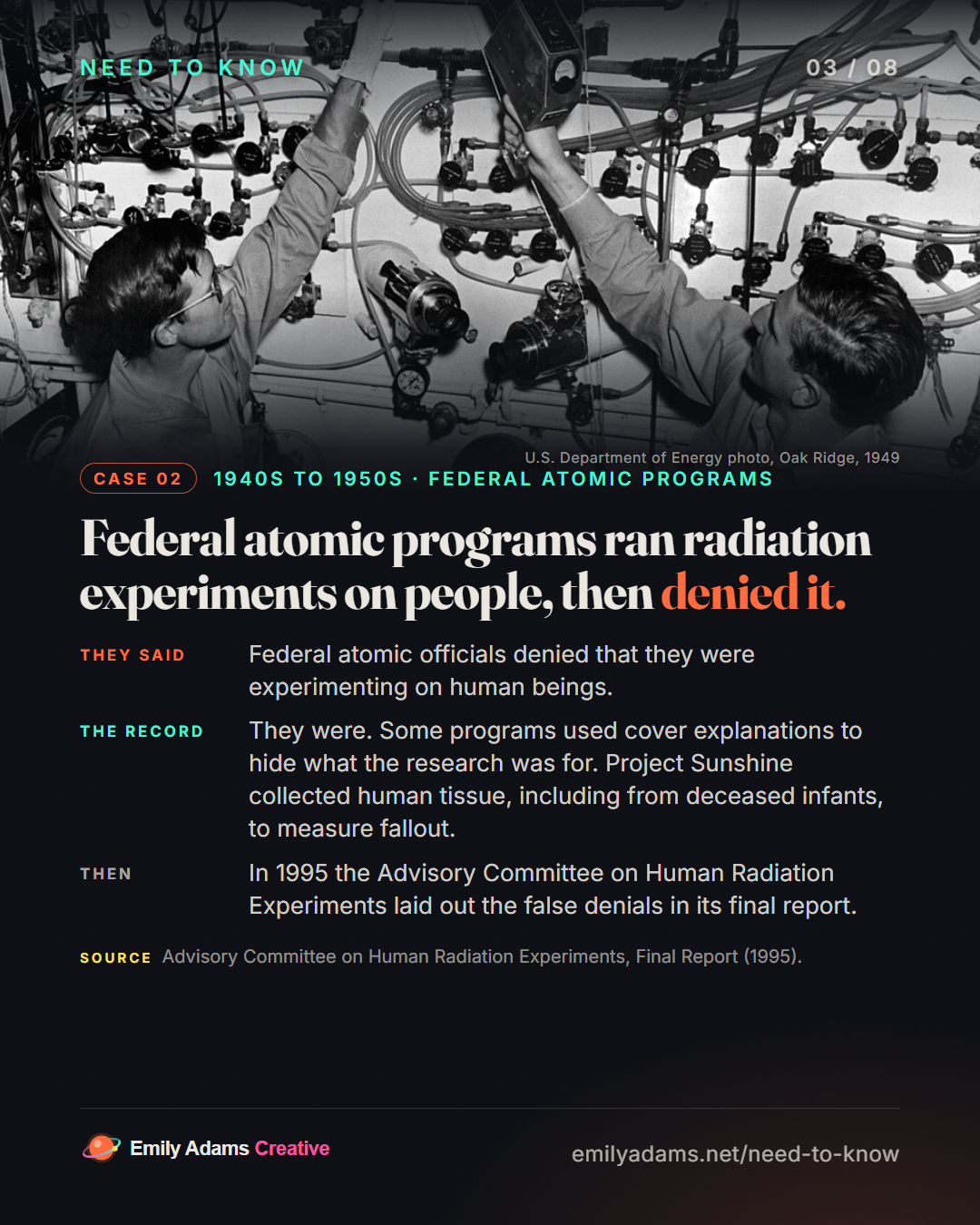
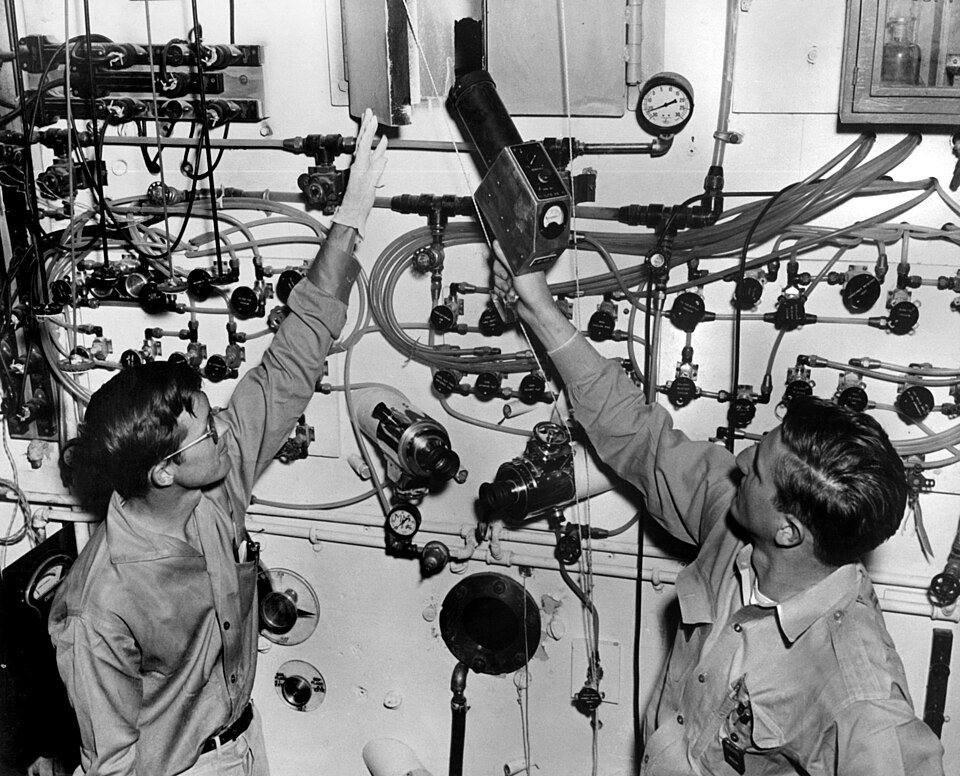
Two health physics workers hold a handheld radiation meter up to a wall of laboratory piping and valves.
Health physics workers check laboratory equipment with a handheld radiation meter at Oak Ridge, Tennessee, February 23, 1949. U.S. Department of Energy photo by E. M. Huff. U.S. Department of Energy, E. M. Huff, Public domain. Source.
Case 021940s to 1950s · Federal Atomic Programs

Human Radiation Experiments and Project Sunshine

Federal atomic programs ran radiation experiments on people, then denied it.

They Said
Federal atomic officials denied that they were experimenting on human beings.
The Record
They were. Some programs used cover explanations to hide what the research was for. Project Sunshine collected human tissue, including from deceased infants, to measure fallout.
Then
In 1995 the Advisory Committee on Human Radiation Experiments laid out the false denials in its final report.

Federal atomic research programs sponsored experiments that exposed people to radiation and collected biological samples to study radioactive contamination. These were civilian atomic agencies, but their work was tied directly to nuclear weapons and national defense.

When questions came, atomic authorities made false denials about human experimentation. Some programs ran under cover explanations that hid their real purpose. Project Sunshine gathered human tissue, including tissue from deceased infants, to measure how much fallout was building up in people’s bodies.

The Record
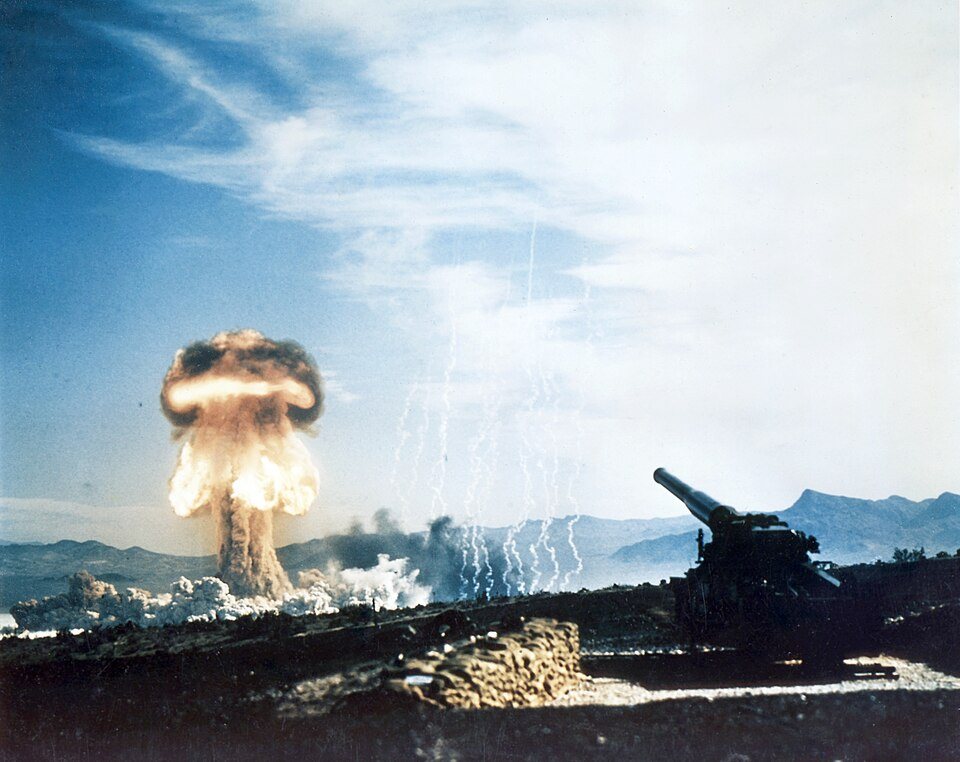
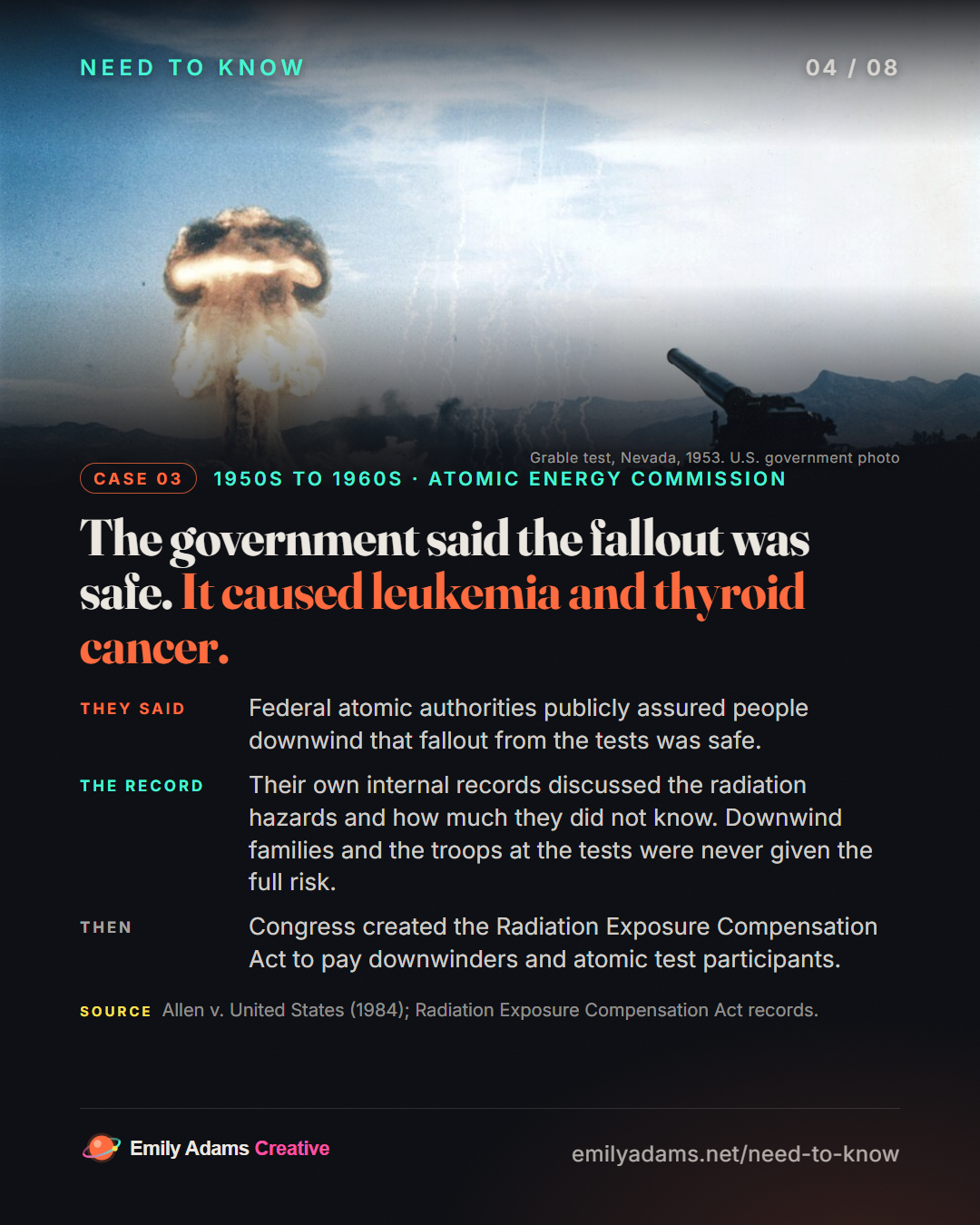
A fiery mushroom cloud rises over the Nevada desert, with mountains behind it and a large artillery cannon in the foreground.
A mushroom cloud rises from the Grable shot, a 15 kiloton atomic artillery test at Frenchman Flat on the Nevada Proving Ground, May 25, 1953, with a 280 mm cannon in the foreground. U.S. government photo. Federal government of the United States, Public domain. Source.
Case 031950s to 1960s · Atomic Energy Commission

Atomic Weapons Testing and Fallout

The government said the fallout was safe. It caused leukemia and thyroid cancer.

They Said
Federal atomic authorities publicly assured people downwind that fallout from the tests was safe.
The Record
Their own internal records discussed the radiation hazards and how much they did not know. Downwind families and the troops at the tests were never given the full risk.
Then
Congress created the Radiation Exposure Compensation Act to pay downwinders and atomic test participants.

Above-ground nuclear tests in the 1950s and early 1960s sent radioactive fallout over civilian communities downwind and over the military personnel stationed at the tests. Most of the public reassurance came from the Atomic Energy Commission, the civilian agency that ran the weapons program, rather than from the armed forces themselves.

The reassurances did not match what was being said inside. Internal records acknowledged the hazards and the uncertainty, while the public was told the fallout was safe. The risks were not communicated fully or promptly. Radiation exposure is now an established cause of cancers including leukemia and thyroid cancer, and the federal government pays compensation under the Radiation Exposure Compensation Act.

The Record
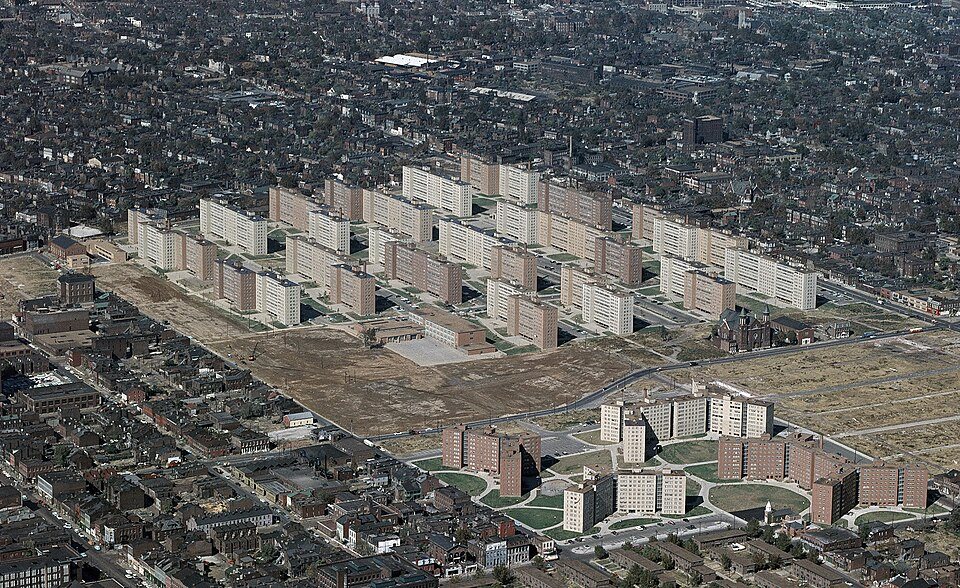
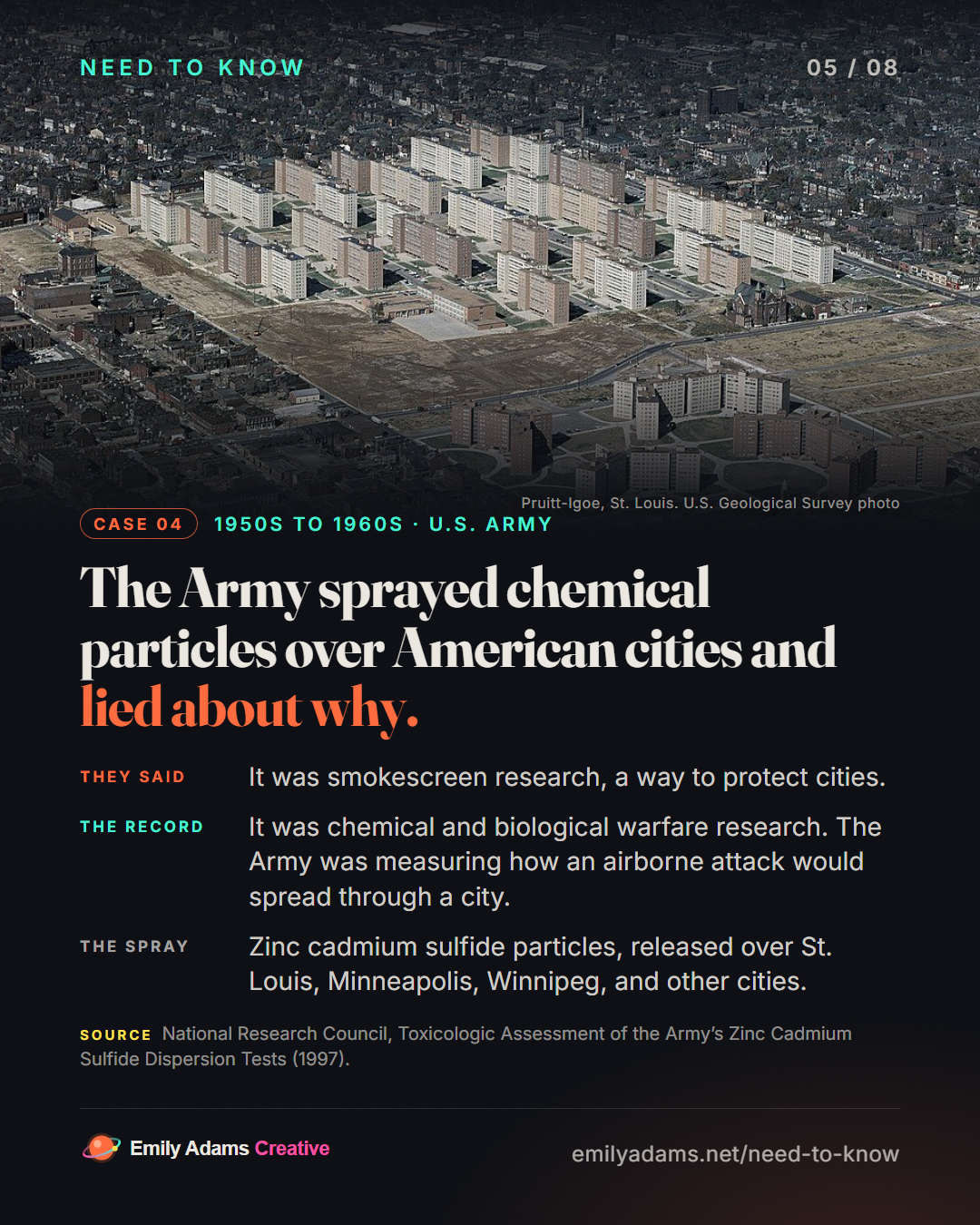
Aerial view of the high-rise towers of the Pruitt-Igoe housing complex in St. Louis.
The Pruitt-Igoe housing complex in St. Louis, Missouri, in a U.S. Geological Survey aerial photo. United States Geological Survey, Public domain. Source.
Case 041950s to 1960s · U.S. Army

The Army’s City Spraying Tests

The Army sprayed chemical particles over American cities and lied about why.

They Said
It was smokescreen research, a way to protect cities.
The Record
It was chemical and biological warfare research. The Army was measuring how an airborne attack would spread through a city.
The Spray
Zinc cadmium sulfide particles, released over St. Louis, Minneapolis, Winnipeg, and other cities.

In the 1950s and 1960s, the Army released zinc cadmium sulfide particles over St. Louis, Minneapolis, Winnipeg, and other cities to study how particles travel through the air. The research was about chemical and biological warfare: how an attack would spread over a populated area.

That is not what the cities were told. The Army used a cover story that described the work as smokescreen or urban-protection research. The people living under the spray were never told its real purpose. This was a deliberate misrepresentation of an exposure experiment on civilians.

The Record
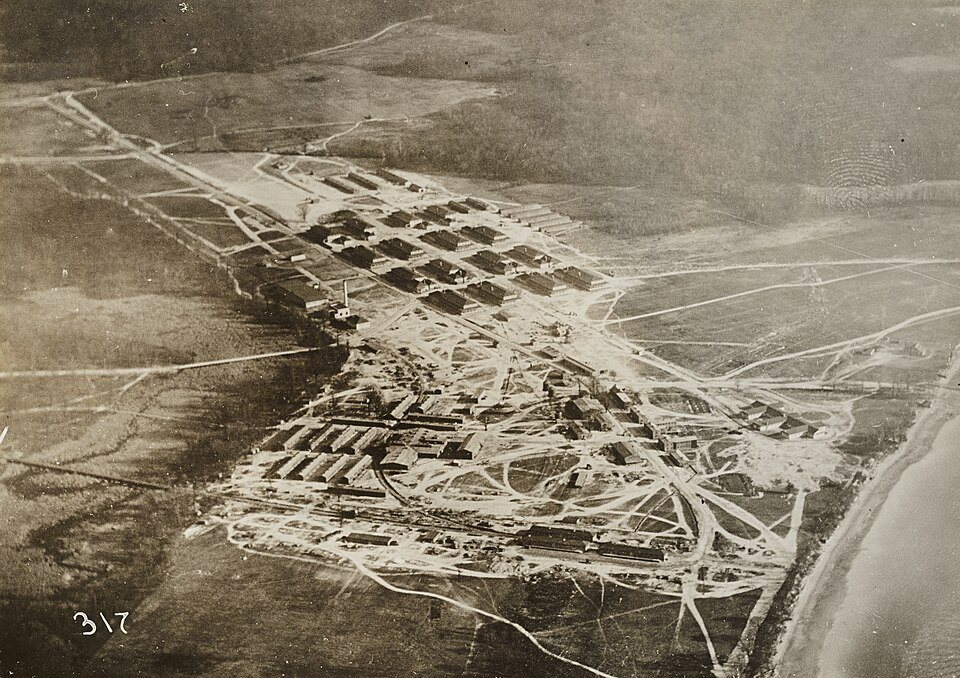
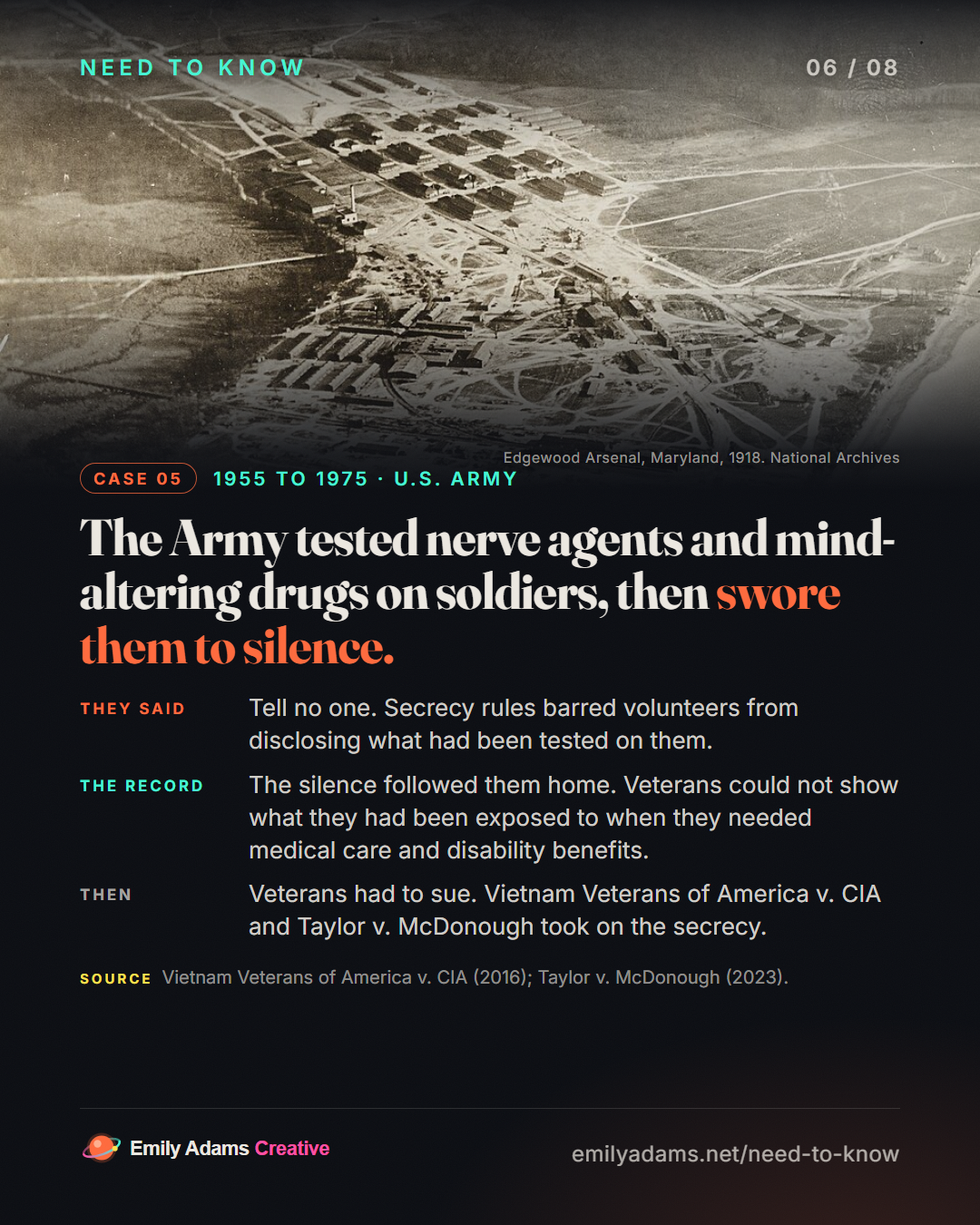
Aerial view of the buildings and grounds of Edgewood Arsenal, Maryland, in 1918.
Edgewood Arsenal, Maryland, seen from the air in 1918, decades before the Army's 1955 to 1975 human tests there. National Archives photo. War Department photo, National Archives and Records Administration, Public domain. Source.
Case 051955 to 1975 · U.S. Army

Edgewood Arsenal Experiments

The Army tested nerve agents and mind-altering drugs on soldiers, then swore them to silence.

They Said
Tell no one. Secrecy rules barred volunteers from disclosing what had been tested on them.
The Record
The silence followed them home. Veterans could not show what they had been exposed to when they needed medical care and disability benefits.
Then
Veterans had to sue. Vietnam Veterans of America v. CIA and Taylor v. McDonough took on the secrecy.

For two decades, military volunteers at Edgewood Arsenal in Maryland took part in classified experiments with nerve agents, psychoactive drugs, and incapacitating chemicals.

The Army deliberately restricted what they could say about it. Those secrecy rules later kept veterans from documenting their exposures when they sought care and filed disability claims. Veterans challenged the consent they were given, the disclosure, the lack of notification, and the lack of medical support, and federal courts took up what that government-imposed secrecy cost them. Some veterans have service-connected disabilities from the tests; the long-term effects depend on the chemical and the dose.

The Record
  • Vietnam Veterans of America v. CIA (2016)
  • Taylor v. McDonough (2023)
  • Department of Defense, Edgewood Arsenal historical investigations
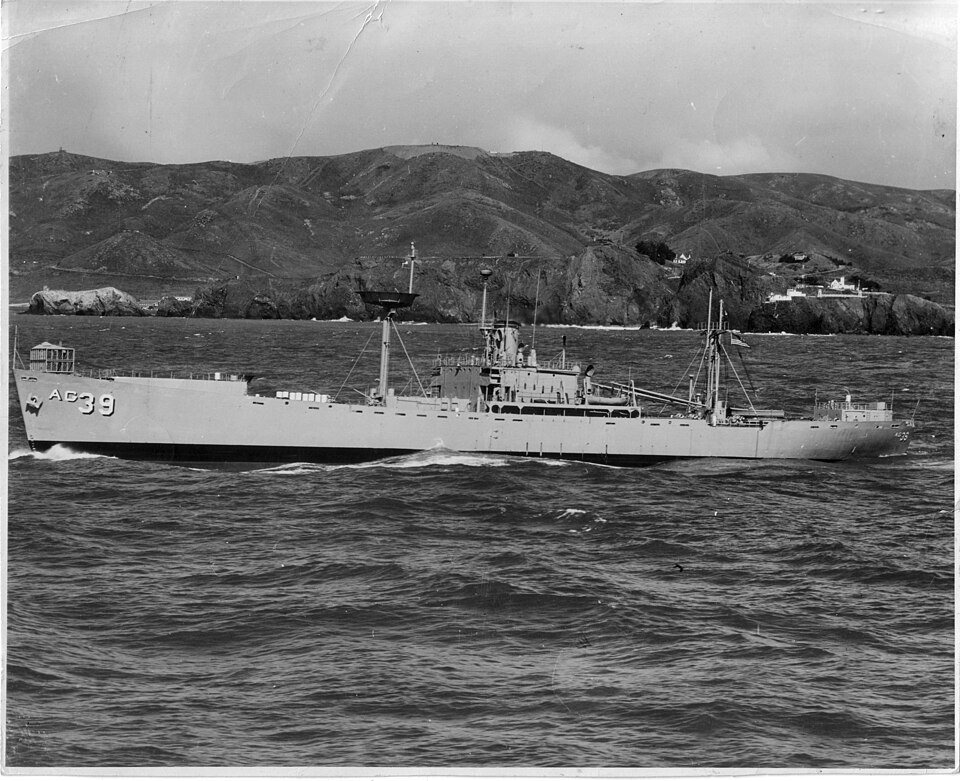
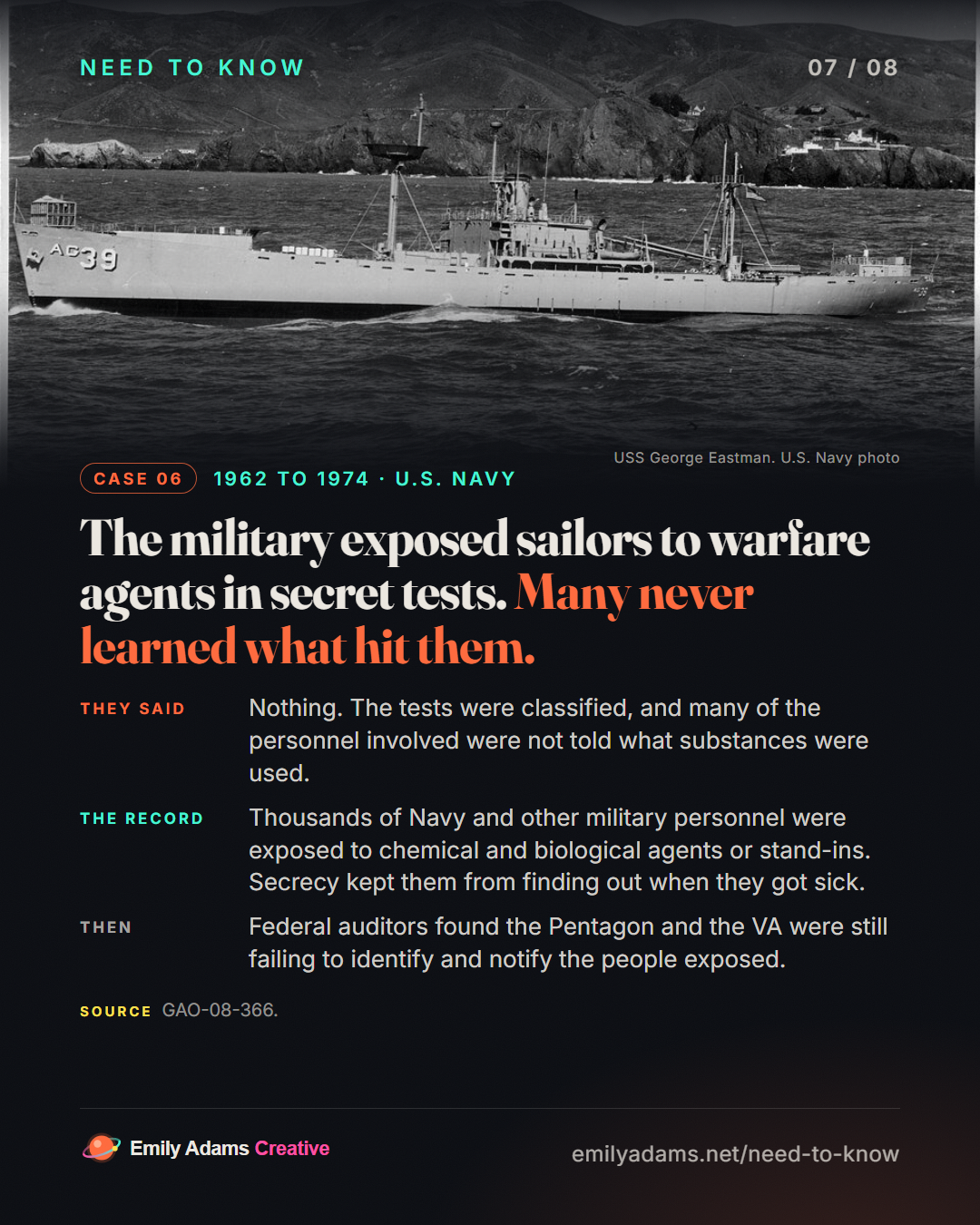
The Navy test ship George Eastman under way, fitted with masts and scientific equipment.
USS George Eastman (YAG-39), a Navy test ship later used in Project SHAD, under way after its refit with scientific equipment. U.S. Navy photo. U.S. Navy (declassified photograph), Public domain. Source.
Case 061962 to 1974 · U.S. Navy

Project SHAD (Shipboard Hazard and Defense)

The military exposed sailors to warfare agents in secret tests. Many never learned what hit them.

They Said
Nothing. The tests were classified, and many of the personnel involved were not told what substances were used.
The Record
Thousands of Navy and other military personnel were exposed to chemical and biological agents or stand-ins. Secrecy kept them from finding out when they got sick.
Then
Federal auditors found the Pentagon and the VA were still failing to identify and notify the people exposed.

From 1962 to 1974, Project SHAD ran classified tests at sea using chemical and biological warfare agents or simulants. Thousands of Navy and other military personnel were part of them, and many did not know what was being used on or around them.

The secrecy outlasted the tests. When veterans got sick and asked about the experiments, classification stood in the way. The Government Accountability Office found that the Defense Department and the VA had fallen short in identifying and notifying the people who were exposed.

The Record
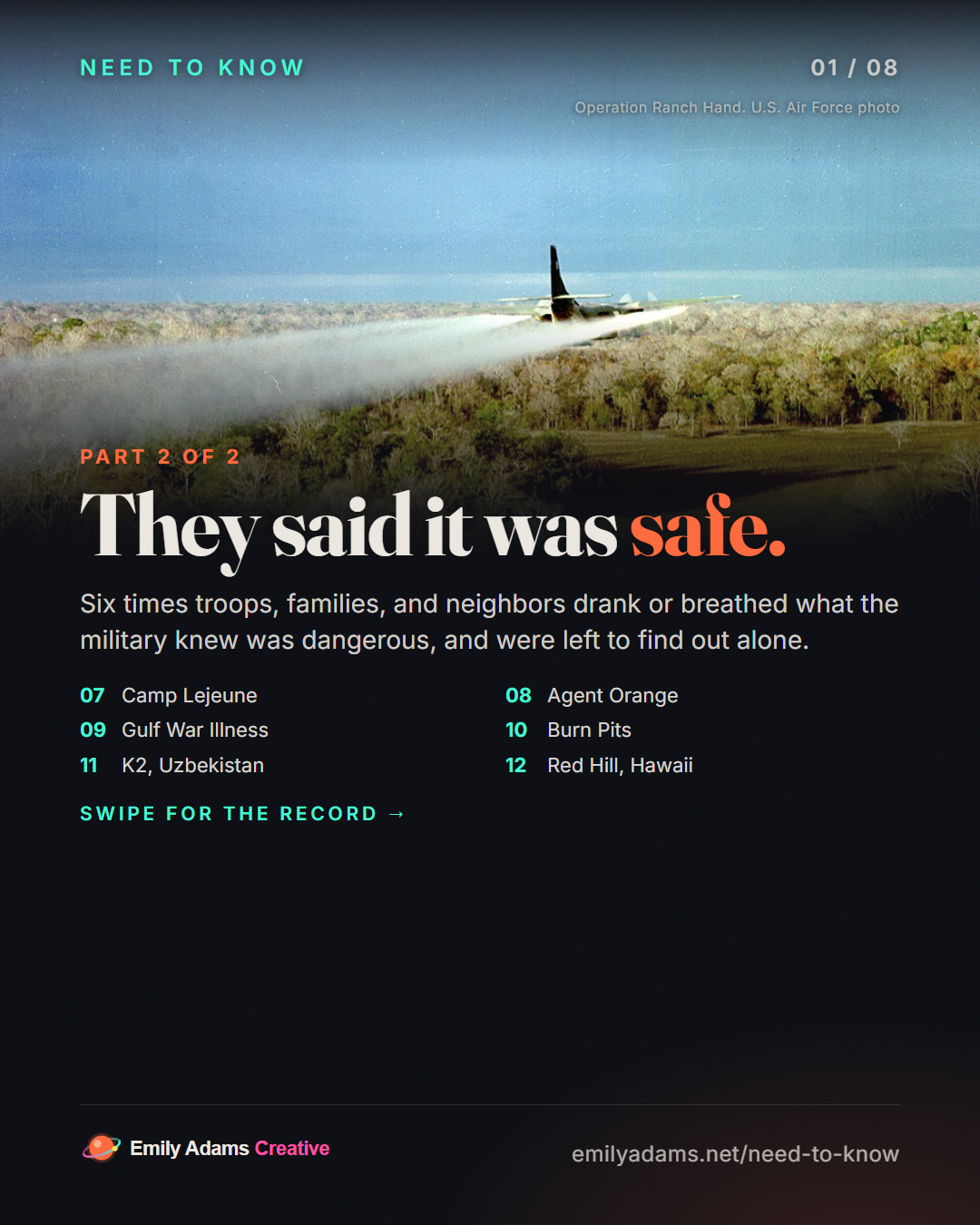
Part 2

They Said It Was Safe

These exposures came from bases, wars, and fuel lines. Each time, the people drinking and breathing it were the last to know.

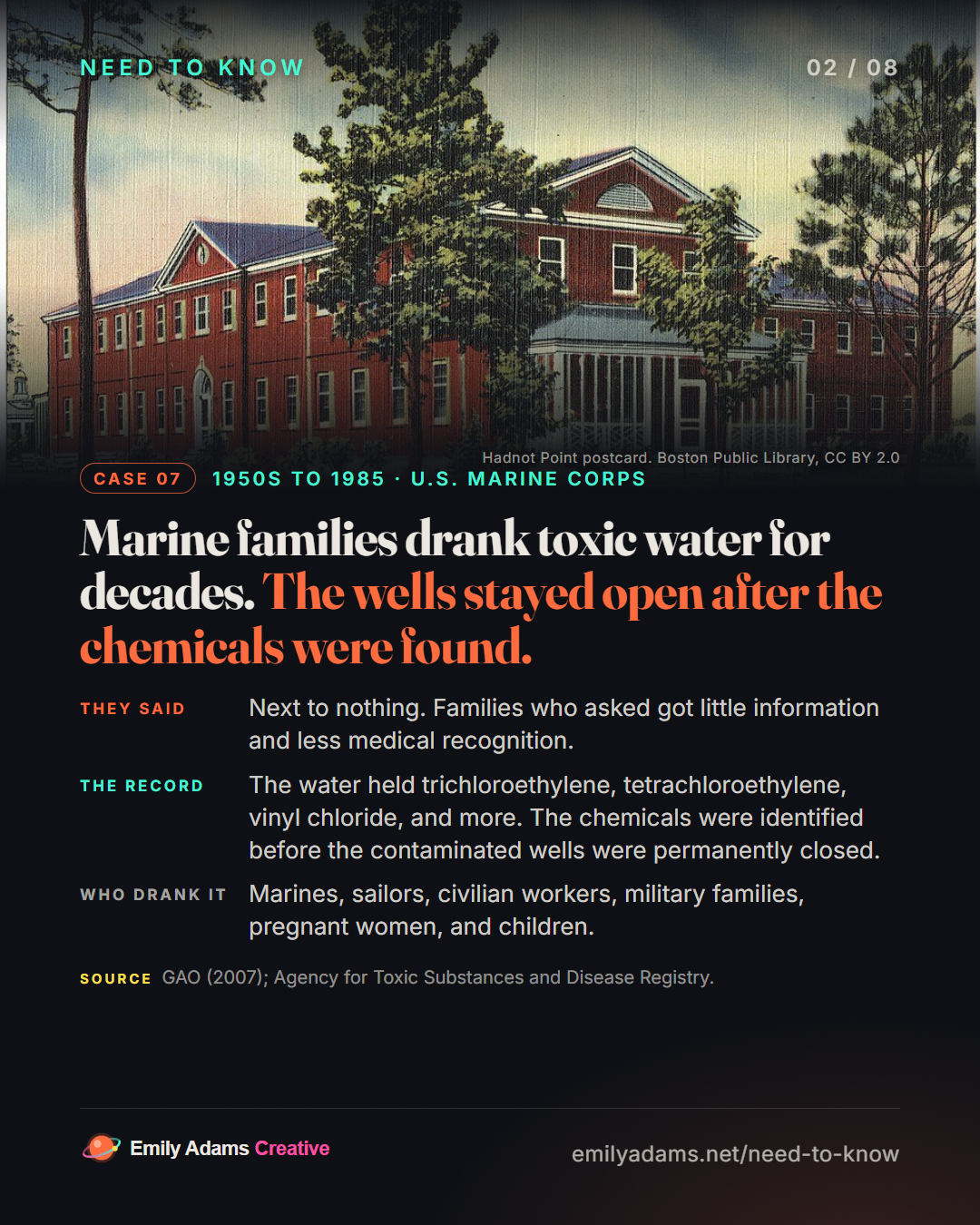
Hand-tinted postcard of a two-story red brick building with a screened porch among pine trees at Hadnot Point, Camp Lejeune.
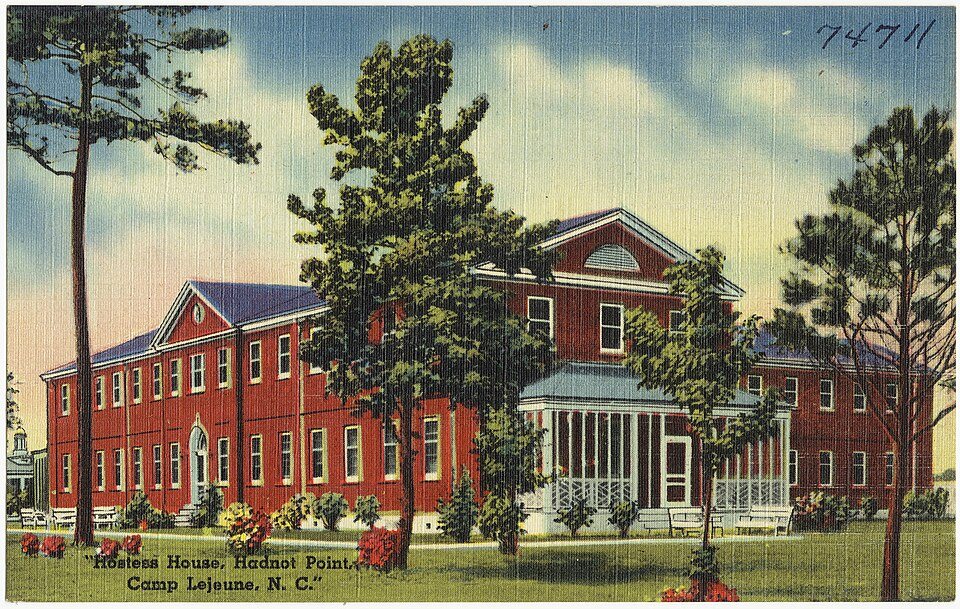
The Hostess House at Hadnot Point, Marine Corps Base Camp Lejeune, North Carolina, on a 1940s Tichnor Brothers postcard. Boston Public Library. Boston Public Library, CC BY 2.0. Source.
Case 071950s to 1985 · U.S. Marine Corps

Camp Lejeune’s Drinking Water

Marine families drank toxic water for decades. The wells stayed open after the chemicals were found.

They Said
Next to nothing. Families who asked got little information and less medical recognition.
The Record
The water held trichloroethylene, tetrachloroethylene, vinyl chloride, and more. The chemicals were identified before the contaminated wells were permanently closed.
Who Drank It
Marines, sailors, civilian workers, military families, pregnant women, and children.

For decades, the drinking water at Marine Corps Base Camp Lejeune in North Carolina was contaminated with trichloroethylene (TCE), tetrachloroethylene (PCE), vinyl chloride, and other hazardous chemicals. Everyone on base drank it: Marines, sailors, civilian employees, and families, including pregnant women and children.

The hazardous substances were identified before the contaminated wells were permanently closed. Communication and cleanup were inadequate, and former residents spent years fighting for information and medical recognition. Federal investigations documented the institutional failures.

The Record
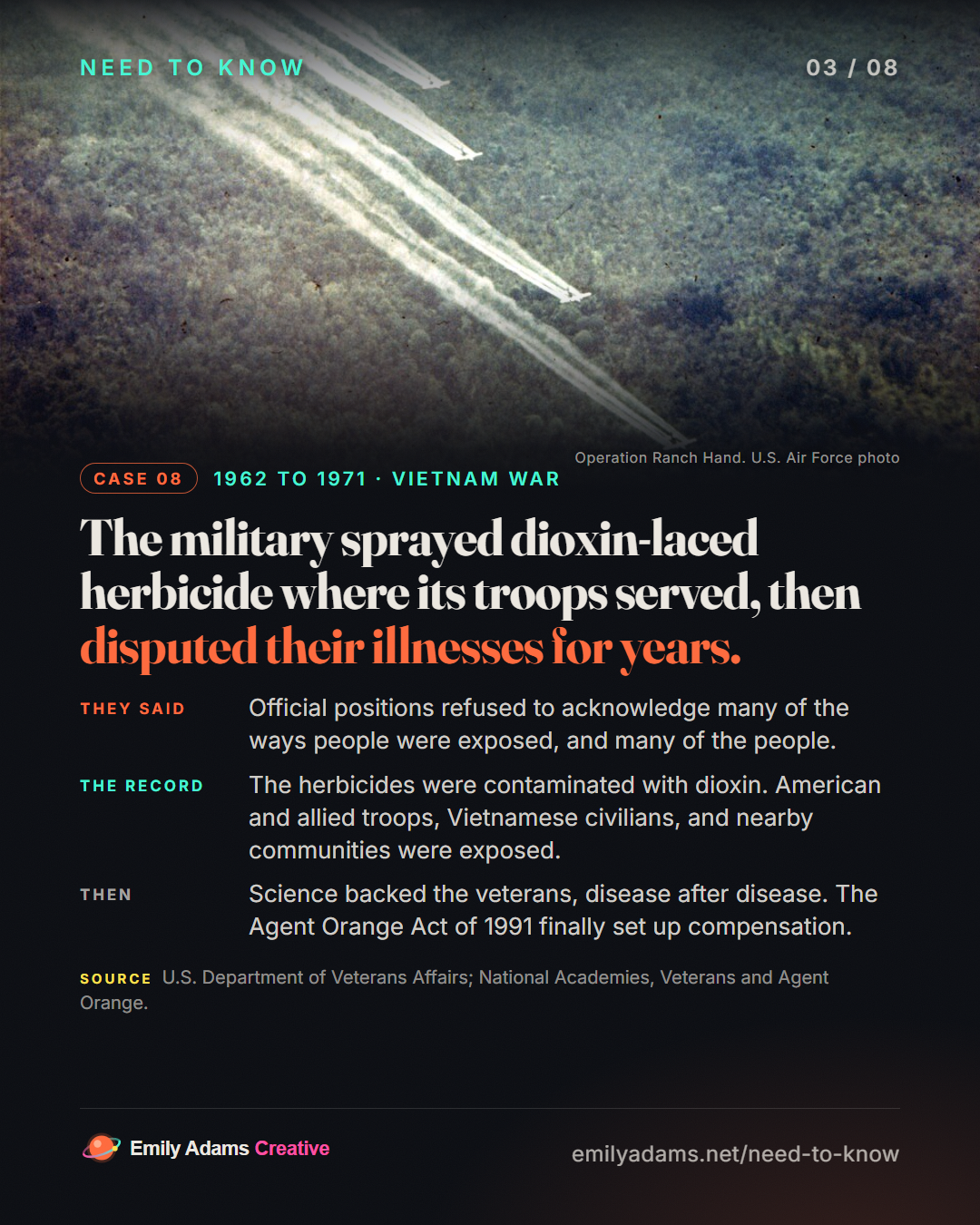
Four C-123 aircraft fly low in formation, trailing defoliant spray over the forest.
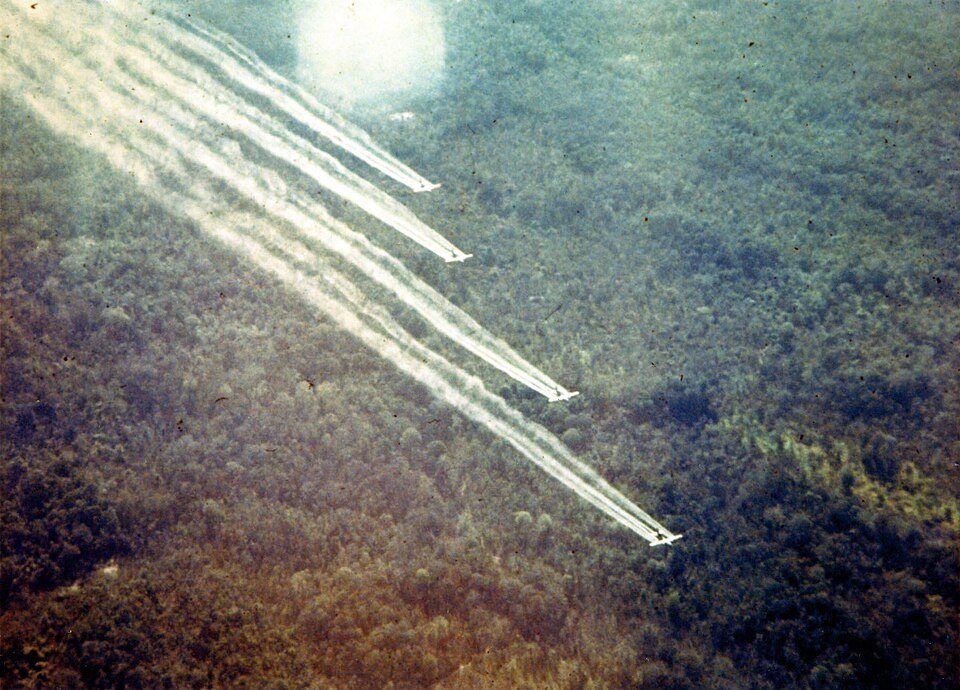
Four U.S. Air Force UC-123B aircraft fly a defoliant spray run over South Vietnam during Operation Ranch Hand. U.S. Air Force photo. USAF, Public domain. Source.
Case 081962 to 1971 · Vietnam War

Agent Orange and Tactical Herbicides

The military sprayed dioxin-laced herbicide where its troops served, then disputed their illnesses for years.

They Said
Official positions refused to acknowledge many of the ways people were exposed, and many of the people.
The Record
The herbicides were contaminated with dioxin. American and allied troops, Vietnamese civilians, and nearby communities were exposed.
Then
Science backed the veterans, disease after disease. The Agent Orange Act of 1991 finally set up compensation.

From 1962 to 1971, the U.S. military sprayed tactical herbicides contaminated with dioxin during the Vietnam War. The operations exposed American and allied service members, Vietnamese civilians, and the communities around them.

For years, official positions limited which exposures and which people the government would acknowledge. Veterans reported illnesses that were disputed or ignored. The science caught up and supported presumptive recognition of disease after disease, and the Agent Orange Act of 1991 created the compensation framework veterans had been asking for.

The Record
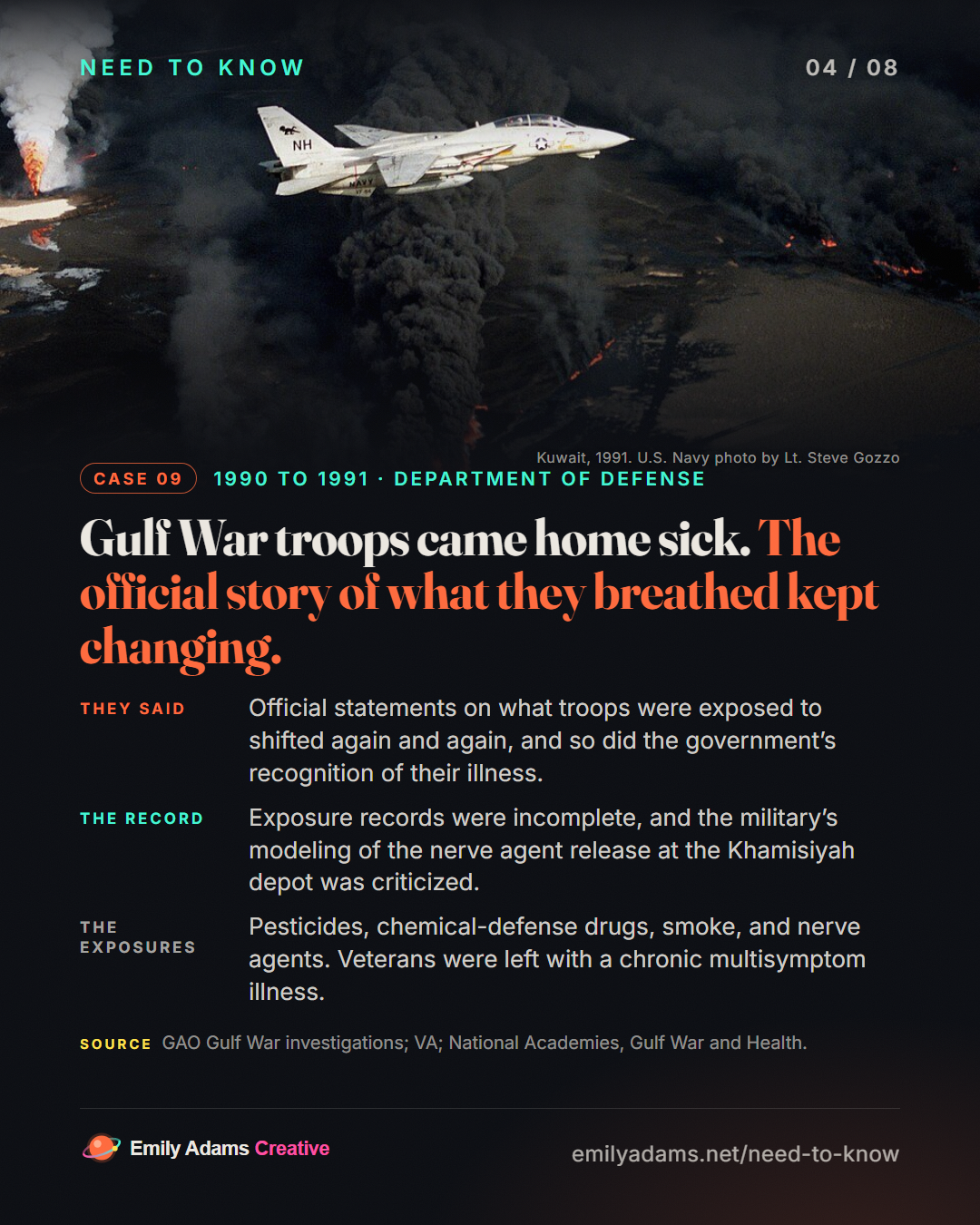
A U.S. Navy F-14 fighter jet flies over a burning oil well and its column of black smoke in Kuwait.
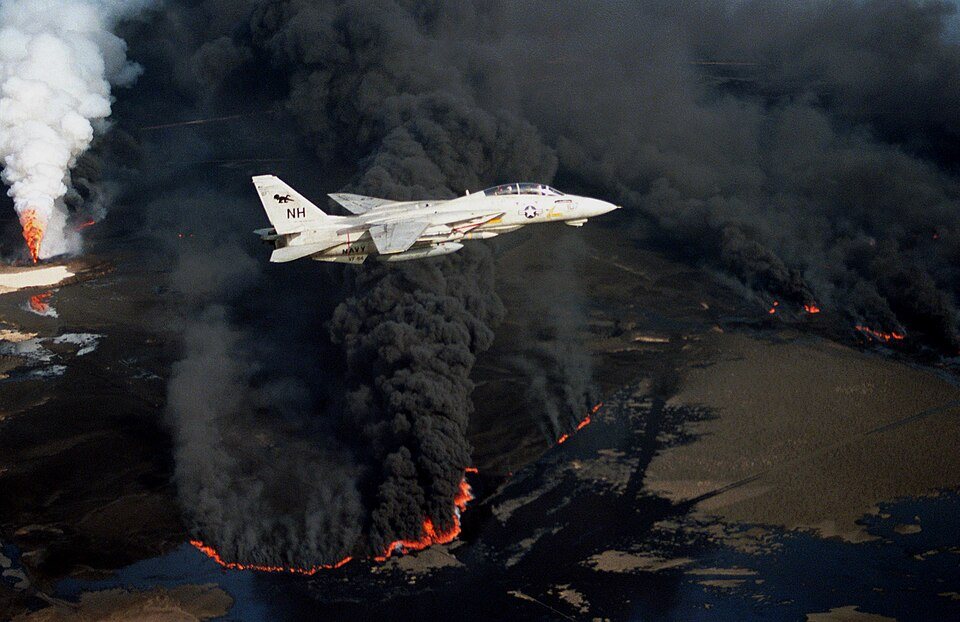
A U.S. Navy F-14A Tomcat of Fighter Squadron 114 flies over oil wells set ablaze by Iraqi troops in Kuwait, 1991. U.S. Navy photo. Lt. Steve Gozzo, U.S. Navy, Public domain. Source.
Case 091990 to 1991 · Department of Defense

Gulf War Illness and Khamisiyah

Gulf War troops came home sick. The official story of what they breathed kept changing.

They Said
Official statements on what troops were exposed to shifted again and again, and so did the government’s recognition of their illness.
The Record
Exposure records were incomplete, and the military’s modeling of the nerve agent release at the Khamisiyah depot was criticized.
The Exposures
Pesticides, chemical-defense drugs, smoke, and nerve agents. Veterans were left with a chronic multisymptom illness.

U.S. service members deployed to the Persian Gulf War were exposed to combinations of pesticides, chemical-defense agents, smoke, nerve agents, and other hazards. Many came home with a chronic multisymptom illness.

The record of what they were exposed to was incomplete. The exposure models, including the modeling of the nerve agent release when U.S. troops demolished the Khamisiyah depot, drew criticism. Official statements and government recognition of veterans’ illnesses changed over time, and veterans waited through every revision.

The Record
  • GAO investigations of Gulf War exposures
  • U.S. Department of Veterans Affairs, Gulf War research, and National Academies, Gulf War and Health studies
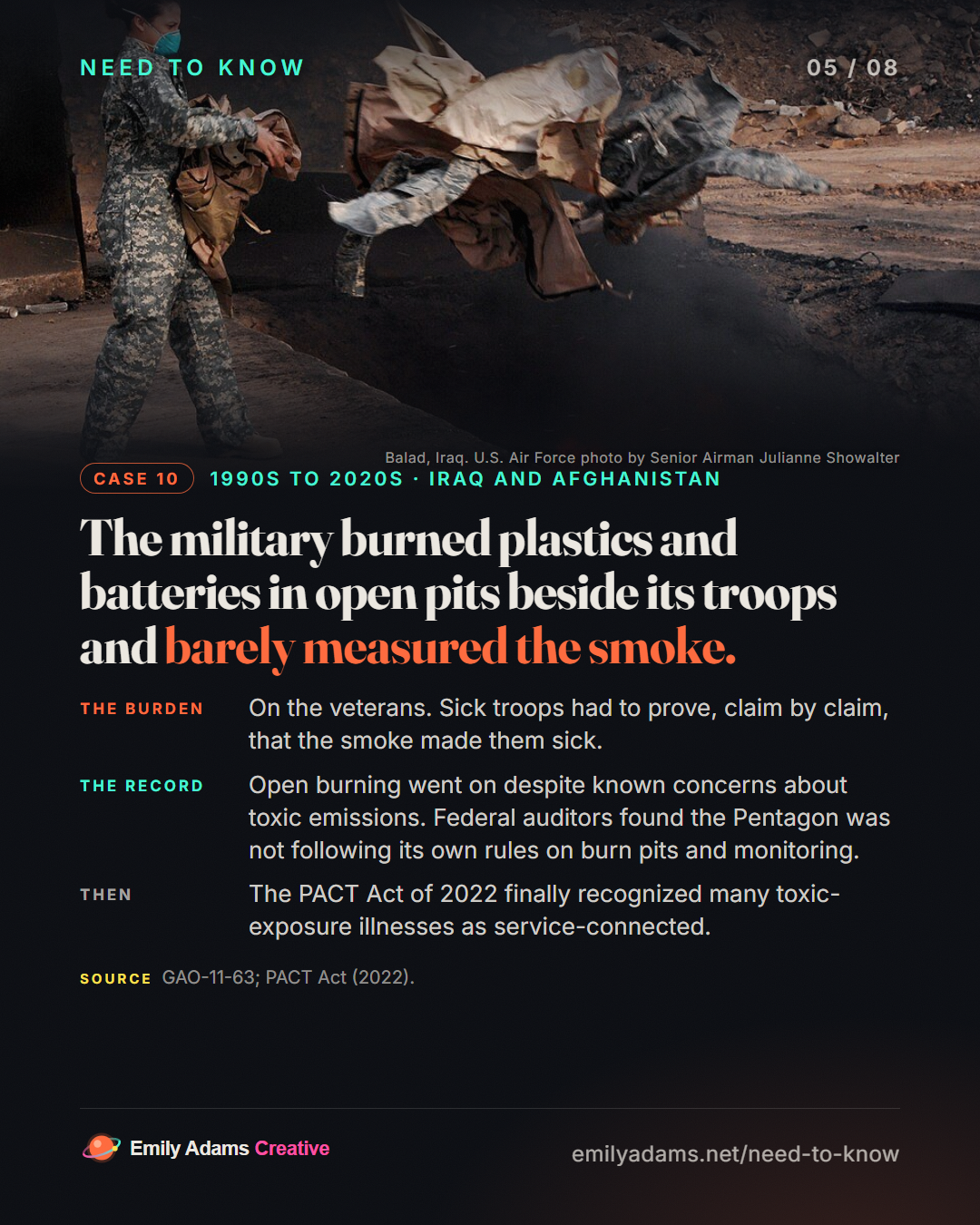
An airman throws worn uniform items into a smoking open-air burn pit.
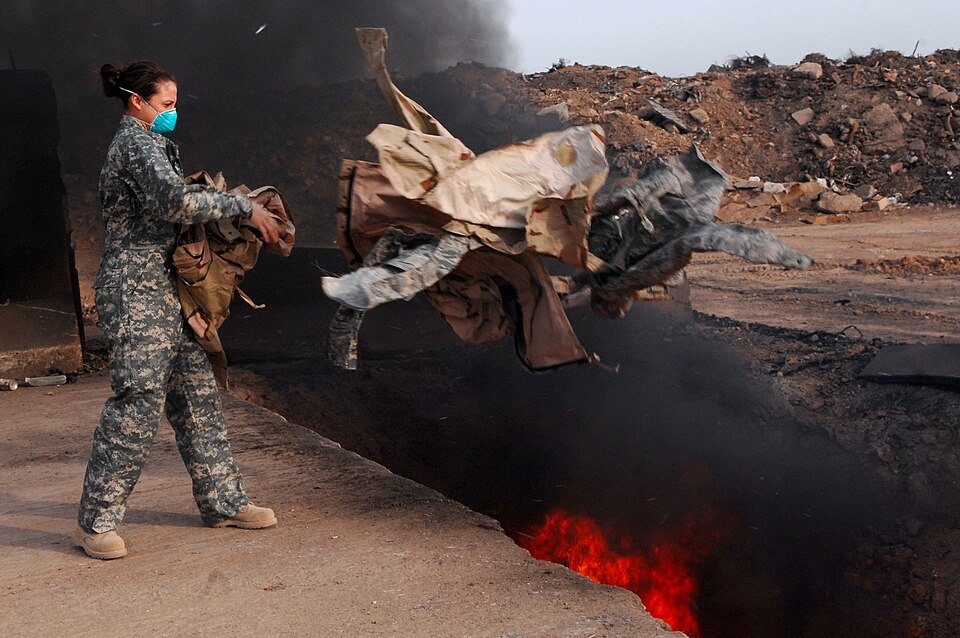
An airman of the 332nd Expeditionary Logistics Readiness Squadron tosses unserviceable uniform items into a burn pit at Balad Air Base, Iraq, March 10, 2008. U.S. Air Force photo. Senior Airman Julianne Showalter, Public domain. Source.
Case 101990s to 2020s · Iraq and Afghanistan

Military Burn Pits

The military burned plastics and batteries in open pits beside its troops and barely measured the smoke.

The Burden
On the veterans. Sick troops had to prove, claim by claim, that the smoke made them sick.
The Record
Open burning went on despite known concerns about toxic emissions. Federal auditors found the Pentagon was not following its own rules on burn pits and monitoring.
Then
The PACT Act of 2022 finally recognized many toxic-exposure illnesses as service-connected.

At bases in Iraq, Afghanistan, and elsewhere, the military burned its waste in open-air pits: plastics, treated materials, batteries, and other hazardous items. The smoke reached U.S. troops, contractors, and nearby civilians.

The burning continued despite concerns about hazardous emissions. Federal auditors found environmental monitoring was insufficient and that waste-management procedures and alternatives were not followed. Veterans who got sick struggled for years to connect their illnesses to their deployments, until the PACT Act of 2022 expanded presumptive recognition of toxic-exposure conditions.

The Record
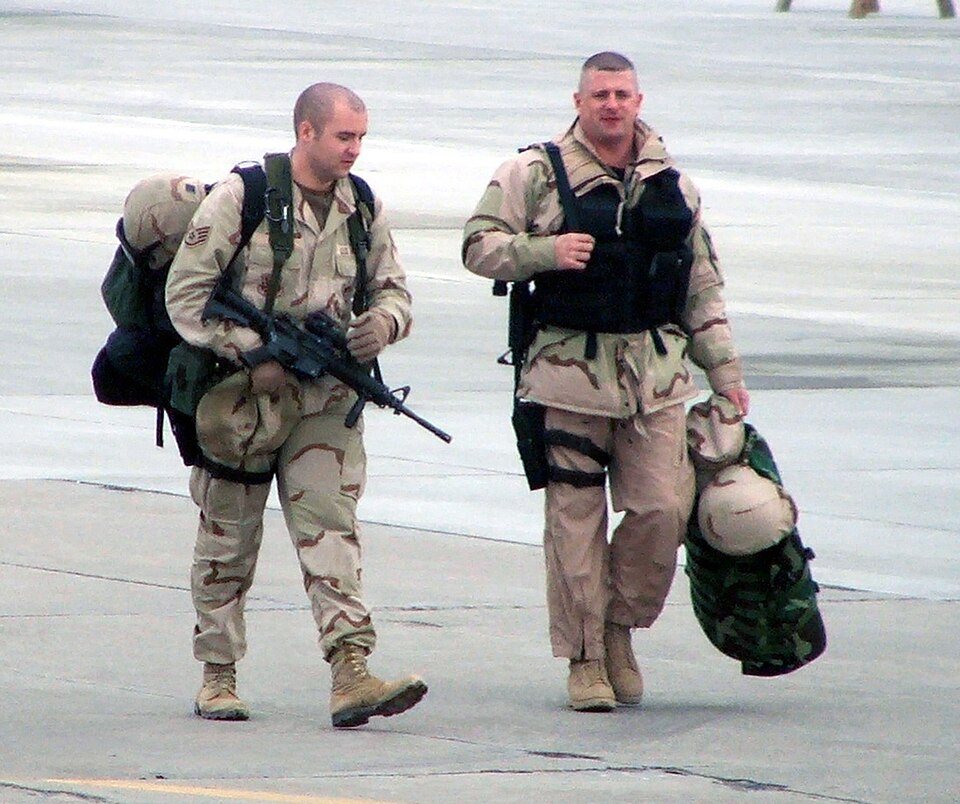
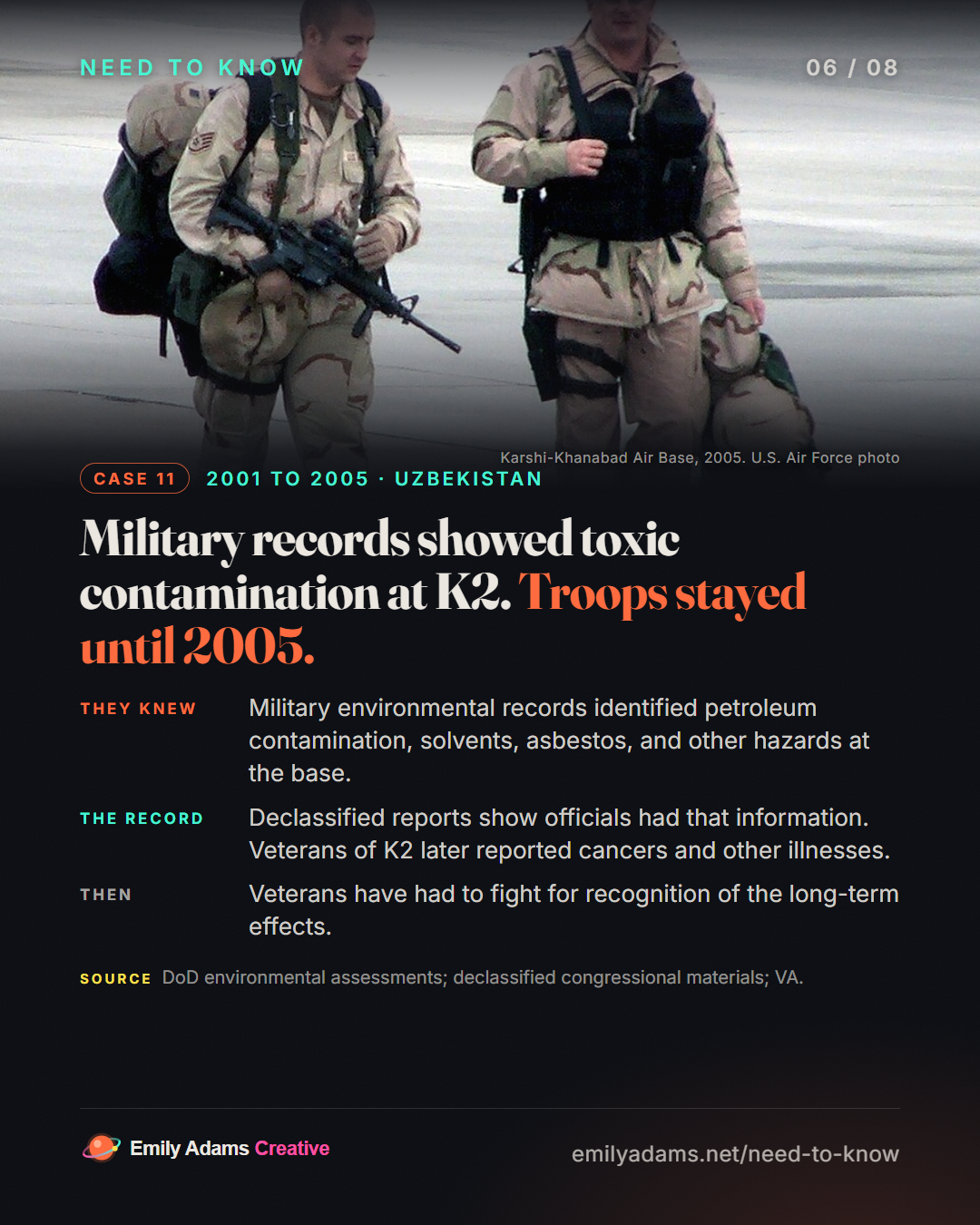
Two U.S. Air Force security personnel walk across the airfield at Karshi-Khanabad Air Base.
Two U.S. Air Force Security Forces airmen walk across the airfield at Karshi-Khanabad Air Base, Uzbekistan, January 23, 2005. U.S. Air Force photo. U.S. Air Force, Tech. Sgt. Scott T. Sturkol, Public domain. Source.
Case 112001 to 2005 · Uzbekistan

Karshi-Khanabad Air Base (K2), Uzbekistan

Military records showed toxic contamination at K2. Troops stayed until 2005.

They Knew
Military environmental records identified petroleum contamination, solvents, asbestos, and other hazards at the base.
The Record
Declassified reports show officials had that information. Veterans of K2 later reported cancers and other illnesses.
Then
Veterans have had to fight for recognition of the long-term effects.

After September 11, U.S. service members deployed to Karshi-Khanabad Air Base in Uzbekistan, known as K2. The base was contaminated with petroleum, solvents, asbestos, and other environmental hazards.

The military’s own environmental records identified those conditions, and declassified reports show officials had the information. Veterans who served there later reported cancers and other health problems and have had to push for recognition of the long-term effects.

The Record
  • Department of Defense environmental assessments, declassified congressional materials, and VA information on K2 exposures
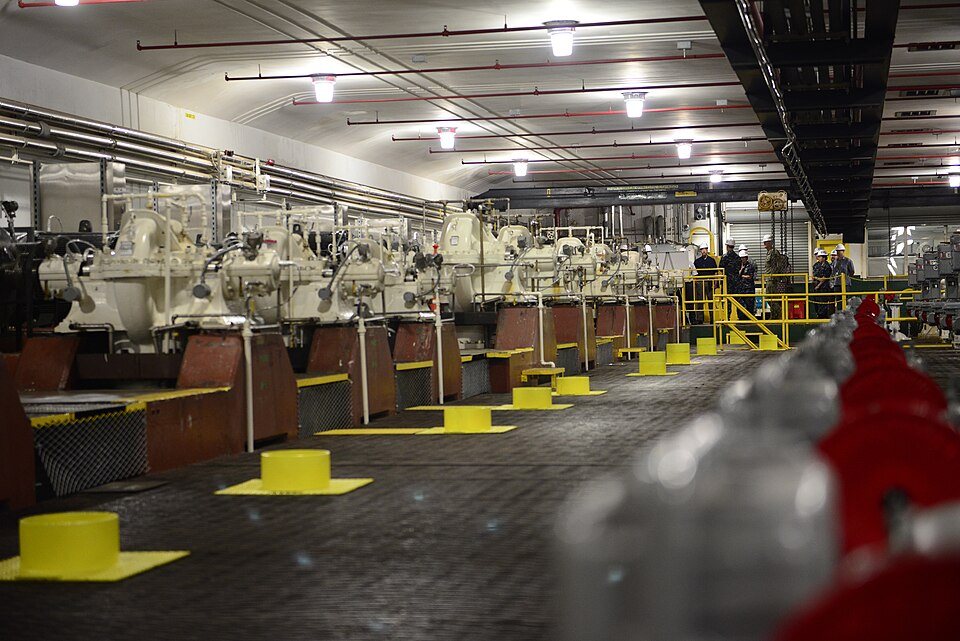
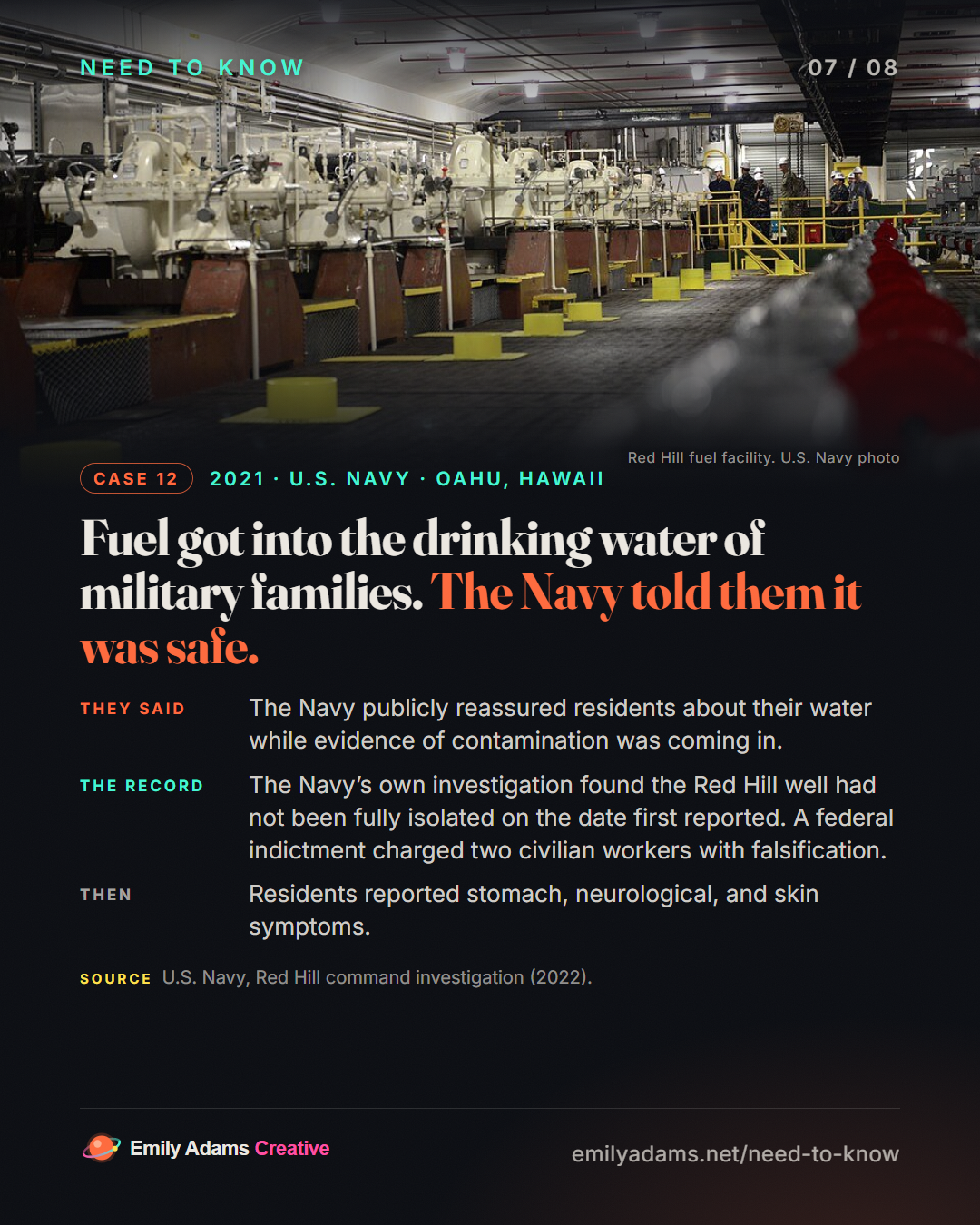
Rows of large fuel pumps in a brightly lit underground gallery at the Red Hill facility, with visitors in hard hats in the background.
Pumps line an underground gallery at the Red Hill Bulk Fuel Storage Facility near Pearl Harbor, Oahu, during a visit by Honolulu Board of Water Supply members, February 19, 2016. U.S. Navy photo. United States Navy Pacific Fleet, Public domain. Source.
Case 122021 · U.S. Navy · Oahu, Hawaii

Red Hill Navy Fuel Contamination

Fuel got into the drinking water of military families. The Navy told them it was safe.

They Said
The Navy publicly reassured residents about their water while evidence of contamination was coming in.
The Record
The Navy’s own investigation found the Red Hill well had not been fully isolated on the date first reported. A federal indictment charged two civilian workers with falsification.
Then
Residents reported stomach, neurological, and skin symptoms.

In 2021, petroleum from the Navy’s Red Hill fuel facility on Oahu contaminated a drinking water system that served military families and civilians.

The Navy issued public safety reassurances while concerns and evidence of contamination were coming in. Later investigations documented inconsistencies in what residents and regulators were told, and found that the Red Hill well had not been fully isolated on the date the Navy first reported. A federal indictment charged two civilian workers with intentional falsification. Residents reported gastrointestinal, neurological, skin, and other symptoms, and their long-term health is being followed.

The Record

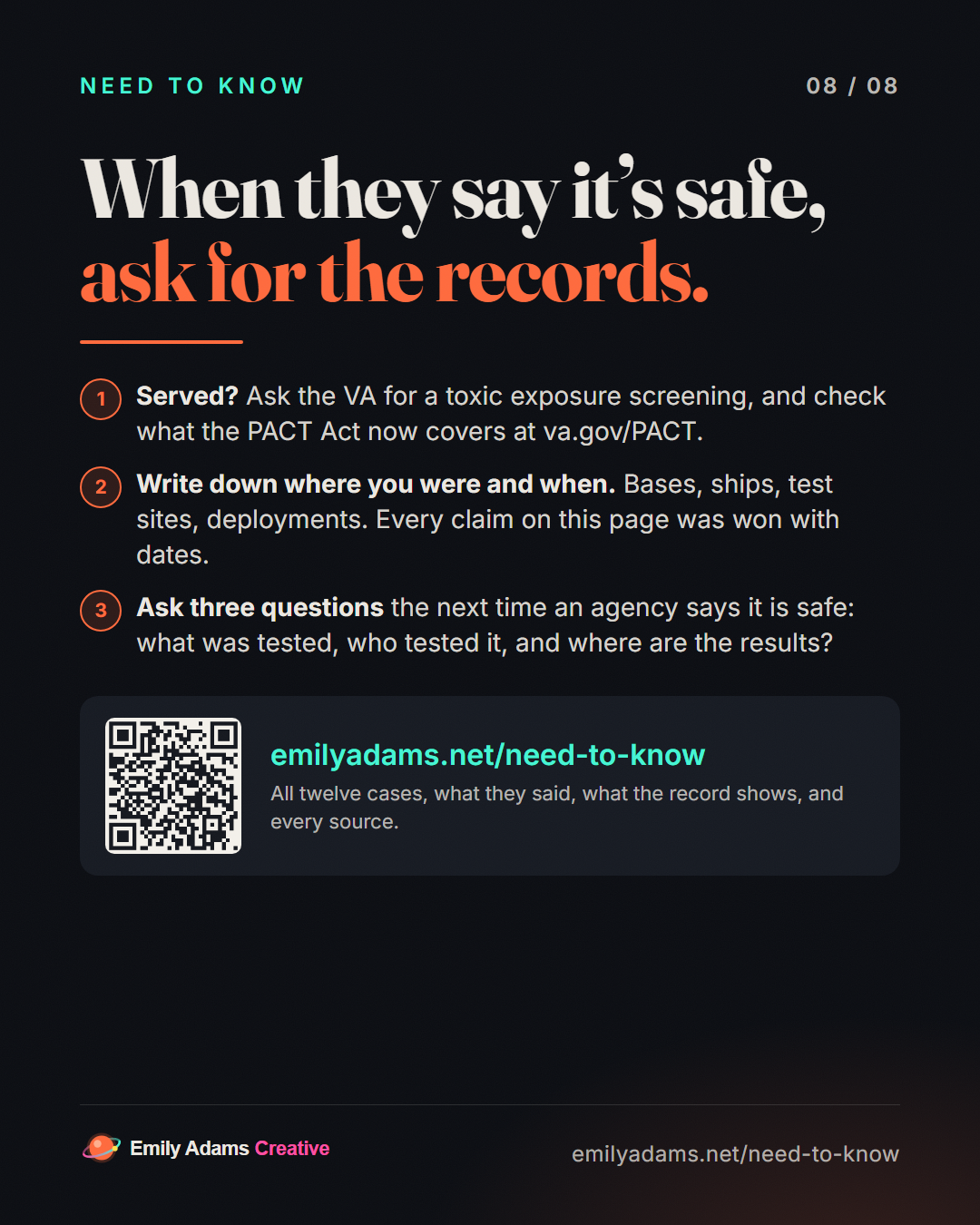
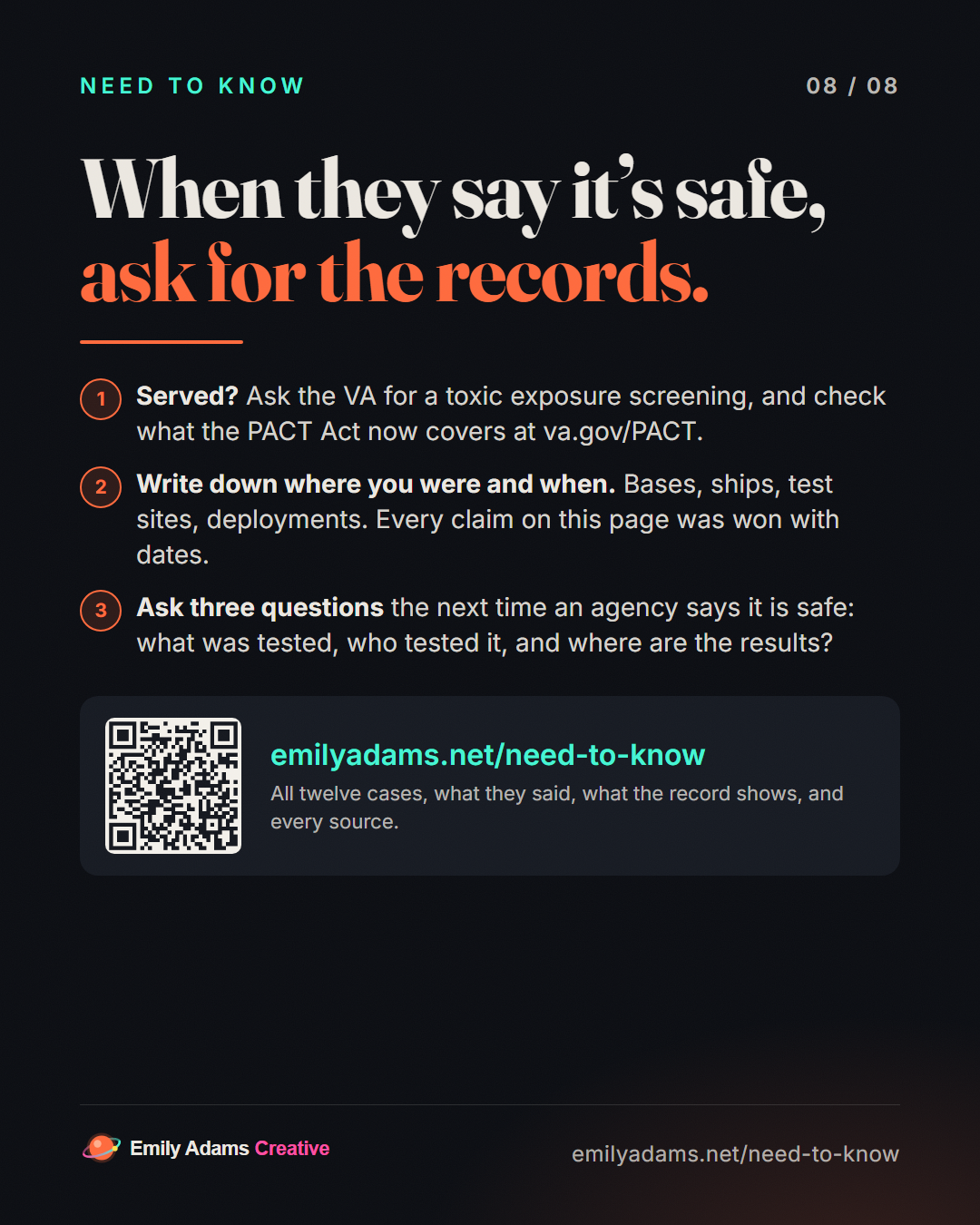
When they say it’s safe, ask for the records.

  1. Served? Ask the VA for a toxic exposure screening, and check what the PACT Act now covers at va.gov/PACT.
  2. Write down where you were and when. Bases, ships, test sites, deployments. Every claim on this page was won with dates.
  3. Ask three questions the next time an agency says it is safe: what was tested, who tested it, and where are the results?

The Cards

Two carousels, 1080 by 1350. Tap one to open it full size.

Sources

  1. National Academies (Institute of Medicine), Veterans at Risk: The Health Effects of Mustard Gas and Lewisite (1993)
  2. Schnurman v. United States (1980)
  3. U.S. Army medical-ethics historical research on the World War II chemical tests
  4. Advisory Committee on Human Radiation Experiments, Final Report (1995)
  5. Allen v. United States (1984)
  6. Federal investigations of atmospheric atomic testing
  7. U.S. Department of Justice, Radiation Exposure Compensation Act
  8. National Research Council, Toxicologic Assessment of the Army's Zinc Cadmium Sulfide Dispersion Tests (1997)
  9. Vietnam Veterans of America v. CIA (2016)
  10. Taylor v. McDonough (2023)
  11. Department of Defense, Edgewood Arsenal historical investigations
  12. GAO-08-366, Chemical and Biological Defense: DOD and VA Need to Improve Efforts to Identify and Notify Individuals Potentially Exposed During Chemical and Biological Tests
  13. GAO, Defense Health Care: Activities Related to Past Drinking Water Contamination at Marine Corps Base Camp Lejeune (2007)
  14. Agency for Toxic Substances and Disease Registry, Camp Lejeune investigations
  15. U.S. Department of Veterans Affairs, Agent Orange historical materials
  16. National Academies, Veterans and Agent Orange research series
  17. GAO investigations of Gulf War exposures
  18. U.S. Department of Veterans Affairs, Gulf War research, and National Academies, Gulf War and Health studies
  19. GAO-11-63, Afghanistan and Iraq: DOD Should Improve Adherence to Its Guidance on Open Pit Burning and Solid Waste Management
  20. U.S. Department of Veterans Affairs, The PACT Act and Your VA Benefits
  21. Department of Defense environmental assessments, declassified congressional materials, and VA information on K2 exposures
  22. U.S. Navy, Red Hill command investigation (FOIA release, June 2022, PDF)