What Fascism Is
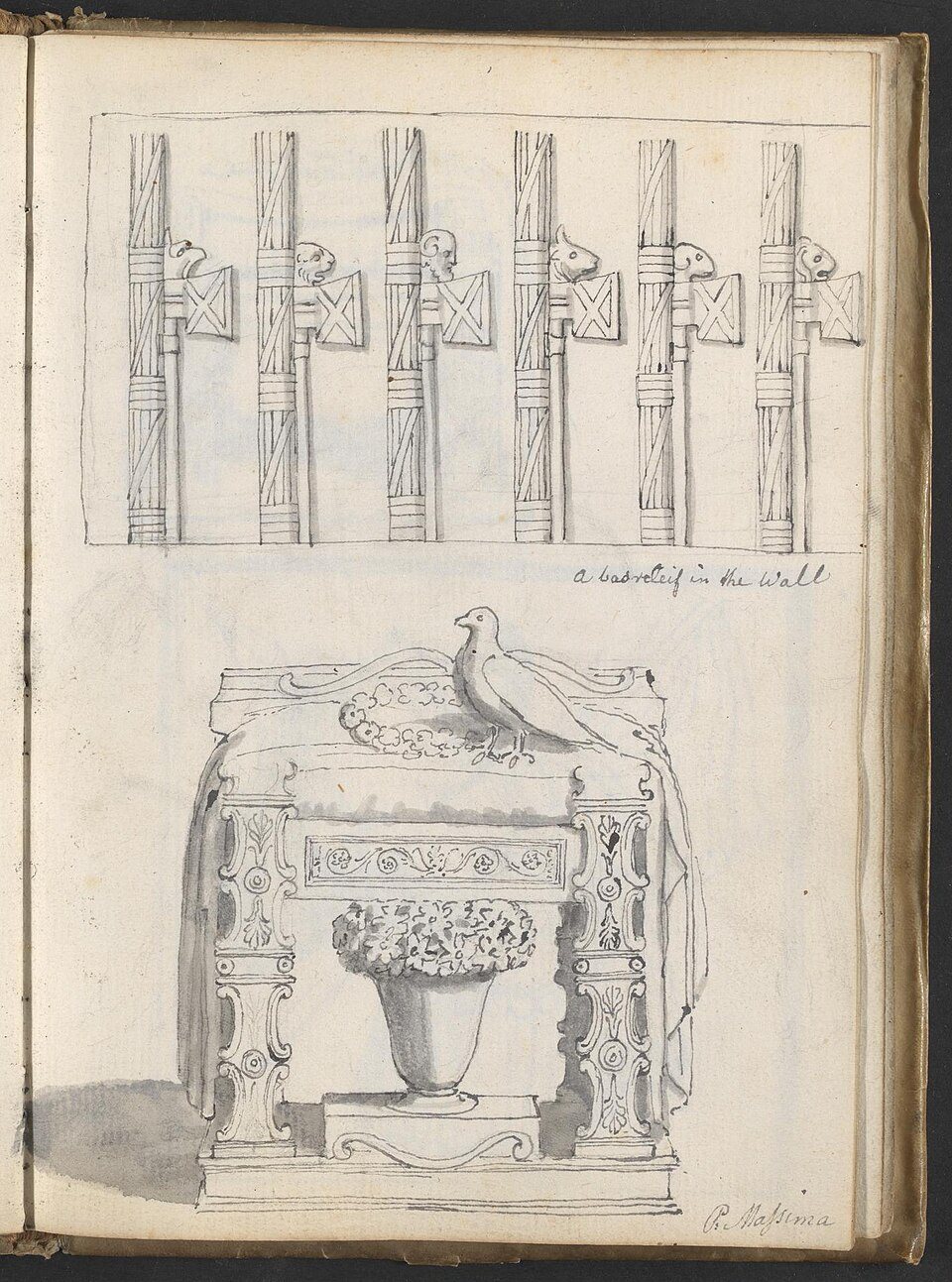
An ultranationalist, authoritarian movement that puts the nation above the individual, rules through one leader and one party, and glorifies violence against its enemies. The word comes from the Italian fascio, “bundle” or “group.” The first use of “fascism” was for the Fascio di combattimento, a group formed in Milan on March 23, 1919, in the historian Robert Paxton’s account.
The United States Holocaust Memorial Museum describes it as a combination of nationalism, militarism, economic self-sufficiency and totalitarianism, set against communism, socialism, pluralism, individual rights, equality and democratic government. Scholars still argue about where the definition ends. Roger Griffin calls it “a palingenetic form of populist ultra-nationalism,” a movement of national rebirth. The competing definitions decide which regimes count: Italy under Mussolini and Germany under Hitler are the central cases, and the rest are disputed.
Who Owns It: Private Owners Under State Direction
Fascist regimes kept private property and directed it toward national goals. The Nazi Party’s 1920 platform sounded anticapitalist: it called for “breaking the slavery of interest,” nationalizing trusts, profit-sharing and land expropriation. In power, the USHMM says, the regime mostly chose to work with business elites.
Economic historians have tested how much freedom firms had. Buchheim and Scherner (2006) found private property in Nazi industry was not merely nominal and that firms had ample scope. Germa Bel (2010) found the Nazis moved public ownership into private hands in the mid-1930s, against the trend elsewhere. Mussolini’s doctrine denied that class war is the main force in society.
Who Rules: One Leader Who Claims to Embody the Nation
The model is a one-party state led by a leader who claims to embody the national will. Mussolini was elected to the Italian Chamber in 1921. Hitler was appointed chancellor on January 30, 1933. Both then dismantled the limits on their power. After the Reichstag fire, an emergency decree on February 28, 1933 suspended speech, press, assembly and personal liberty. The Enabling Act of March 23 let Hitler make laws without parliament. The Night of the Long Knives killed about a hundred people in 1934. When President Hindenburg died that August, Hitler abolished the presidency and named himself Führer. The regime called its takeover of institutions “coordination.”
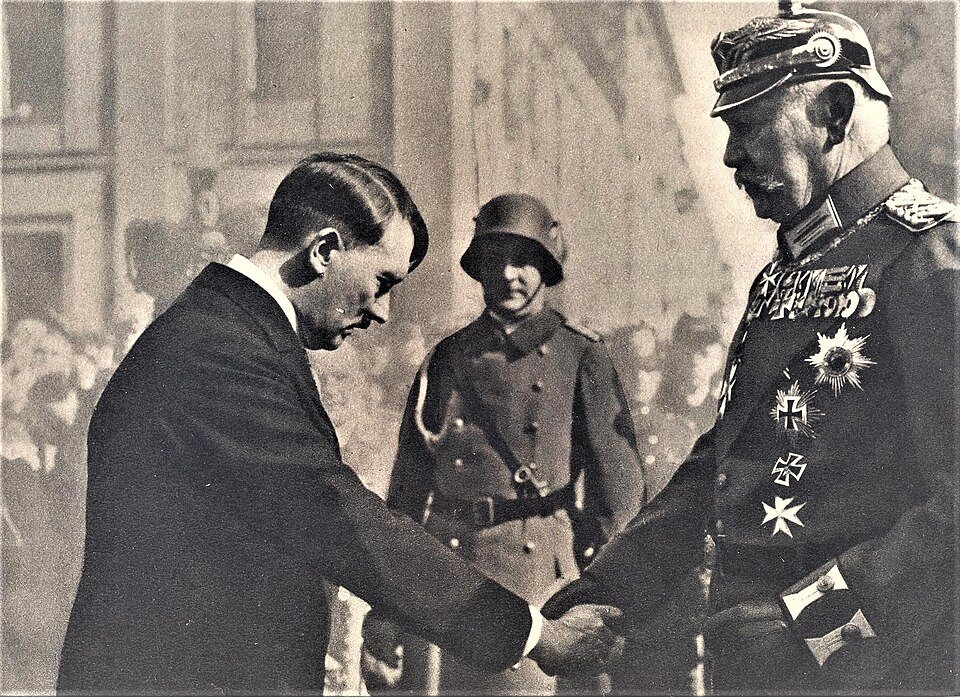
Mussolini’s doctrine said the deciding power on freedom “cannot be the individual, but the State alone.” Paramilitary units, such as the SA and SS in Germany, backed the regime in the street.
What Fascists Believe
The diagnosis is national decline. The USHMM lists a fixation with decline among fascism’s core traits, along with exclusionary nationalism, paramilitarism and what it calls redemptive violence. The causes are internal enemies: communists, liberals, and in the German case Jews, who were blamed for national decline.
The remedy is rebirth through unity and force. Paxton describes the practice as an effort to “unite, purify, and energize” the nation. Mussolini wrote that “war alone brings up to its highest tension all human energy.” The view of human nature is organic: the individual finds meaning as part of the nation, led by a charismatic figure. Stanley Payne’s list of traits adds a cult of violence, male dominance, youth, empire and mass mobilization.
Griffin’s three-part core puts the same beliefs in order: a modernizing program of national rebirth, populist mobilization of ordinary people, and the idea of an organic nation. Payne adds that fascism opposes liberalism and communism fiercely and conservatism less violently. His list also includes symbols and political choreography.
What Fascists Value
In rank order: the nation first; unity under a single will second; strength, discipline and martial virtue third; then hierarchy under a leader. Equality and individual rights rank at the bottom, and the USHMM says fascism opposes both. Mussolini’s doctrine ranks the state above the individual and honors war and sacrifice, and calls pacifism “an act of cowardice in the face of sacrifice.”
What it will trade away is pluralism, free elections, a free press and independent courts, for national unity and renewal. The movements differed on race. Italian Fascism did not focus on antisemitism, according to the USHMM, and Jews could join the Fascist Party until 1938, when racial laws were adopted. Nazism made race its center, with the Nuremberg Laws of 1935.
A Short History of Fascism
Fascism began after the First World War. The Italian movement of 1919 reached power in 1922 after the March on Rome. In Germany the Nazi Party’s 1920 platform combined ultranationalism, extreme antisemitism and attacks on capitalism, and the party’s vote rose from 2.6 percent in 1928 to almost 44 percent in March 1933. Conservatives who thought they could control Hitler brought him in.
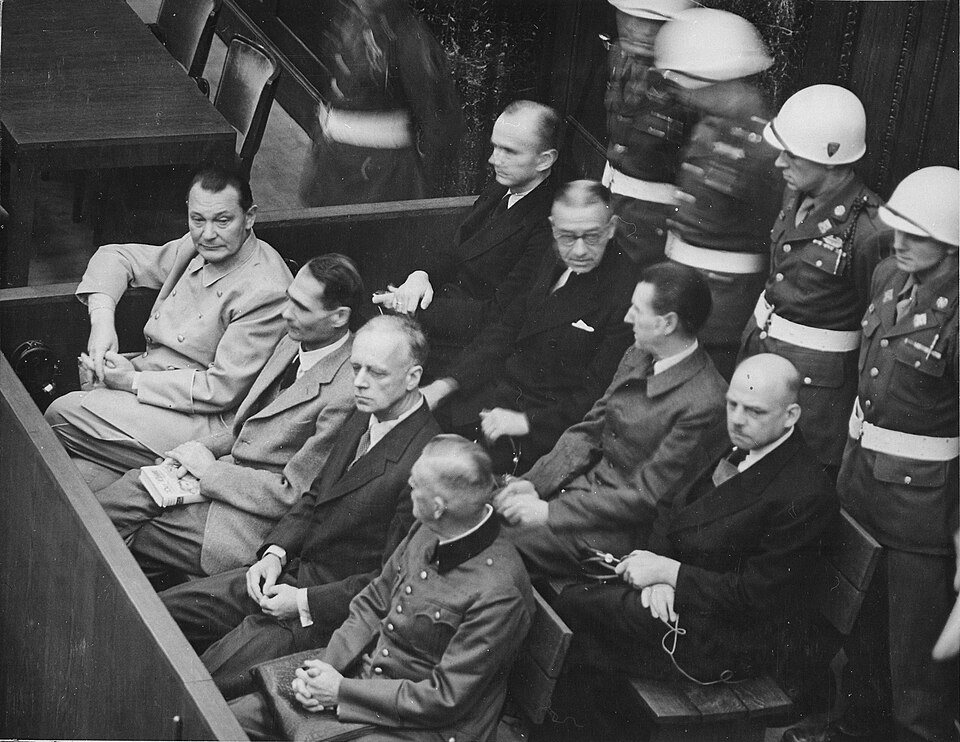
Germany began the Second World War in 1939 and Italy joined it in 1940. Fascist rule ended with the defeat of the Axis in 1945, after the murder of six million Jews and millions of others. Leaders of the Nazi regime were tried at the International Military Tribunal at Nuremberg. Neo-fascist parties later appeared, among them Italy’s Italian Social Movement.
How Fascism Reached Power
In both central cases fascists reached office through a deal, not a victory in arms alone. Mussolini sat in the Italian Chamber from 1921, and the March on Rome of 1922 brought about 30,000 armed men to the capital. In Germany the Nazi vote peaked at 37 percent in July 1932 and slipped to 33 percent in November. Two months later President Hindenburg’s circle, led by Franz von Papen, appointed Hitler chancellor, believing, in the USHMM’s words, that they could control him.
Within eight weeks of January 30, 1933 the decree of February 28 had suspended civil liberties and the Enabling Act of March 23 had ended parliamentary lawmaking. Paxton’s point that fascists came to power by arrangement with existing elites is the basis for separating them from authoritarian regimes that governed through those elites.
The Branches of Fascism
Italian Fascism was the original, and it reached power eleven years before Nazism. National Socialism added a racial doctrine. The Ustasa of Croatia held power from 1941 to 1945 and carried out mass killing under German protection. The Italian Social Republic at Salò was Mussolini’s German-backed rump state after 1943.
Scholars separate these from para-fascist or authoritarian regimes such as Franco’s Spain and Salazar’s Portugal, which ruled through existing elites. After 1945 the heirs were the neo-fascist parties, from Italy’s Italian Social Movement to Greece’s Golden Dawn.
Where It Has Been Tried
Italy (1922 to 1943) is the first case: a dictatorship that lasted two decades and ended in defeat and German occupation. Germany (1933 to 1945) is the central one, ending in the Holocaust and the destruction of the state. Croatia’s Ustasa (1941 to 1945) is a third. Spain, Portugal, Vichy France and Horthy’s Hungary are usually classed as authoritarian rather than fascist, a line scholars draw differently.
Whether Japan between the wars counts is also disputed: two historians in 1979 urged dropping the label. Outside Europe, imitators appeared in Brazil, South Africa and China, but fascists reached power only by arrangement with existing elites, and elsewhere the imitations stayed on the margins.
The Case for It and the Case Against It
Its defenders made their case in Mussolini’s own terms: that class war is not the main force in society, that democratic ideology had failed, and that a state above class and party could unify the nation. His doctrine set it out. His doctrine rejected pacifism and class war, and said the state leaves the individual “a sufficient margin of liberty” while depriving him of “all useless and possibly harmful freedom.”
The objections come from the record: no peaceful way to remove the leader, suspended liberties, and the murder of political opponents and minorities. The Communist International’s 1935 verdict, from Georgi Dimitrov, called fascism in power “the open terrorist dictatorship of the most reactionary, most chauvinistic and most imperialist elements of finance capital.” Paxton’s review adds that fascists reached power “only by arrangement” with those already holding it, a point the left’s definition and its critics both address.
What Fascism Is Not
“Fascism is a left-wing movement because the Nazis were National Socialists.”
The Nazi platform of 1920 did attack capitalism, but historians report that once in power the regime mostly worked with business elites. Economic historians found private property in Nazi industry was real, and the regime moved public assets into private hands in the mid-1930s. Both fascism and Nazism also opposed socialism and the labor movement.
It is not the same as ordinary conservatism or authoritarianism. Paxton and Payne separate fascism from regimes like Franco’s, Salazar’s, Pétain’s and Horthy’s, which preferred passive citizens and governed through existing elites. Fascism mobilized masses, and passed through stages from movement to regime.
It is not socialism, though the Nazis called themselves National Socialists. The Nazi regime worked with business elites, per the USHMM, and the Communist International’s 1935 speech said the name has “nothing in common with socialism.” And “fascist” is used as a general insult more widely than scholars use it. The argument over the label for current politicians is the best-known example of the dispute.
Fascism Today
Fascism as a ruling system ended with the defeat of the Axis in 1945. Its descendants are parties. Italy’s Italian Social Movement won 8.7 percent in 1972. In Greece the Golden Dawn party was ruled a criminal organization, with the convictions confirmed on appeal in March 2026. In Germany, the courts have declined to ban the NPD but cut its funding.
Historians and political scientists continue to argue about which present-day movements fit. Jason Stanley of Yale says the term applies to some. Paxton applied it after January 6, 2021; Payne, Berman and Griffin did not. The record of the two regimes is the reference both sides use.