What Authoritarianism Is
A government in which power sits with a single leader or a small elite, with no established way to transfer executive power and few civil liberties or political rights. Britannica defines it as the blind submission to authority and the repression of individual freedom of thought and action. Its regimes have no established mechanism for the transfer of executive power and do not afford citizens civil liberties or political rights (the definition).
The word is often used for any government that is not democratic, but Britannica says studies show great variation in authoritarian rule. The varieties it sorts out are totalitarian and fascist regimes, personalistic dictatorships, military juntas, single-party regimes and monarchies, plus a newer hybrid, authoritarian populism.
Who Rules: One Leader or a Small Elite
Power is concentrated in the hands of a single leader or a small elite, whose decisions are taken, Britannica says, without regard for the will of the people. In a personalistic dictatorship the leader exercises nearly absolute power, the judiciary takes direct orders from the dictator and the legislature is a rubber stamp (the personalist dictator). In a single-party regime a hegemonic party rules, and many elites must work together to form policy (the party state).
Military juntas, Britannica says, are normally transient, because armies prefer to return to the barracks (the juntas). Monarchies in the Middle East work like single-party regimes, with a ruling family taking part in consultation (the monarchical type).
Who Owns It: Whatever Keeps the Rulers in Power
Authoritarianism does not prescribe an economy. Britannica finds single-party systems tend to outperform personalistic and military systems on growth and development, because consensus policymaking keeps policy from being erratic or dependent on a dictator’s whims. Personalistic regimes, in contrast, are plagued by corruption and kleptocracy, and in some cases, as with Mobutu, the dictator stole billions from the state.
Oil and other natural resources can substitute for taxation. Britannica says rents, revenue that goes directly to a government without stimulating productivity or collecting taxes, let many oil-rich regimes pay off elites and the public to keep them apolitical (the rentier state).
The Claim to Rule
The claims vary by type. Totalitarian regimes, Britannica says, rest on a guiding ideology and a leader to whom citizens owe undying loyalty. Military regimes cite civilian incompetence and corruption as reasons to take power. Authoritarian populists claim a democratic mandate: Britannica says they use anti-elitist, nativist rhetoric to win support and then use that mandate as a pretext to undermine democratic institutions (authoritarian populism).
Britannica traces the revival of such claims to the aftermath of the 2007 to 2008 financial crisis, when a backlash against globalization-induced economic and social dislocation made unemployment, inflation and debt a ground for authoritarian appeals.
What It Promises and What It Asks
It promises order, stability and, in some versions, growth. Britannica notes that monarchies and single-party regimes have been among the most durable forms of rule, and that during the Arab Spring the republics of Libya, Yemen and Egypt were overturned while the monarchies faced protests but never wavered.
It asks for silence on sensitive topics. Britannica says most authoritarian regimes have a constitution but do not allow many freedoms, civil society is regulated rather than banned, and the press faces limits on how critical it may be, with imprisonment, harassment, threats or fines for those who cross them (how control works). Freedom House rates China 9 out of 100, Russia 12 and Venezuela 13 (the scores).
A Short History of Authoritarianism
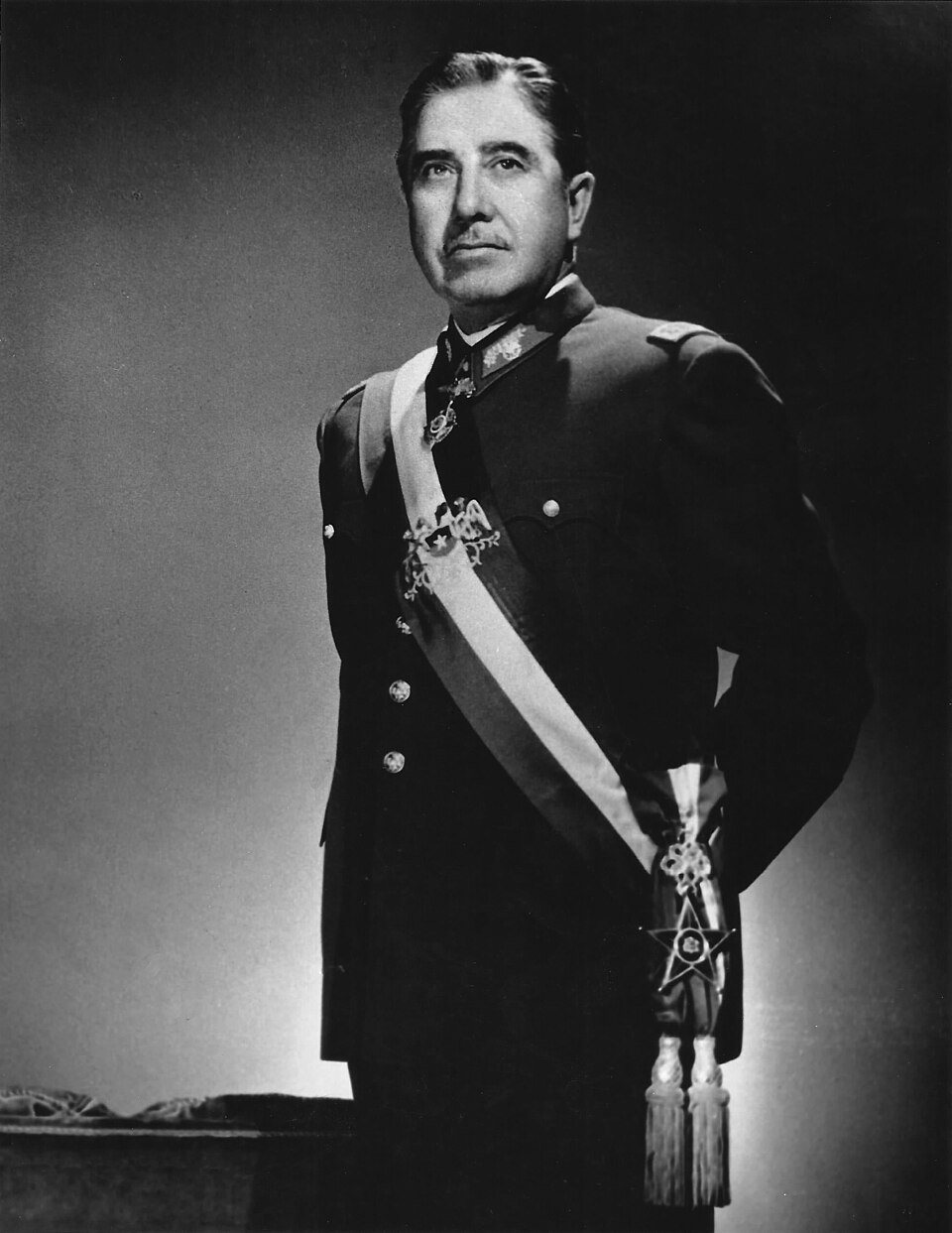
Britannica says the most notable authoritarian regimes of the 20th century had a charismatic leader, a mass party and a powerful secret police (the totalitarian and fascist regimes). In Latin America, military juntas ran Argentina, Chile, Brazil and Uruguay in the second half of the century. Chile’s Augusto Pinochet seized power on September 11, 1973 and ruled for 17 years, during which thousands disappeared or were killed.
The Cold War ended much of it. The economic failures of communist regimes in eastern Europe and the Soviet Union’s inability to prop them up led to their collapse in 1989 to 1991, and many other authoritarian regimes fell as superpower support ended (decline and resurgence). Political scientists briefly thought authoritarianism might become obsolete, but within a few decades Britannica says that assessment looked misguided: after the 2007 to 2008 crisis authoritarian regimes became more assertive and many democracies began to revert to authoritarian practices.
The Forms of Authoritarian Rule
Britannica’s types: totalitarian regimes that try to control every part of life; fascist regimes, which mobilize the public under a mass party but enforce a rigid social hierarchy and control society less fully; personalistic dictatorships; military juntas; single-party regimes; monarchies; and authoritarian populism.
A further category sits in between. Steven Levitsky and Lucan Way described “competitive authoritarianism” in 2002: regimes neither fully democratic nor fully authoritarian, with meaningful democratic institutions but significant authoritarian tendencies (the hybrid case).
Where It Rules and Where It Ruled
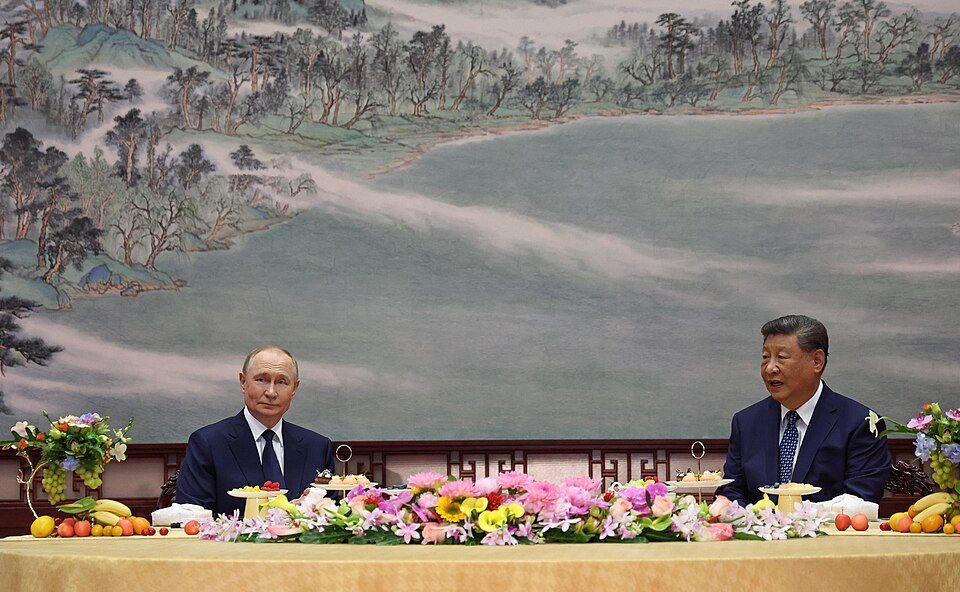
Britannica’s examples include the Chinese Communist Party, the Vietnamese Communist Party and Singapore’s People’s Action Party as single-party rulers; Mobutu’s Zaire and Idi Amin’s Uganda as personalist; Argentina, Chile, Brazil and Uruguay as juntas; and Vladimir Putin’s Russia as a personalistic dictatorship (Russia). Freedom House’s 2026 scores place China at 9, Russia at 12, Venezuela at 13 and Turkey at 32, all Not Free.
Authoritarian rule is also gaining ground. Freedom House reports that global freedom declined for the 20th consecutive year in 2025, with 54 countries worsening and 35 improving (the global count). The EIU’s 2025 index counts 61 authoritarian regimes among 167 countries, holding 39.2 percent of the world’s population (the EIU count).
The Case for It and the Case Against It
“Authoritarian regimes do not hold elections.”
Britannica says almost all authoritarian regimes today hold elections, but the playing field is not level and there is little doubt who will win. Fewer stage 99 percent victories; more allow the opposition some false hope, as in Venezuela’s 2018 vote.
Defenders argue authoritarian rule delivers order and decisive policy. Britannica reports that single-party systems have performed better on growth than personalistic or military ones and that monarchies and single-party rule are durable. Military rulers argue they defend the state against civilian incompetence and corruption, and Britannica says support for military rule often comes from the middle and upper classes in unequal countries.
Critics point to repression, corruption and risk. Britannica says personalist rulers who lack a solid group of advisers take high-risk decisions, citing Putin’s invasions of Ukraine in 2014 and 2022, and says personalist states are plagued by kleptocracy. Totalitarian cases were far worse: Pol Pot’s regime killed up to 30 percent of Cambodia’s population and Stalin’s famine in Ukraine killed some 4 million people.
What Authoritarianism Is Not
“All non-democracies are the same.”
Britannica says studies have shown a great deal of variation in authoritarian rule, from personalistic dictatorships and military juntas to single-party regimes, monarchies and hybrid competitive authoritarianism.
It is not the same as totalitarianism. Britannica reserves that word for regimes that use state institutions to brainwash and completely control their populations, and says there are very few contemporary cases. It is not the same as democracy with strong leaders: authoritarian populists are elected but then refuse to leave office, at which point, Britannica says, they are bona fide autocrats.
It is not the same as dictatorship, which names only one form: Britannica treats personalistic dictatorship as one type among several.
Authoritarianism Today
In Freedom House’s 2026 edition China scores 9 out of 100, Russia 12, Venezuela 13 and Turkey 32. China’s party leader Xi Jinping took a third term in 2022, a sharp break from the post-Cultural Revolution two-term limit. Russia’s 2020 amendments allowed Putin to run for two more terms, potentially to 2036, and in March 2024 he was credited with 87.3 percent of the vote. Turkey’s Erdoğan has become increasingly authoritarian over a decade, Freedom House says, while Venezuela has had no term limits on its president.
Elections remain the main mask. Britannica says almost all authoritarian regimes hold them, with a token opposition that is imprisoned, harassed, co-opted or divided (elections without choice). The numbers tilt the same way globally. The EIU finds 61 authoritarian regimes among 167 countries,, and Britannica says authoritarian populism has been one of the biggest drivers of autocratization, including in consolidated democracies. It adds that populist authoritarian rule tends to emerge where parties no longer make people feel heard and elites appear too removed from society, which is why the pattern has appeared in countries with long democratic histories as well as in new ones.